
The United States Air Force (USAF) stands unmatched in its ability to project airpower globally. A combination of advanced technology, strategic funding, and a robust infrastructure allows the USAF to maintain its superiority. This article explores the fundamental factors behind the USAF’s dominance, focusing on elements beyond the aircraft themselves.
Financial Backbone and Strategic Funding
Central to the USAF’s capability is its substantial funding. The projected budget for the USAF in fiscal year 2026 is approximately $210 billion, reflecting a commitment to developing and maintaining cutting-edge military capabilities. Unlike many European nations that capitalized on the “peace dividend” after the Cold War, the United States experienced a more moderate reduction in defense spending. While there were significant cuts during the 1990s, including reductions in F-22 and B-2 programs, the USAF’s budget stabilized and increased following the events of September 11, 2001.
The consolidation of defense contractors during this period also played a crucial role. Major mergers created what is known as the “Big Five” in military contracting. The USAF faced a decrease in defense spending from over 5% of GDP to around 3.5%, but this funding remained more stable than in several post-Soviet states, where military capabilities drastically diminished due to budgetary constraints.
A Global Network of Bases
Another pillar of the USAF’s power is its extensive network of foreign airbases. This global presence enables the USAF to project power effectively in various regions. The United States maintains strategic alliances with numerous countries that provide essential infrastructure for military operations. Bases in the Azores, Iceland, the UK, Germany, and Spain are vital for refueling and staging operations in the Middle East.
In the Pacific, partnerships with nations such as South Korea, Japan, and Australia further enhance operational flexibility. Without these foreign bases, the USAF would struggle to respond to international crises swiftly. The sheer number of bases at its disposal far exceeds those available to other air forces, allowing the USAF to pivot between theaters with unmatched agility.
Critical Air Refueling Capability
The USAF’s dominance in aerial refueling is another significant factor in its operational prowess. Estimates suggest that the USAF controls around 75% of the world’s aerial tankers, which are essential for extending the range of combat aircraft. This capability allows the USAF to deploy forces rapidly and sustain long-range operations. For instance, when Argentina acquired ex-Danish F-16s, it relied on the USAF for in-flight refueling over the Atlantic.
Without this extensive refueling capability, fighter jets would be limited in range and effectiveness, forcing them to rely on longer, less efficient routes for resupply. The ability to refuel in mid-air is critical for maintaining operational tempo and flexibility, especially in combat scenarios where time is of the essence.
Interdependence with the Navy
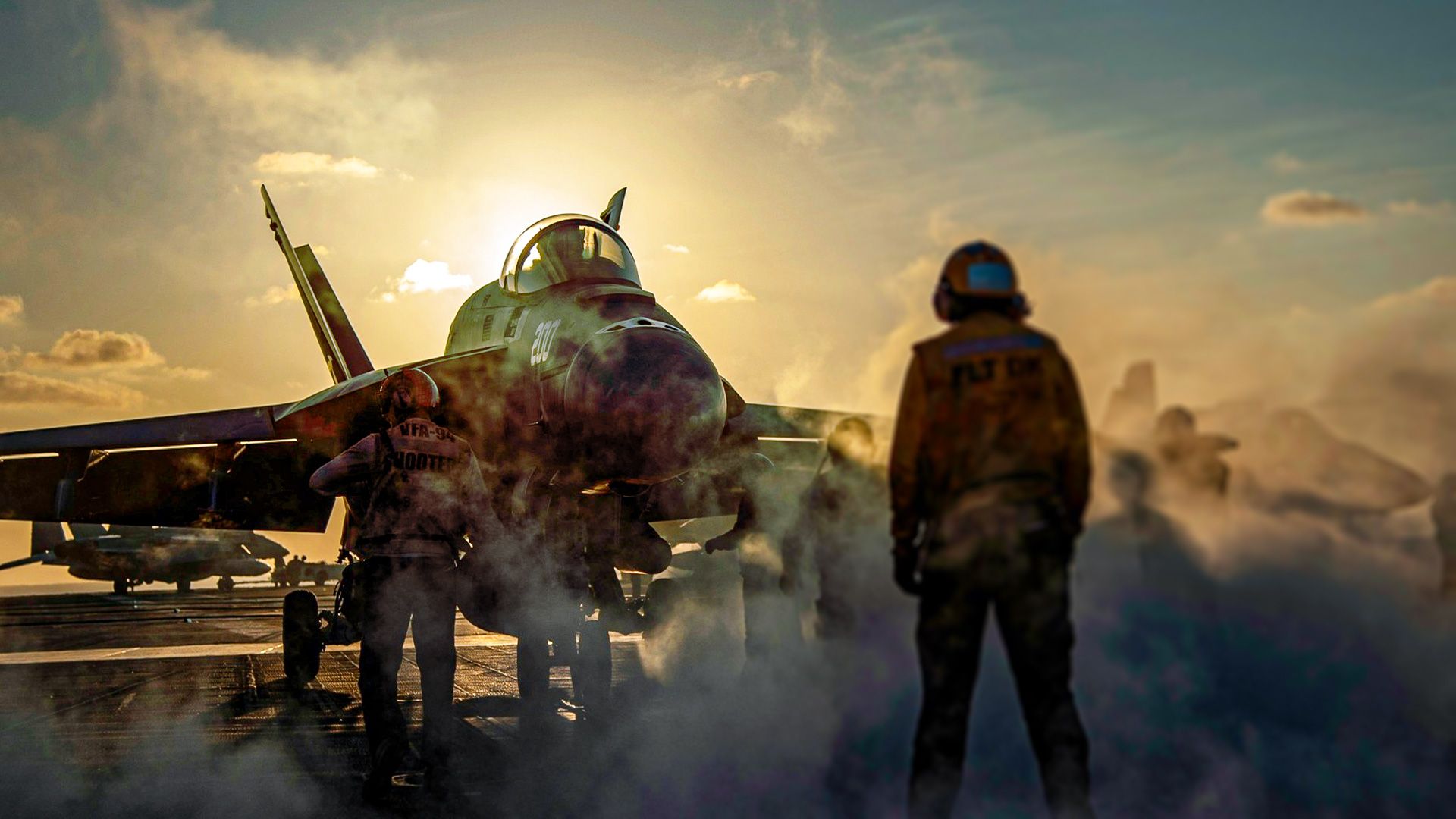
The United States Navy plays a crucial role in supporting the Air Force’s operational capabilities. As the most powerful navy globally, it provides essential logistics and security for the USAF. The Navy is responsible for transporting a significant portion of the Air Force’s supplies, including fuel, munitions, and spare parts. This logistical support is vital for sustaining operations in distant theaters.
Moreover, the Navy’s presence enables the Air Force to operate from more advanced positions. Naval vessels, such as Aegis destroyers, offer protective measures for forward bases, ensuring the safety of critical air operations. The synergy between the Navy and the USAF enhances the effectiveness of both branches in achieving their strategic objectives.
Advanced Training and Technological Integration
Training is a cornerstone of the USAF’s operational success. The military is often described as a logistics organization that fights, emphasizing the importance of preparation and practice. The USAF invests heavily in training and exercises, ensuring that personnel are well-prepared for real-world scenarios. This commitment to training is reflected in the number of trainer jets, with approximately 1,000 aircraft dedicated to instruction.
Additionally, a wide array of special mission aircraft complements the USAF’s capabilities. These include the E-3 Sentry AWACS, electronic warfare platforms, and reconnaissance aircraft. Such integration allows the USAF to gather intelligence, conduct surveillance, and execute missions more effectively than any other air force worldwide.
The USAF’s technological advantages stem from a robust industrial base. With access to Silicon Valley’s innovations, the USAF leverages cutting-edge technology to enhance its capabilities. This tech-savvy infrastructure supports the development of advanced aircraft and systems, ensuring that the USAF remains at the forefront of military aviation.
In conclusion, the strength of the US Air Force derives from a combination of strategic funding, a global network of bases, unparalleled aerial refueling capabilities, interdependence with the Navy, and a focus on rigorous training. These elements collectively contribute to the USAF’s unique position in global military aviation, making it a formidable force capable of responding to a wide range of challenges.