
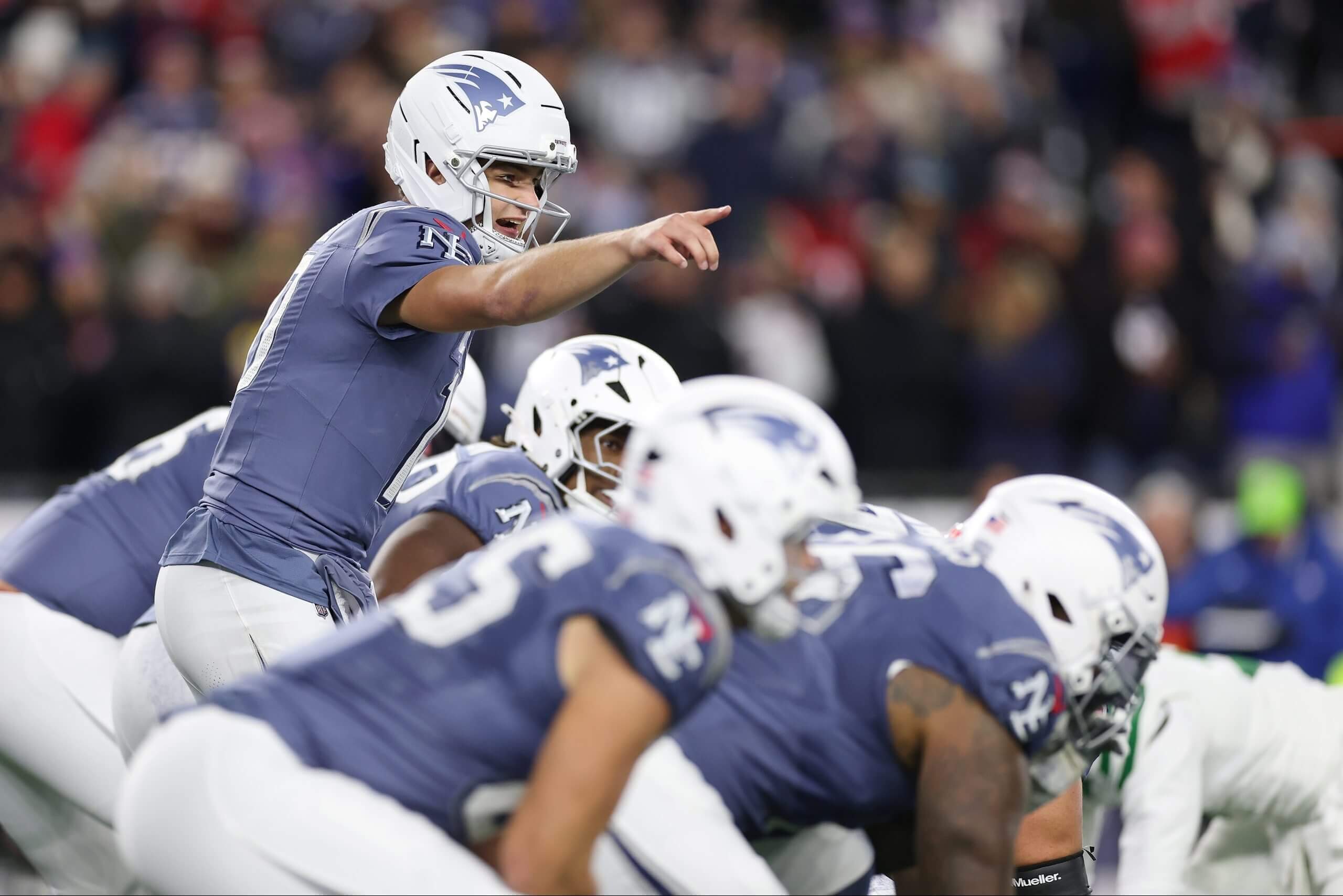
Football is often perceived as a straightforward game where the team that scores the most points wins. However, the dynamics of the sport are far more intricate. Understanding the various player positions within the National Football League (NFL) is key to appreciating how the game unfolds. These positions are categorized into three primary groups: offense, defense, and special teams, each with distinct roles and responsibilities.
Offensive Roles: Key Players in Scoring
The offensive unit is primarily tasked with advancing the ball and scoring points. Among the most critical positions on offense is the quarterback. This player receives the ball from the center and has several options: handing it off to a running back, throwing it to a wide receiver, or running the ball themselves. The quarterback’s decision-making is crucial, as it directly influences the team’s ability to score.
In contrast, the offensive linemen play a pivotal yet different role. Their primary responsibility is to protect the quarterback and create lanes for running backs. While they do not handle the ball, their efforts are essential in ensuring that the offense functions smoothly. The teamwork between these positions highlights how the same group can contain players with opposing objectives.
Defensive Strategies: Stopping the Opposition
On the other side of the field, the defensive unit’s aim is to prevent the opposing team from scoring. Key positions include linebackers and cornerbacks, who execute various strategies to disrupt offensive plays. Linebackers often serve as the first line of defense against runs and passes, while cornerbacks are tasked with covering wide receivers to minimize their chances of catching the ball.
Defensive players must be agile and quick-thinking, as they are constantly reacting to the offense’s movements. Their ability to read the game and anticipate plays can be the difference between a successful stop and a score against their team.
Special Teams: The Unsung Heroes
In addition to offense and defense, special teams play a vital role, particularly in field position and scoring opportunities during kickoffs and field goals. This unit includes kickers, punters, and return specialists. Kickers are responsible for field goals and extra points, while punters aim to pin the opposing team deep in their territory. Return specialists are tasked with maximizing the yardage gained from kickoffs and punts.
Although often overlooked, the effectiveness of special teams can significantly impact a game’s outcome. For instance, a well-executed kickoff return can shift momentum and put the offense in a favorable position.
Understanding these diverse roles within the NFL enhances appreciation for the sport. Each position, whether on offense, defense, or special teams, contributes uniquely to the game’s overall strategy and excitement. As fans watch their teams compete, recognizing the intricate dynamics of player positions can deepen their engagement with the sport.