
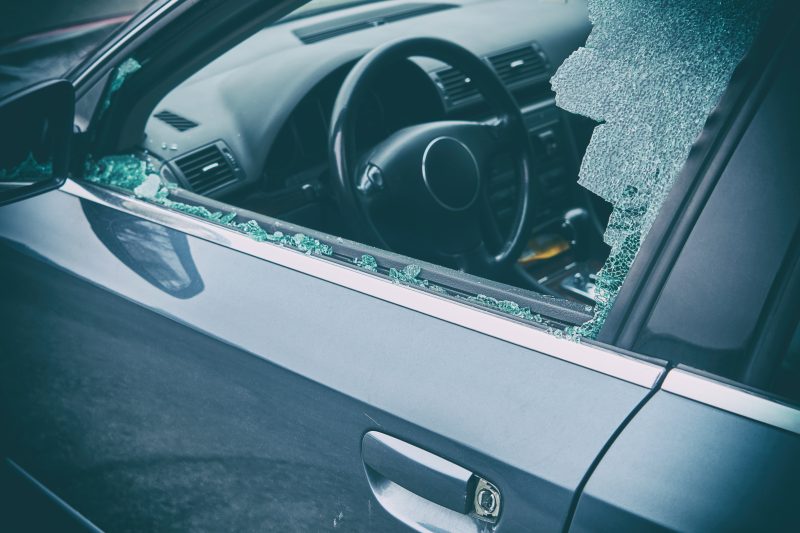
Finding a broken car window can be distressing, whether due to an accident, vandalism, or severe weather. Fortunately, the process of replacing a car window is generally straightforward and cost-effective. This article explores the materials used in car windows, various repair options, insurance considerations, and an overview of replacement costs as projected for 2025.
Materials Used in Car Windows
Car windows are primarily made from two types of glass: tempered glass and laminated glass. Tempered glass is commonly used for side and rear windows. It undergoes a heating and cooling process, making it significantly stronger than regular glass. When shattered, tempered glass crumbles into small, blunt pieces, reducing the risk of injury.
Laminated glass, on the other hand, is typically utilized in windshields. It consists of two layers of glass with a plastic layer sandwiched between them. This design not only enhances safety by preventing shattering but also provides sound insulation. Understanding these materials is crucial for car owners when evaluating repair options.
Cost of Replacement in 2025
As of 2025, the cost of replacing a car window varies widely based on several factors, including the type of glass, make and model of the vehicle, and labor costs. According to a report by iSeeCars, the average cost to replace a car window ranges from approximately USD 200 to USD 1,000. For instance, replacing a side window may cost around USD 250, while a windshield replacement can be closer to USD 400.
In urban areas, labor charges can be higher due to increased demand and higher living costs. Customers should also consider additional costs that may arise, such as those related to calibration if the vehicle is equipped with advanced driver-assistance systems.
Repair Options and Insurance Considerations
When faced with a broken window, car owners can choose between several repair options. Many opt for professional services, which can provide quick and efficient replacements. Mobile repair services have become increasingly popular, allowing technicians to come to the owner’s location for added convenience.
Insurance coverage plays a significant role in managing replacement costs. Many comprehensive auto insurance policies cover glass damage, often with low or no deductible. It is advisable for car owners to review their insurance policies to understand the extent of their coverage and any potential out-of-pocket expenses.
In some cases, drivers may find that their insurance company has partnerships with specific repair shops, potentially leading to discounts or expedited service. Always check with the insurance provider before proceeding with repairs to maximize benefits.
Conclusion
Replacing a car window in 2025 remains a manageable task for most vehicle owners. With costs that can vary significantly, understanding the materials involved, available repair options, and insurance implications can help individuals make informed decisions. By being proactive and knowledgeable about these factors, car owners can ensure a smooth and efficient window replacement process.