
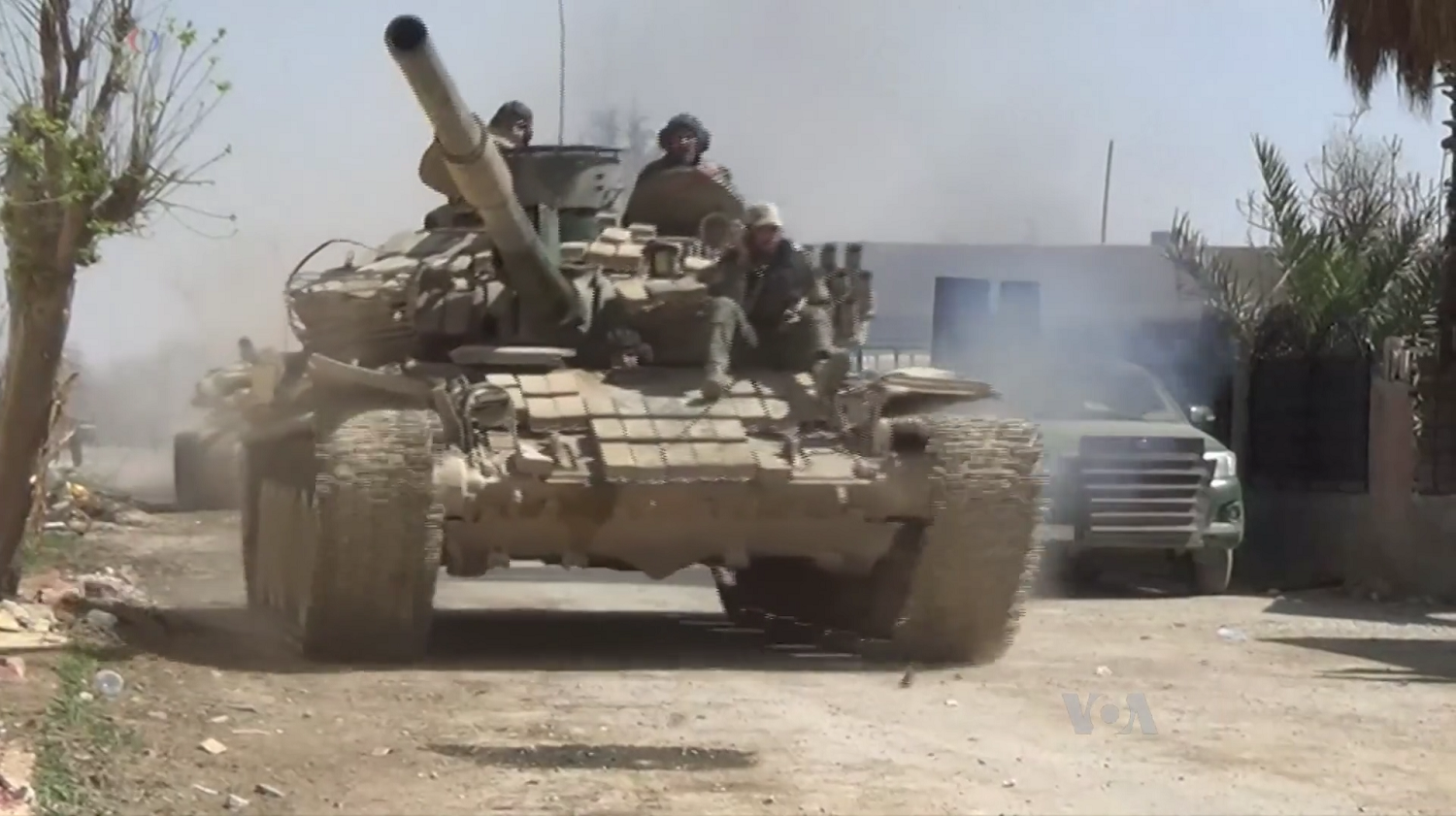
URGENT UPDATE: The United Nations has raised alarms over escalating violence in northeast Syria, with clashes reigniting between Syrian government troops and the Kurdish-led Syrian Democratic Forces (SDF). This unrest, which erupted despite a ceasefire established on January 8, 2025, has reportedly led to the escape of detained Islamic State of Iraq and the Levant (ISIL) militants, raising serious security concerns.
The UN’s Secretary-General Antonio Guterres has called for immediate dialogue and cooperation to uphold ceasefire agreements and ensure civilian safety. Local reports indicate that violence has surged in the Sheikh Maqsoud and Ashrafieh neighborhoods of Aleppo, with clashes extending to other cities. The situation has become increasingly precarious since a deadline for implementing a critical agreement expired in mid-March.
In a devastating turn, the recent clashes have resulted in at least four civilian deaths and injuries to 27 individuals, with the violence lasting five days before a temporary ceasefire was established. The ongoing conflict threatens local infrastructure and heightens fears of more jailbreaks due to weakened control over detention facilities.
Compounding the crisis, the SDF announced its withdrawal from the al-Hawl detention camp on January 20, 2025, a facility housing thousands of foreign women and children linked to ISIL. This decision was prompted by the U.S.‘s announcement to cease support for the camp, forcing SDF forces to redeploy amid rising threats in northern Syria. A spokesperson for the SDF stated they were “compelled to withdraw” in response to increasing risks.
The potential fallout from the SDF’s exit has drawn international concern, particularly regarding the chaos that could ensue if ISIL affiliates were to escape. Ravina Shamdasani, UN Human Rights spokesperson, highlighted the necessity of a stringent vetting process to ensure individuals with human rights violations are not integrated into state security forces.
Since the fall of the Assad regime in December 2024, the transitional government under Ahmad al-Sharaa has faced mounting challenges, both politically and economically. Al-Sharaa’s push for a unified national army has met resistance from Kurdish authorities, who demand political representation and local governance safeguards.
With the potential for further violence and instability looming, the international community watches closely. The UN’s warnings signal a critical moment for the future of Syria, as the fragile peace continues to hang in the balance.
As the situation develops, authorities urge immediate attention to the implications for civilian safety and regional stability. Stay tuned for updates as this urgent story unfolds.