
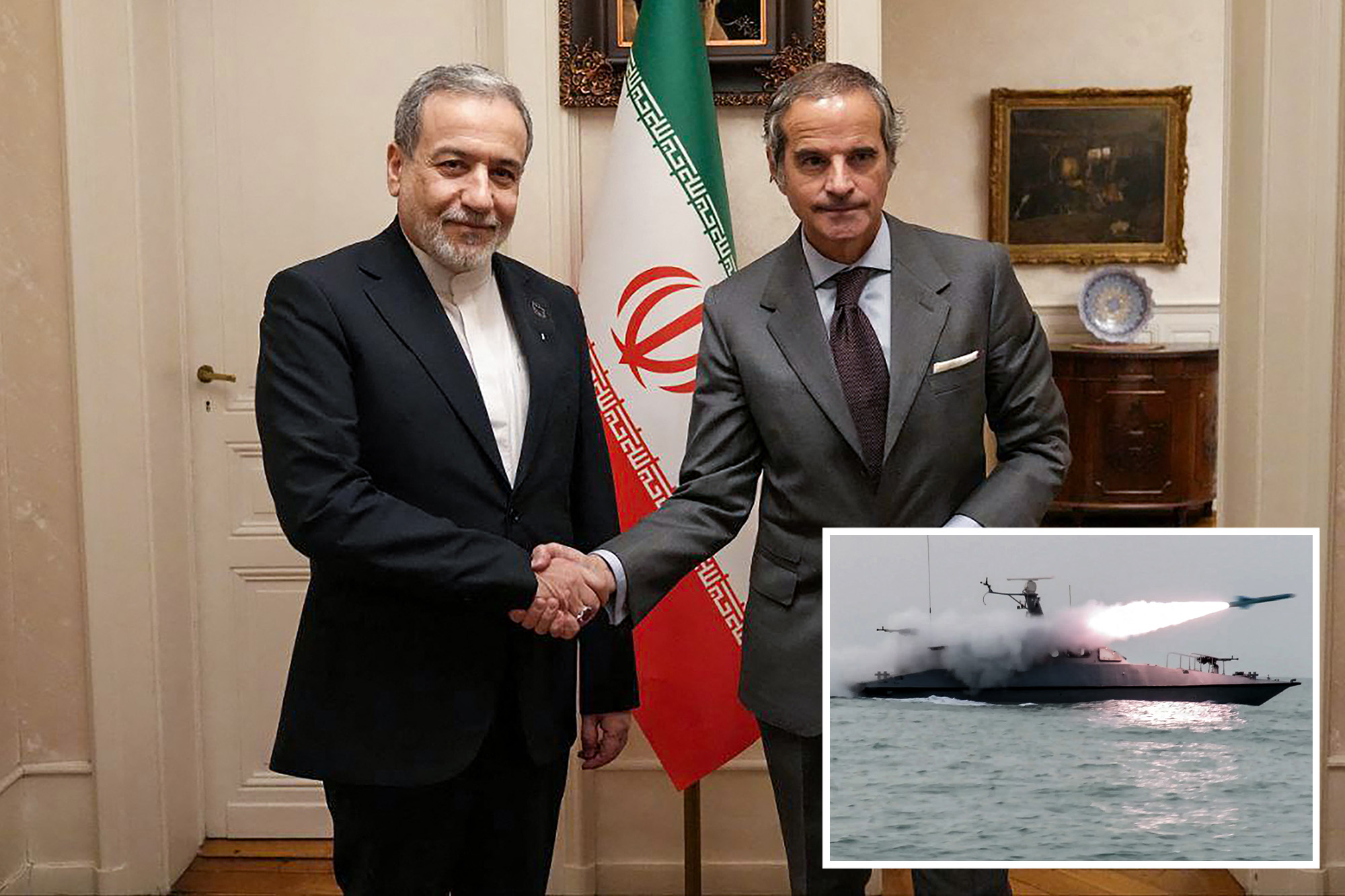
The head of the United Nations atomic watchdog agency, Rafael Grossi, has called on the United States to secure a nuclear deal with Iran, emphasizing the urgency of the situation. Grossi warned that Iran continues to possess enriched materials that require close monitoring, highlighting the potential risks associated with the current state of Iran’s nuclear program.
During talks held in Geneva this week, Grossi reiterated that despite previous airstrikes by the US and Israel targeting Iranian nuclear facilities last year, Tehran still has access to highly enriched uranium. According to US intelligence assessments, Iran’s uranium is currently enriched at 60%, and if it reaches the 90% threshold needed for weapons-grade material, it could take only weeks for Iran to develop an atomic weapon.
“The problem is, we don’t have much time,” Grossi told the French media outlet TF1. He highlighted that most of the materials Iran had accumulated until June 2023 remain intact, despite military actions. “Some of it may be less accessible, but the material is still there. From a non-proliferation standpoint, the material remains,” he added.
The urgency for a diplomatic resolution is underscored by the potential consequences of failing to reach an agreement. Grossi cautioned that a new military conflict in the region could further destabilize the Middle East and complicate efforts to monitor Iran’s nuclear activities. He stressed, “That is why there is so much interest — I would say urgency — in reaching an agreement that would prevent new military action in the region.”
As tensions escalate, former President Donald Trump has stated that he would not tolerate Iran developing nuclear weapons and has issued threats of possible military action. “If it doesn’t happen, it doesn’t happen. But bad things will happen if it doesn’t,” Trump said on Thursday, indicating that an attack could occur within the next week if no deal is reached. His comments come as the US ramps up its military presence in the Middle East, including the deployment of a second aircraft carrier, the USS Gerald R. Ford, to the region.
The ongoing discussions between Washington and Tehran reflect the complexities of navigating nuclear non-proliferation and regional security concerns. The situation remains precarious, and the international community is closely monitoring developments as the deadline for a potential agreement looms.