
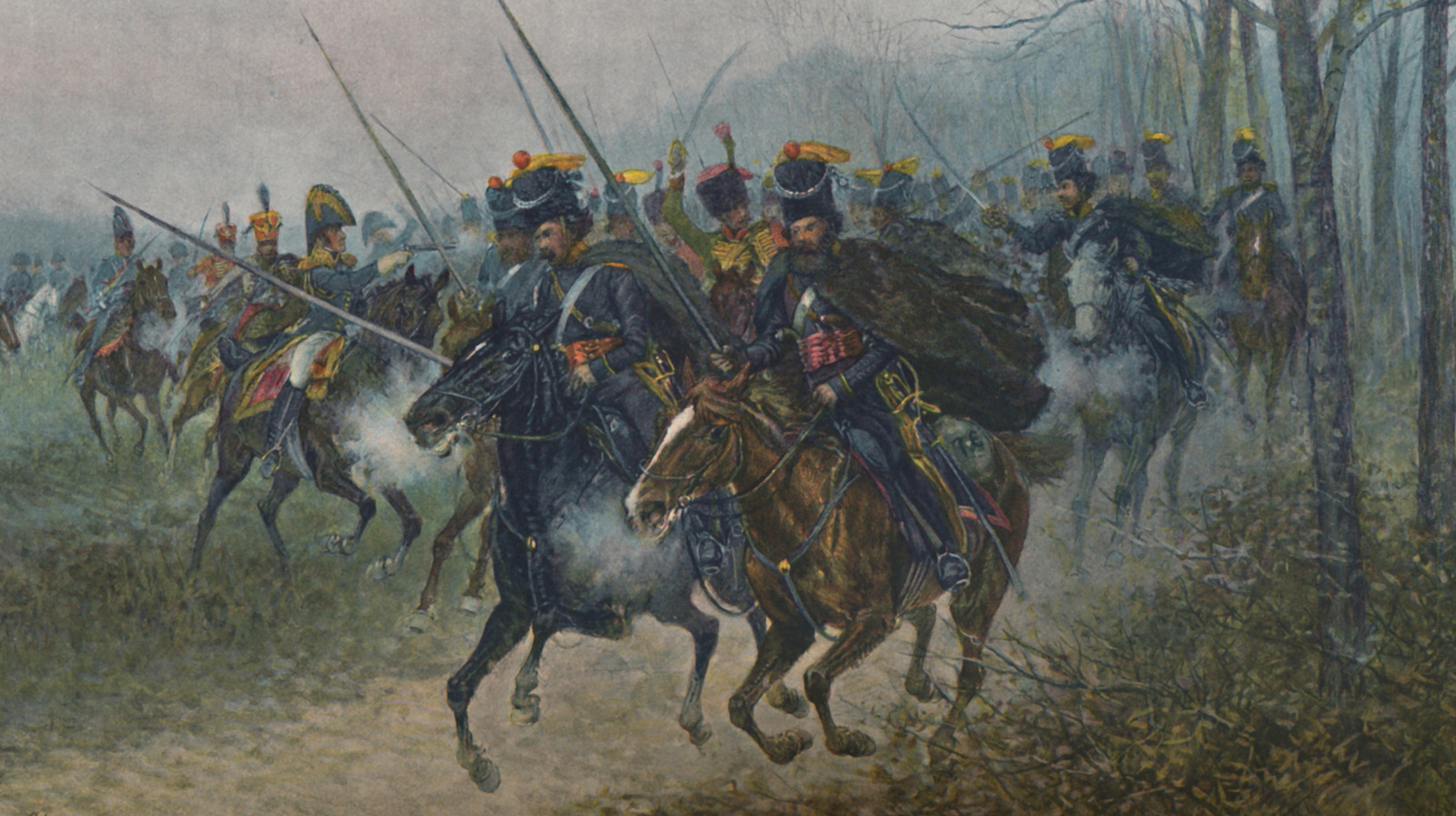
Ukrainian drone operators have developed new tactics to counter the Russian military’s use of horse cavalry as the conflict continues into 2026. This unconventional strategy arises amid a stalled advance by Russian forces, demonstrating their desperation and resourcefulness as they turn to historical means of warfare.
In recent weeks, as large-scale assaults faced significant resistance from NATO-supplied heavy artillery, Russian troops began experimenting with alternative methods of engagement. The use of horses in operations indicates a marked decline in available resources, compelling soldiers to revert to outdated tactics reminiscent of the 19th century. In military terms, these deployments resemble dragoons, blending traditional infantry tactics with mobility provided by vehicles.
The situation highlights a broader issue for the Russian military, which appears to be suffering from a lack of spare parts and equipment, forcing them to utilize horses. This shift underscores significant economic challenges within Russia, as noted by military analysts.
Interestingly, the Russian military has adapted its horses by equipping them with Starlink terminals, facilitating communication despite sanctions against technology transfers from companies like SpaceX. According to the Kyiv Post, soldiers have improvised solutions to connect their horses to satellite communications, although this represents a chaotic approach rather than a cohesive military strategy.
In a notable change of tactics, Ukrainian drone operators have adjusted their methods to minimize harm to the horses. Instead of striking directly at mounted soldiers, they now aim to spook the horses, causing riders to fall off. This allows the drones to focus their fire on dismounted soldiers, showcasing a level of battlefield empathy rarely discussed in warfare.
Russian military expert Samuel Bendett remarked on this tactic, emphasizing that the battlefield innovations are largely the result of individual units adapting to the evolving circumstances rather than directives from higher command in Moscow. The changing tactics reflect a broader trend of experimentation and adaptation between the two sides throughout the conflict.
As drone warfare continues to evolve, both Ukrainian and Russian forces are developing new strategies and counter-strategies. The United States military is also monitoring these developments, seeking to pivot towards smaller, more cost-effective drone platforms in its own operations.
The ongoing conflict serves as a testing ground for drone warfare, illustrating how technology is reshaping traditional combat. As both sides continue to innovate, the introduction of satellite-equipped cavalry may be just one example of the unexpected adaptations emerging from this protracted conflict.
The war demonstrates a complex interplay of technology and tactics, with each side striving to outmaneuver the other in a landscape where traditional models of warfare are increasingly challenged. The presence of horses on the battlefield, while a throwback to earlier eras, signifies the depth of the resource crisis facing Russian forces in 2026.