
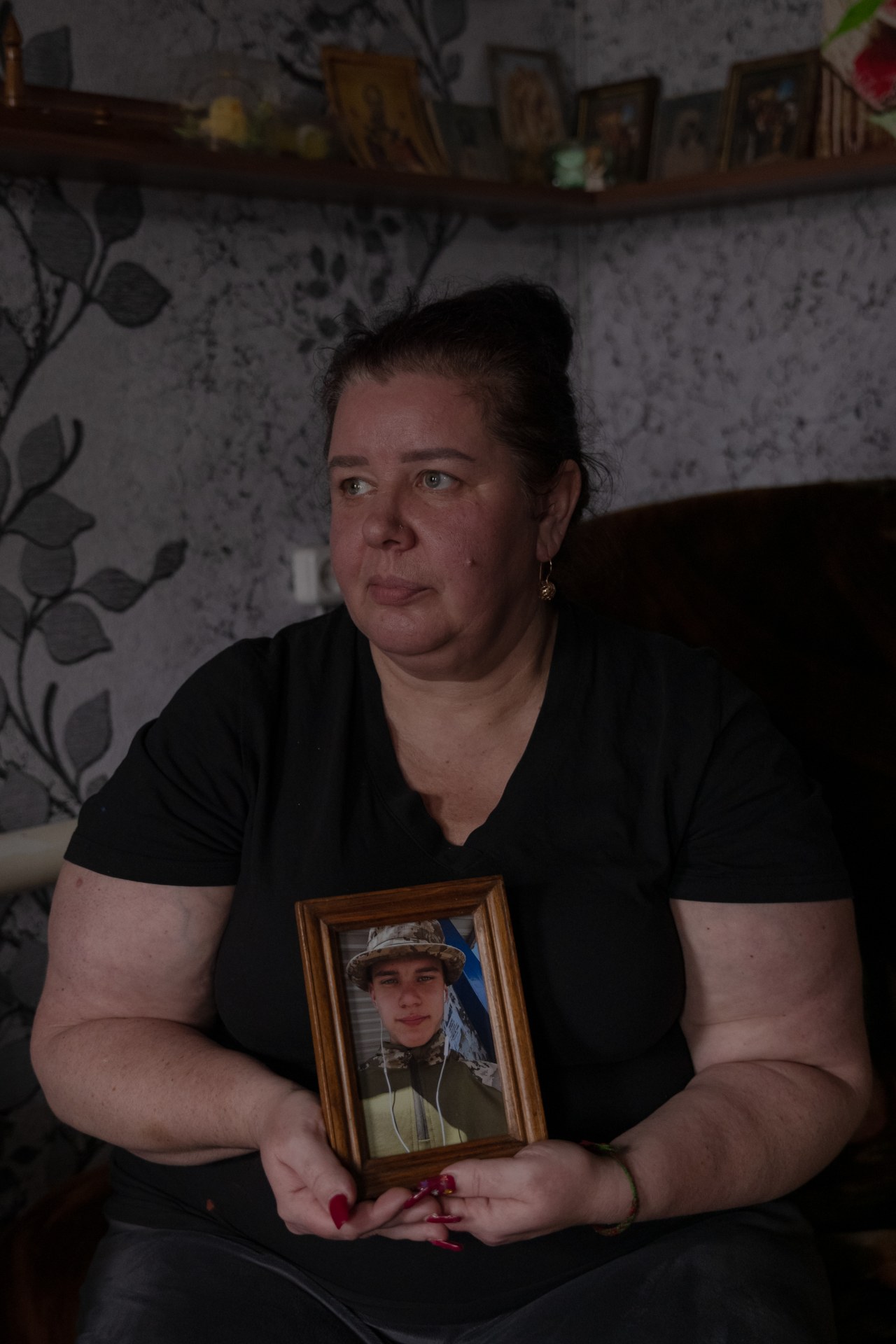
As Ukraine battles a critical shortage of soldiers, the government has made the difficult decision to deploy younger recruits to the front lines. This shift comes as the country enters its third year of conflict with Russia, intensifying amid ongoing military operations in the Donbas region.
In recent weeks, Ukrainian officials have highlighted the challenges posed by dwindling military personnel. The Ukrainian Ministry of Defense reports that troop numbers have significantly decreased due to casualties and prolonged mobilization efforts. As a result, the age of new recruits has been lowered, with individuals as young as 18 being called to serve.
Government Response and Public Reaction
President Volodymyr Zelenskyy has acknowledged the gravity of the situation, emphasizing the need for a robust defense strategy. In a recent address, he stated, “To protect our homeland, we must ensure that our armed forces remain strong and capable.” The government is now focused on accelerating training programs for younger soldiers to prepare them for the rigors of combat.
The decision to involve younger recruits has sparked a range of opinions among the public. Many families express concern for the safety of their children, while others understand the necessity of such measures in light of the ongoing conflict. Activist groups have voiced their apprehensions, urging the government to provide adequate support and resources for these young soldiers.
International Context and Future Implications
The international community continues to monitor the situation in Ukraine closely. As the conflict with Russia escalates, military analysts suggest that Ukraine’s reliance on younger soldiers may have long-term implications for the nation’s future. The focus on youth in military service could influence societal norms and attitudes towards military engagement.
According to a report by the International Crisis Group, the war has already taken a significant toll on Ukraine’s demographic landscape. With increasing numbers of young people entering the military, concerns about the impact on education and workforce availability are emerging.
As Ukraine navigates this challenging landscape, the government’s strategy will likely evolve in response to both internal pressures and external dynamics. The call to arms for younger citizens underscores the urgency of the situation and highlights the profound human impact of the ongoing conflict.
With the conflict expected to continue into the foreseeable future, Ukraine’s military strategies and recruitment practices will remain under scrutiny. The challenge of balancing national defense with the well-being of its youngest citizens is one that the government will have to address as it seeks to safeguard its sovereignty.