
Research from a team at the University of California, Los Angeles (UCLA) has uncovered that certain viral fragments of the COVID-19 virus can specifically target and kill important immune cells. This study, published in the Proceedings of the National Academy of Sciences, reveals that when human immune enzymes break down the spike protein of the SARS-CoV-2 virus, some resulting fragments can create holes in the membranes of immune cells.
The study suggests that these fragments selectively deplete critical populations of immune cells, such as dendritic cells and T cells, which are essential for the body’s defense against infections. Notably, the research indicates that fragments from the omicron variant exhibit significantly reduced activity against these immune cells, providing potential insight into why this variant tends to result in milder symptoms compared to previous strains.
Understanding the Impact of Viral Fragments
The research team, comprising nearly three dozen experts from various fields, including engineers, microbiologists, and immunologists, examined how pieces of the SARS-CoV-2 spike protein interact with immune cells. Their findings indicate that these viral fragments can effectively attack and kill immune cells that are activated by the virus itself.
According to Gerard Wong, a professor of bioengineering at UCLA and co-corresponding author of the study, the fragments target specific shapes on the membranes of cells rather than interacting with receptor proteins as typically expected. This targeting mechanism allows the fragments to exploit the unique membrane characteristics of certain immune cells, leading to their destruction.
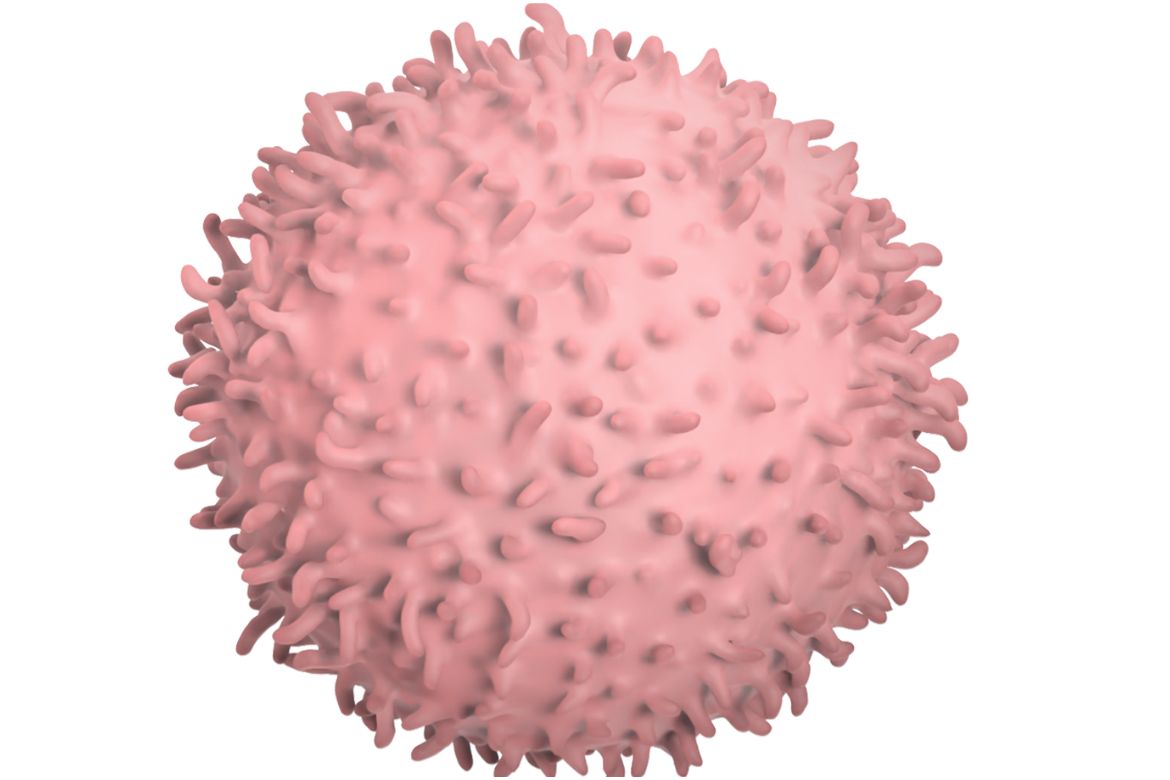
The research highlights that the fragments are particularly drawn to the surfaces of immune cells that display tentacle-like structures. These cells, which are already primed to respond to infections, become victims of the very fragments that should ideally be neutralized by the immune system.
Implications for Severe COVID-19 Cases
The study’s results may help explain the depletion of immune cells observed in patients with severe COVID-19. Wong noted that the specific populations of T cells that are diminished in severe cases are also the same cells targeted by the viral fragments. This loss of immune competency can be quantified, as medical professionals often measure T cell counts to assess the severity of the disease.
The researchers also explored how the omicron variant differs from earlier strains. They discovered that fragments from the omicron spike protein caused significantly less damage to dendritic and T cells than those from previous variants. Yue Zhang, a former UCLA postdoctoral researcher and co-author of the study, remarked on the paradox of omicron’s rapid replication rate coupled with its reduced severity. This discovery suggests that the immune system may remain more intact in patients infected with omicron.
Diverse Fragments and Future Research Directions
The findings indicate that a variety of viral protein fragments rather than a singular fragment are responsible for the immune cell targeting effect. This complexity may shed light on why some individuals experience severe COVID-19 symptoms, particularly those with preexisting inflammatory conditions.
Wong expressed the need for further investigation into how these viral fragments affect human health, including long-term consequences such as long-haul COVID and potential damage to other systems, including cardiovascular health. The research team intends to explore these avenues, emphasizing the importance of understanding not only how the virus infects and replicates but also the effects of residual viral material on the body.
The study received funding from various organizations, including the National Science Foundation and the National Institutes of Health, and involved collaboration with researchers from institutions across the globe, including universities and medical centers in China, Germany, India, and Italy.
As researchers continue to investigate the implications of these findings, they hope to inform new strategies for addressing the most serious effects of COVID-19 and ultimately improving patient outcomes.