
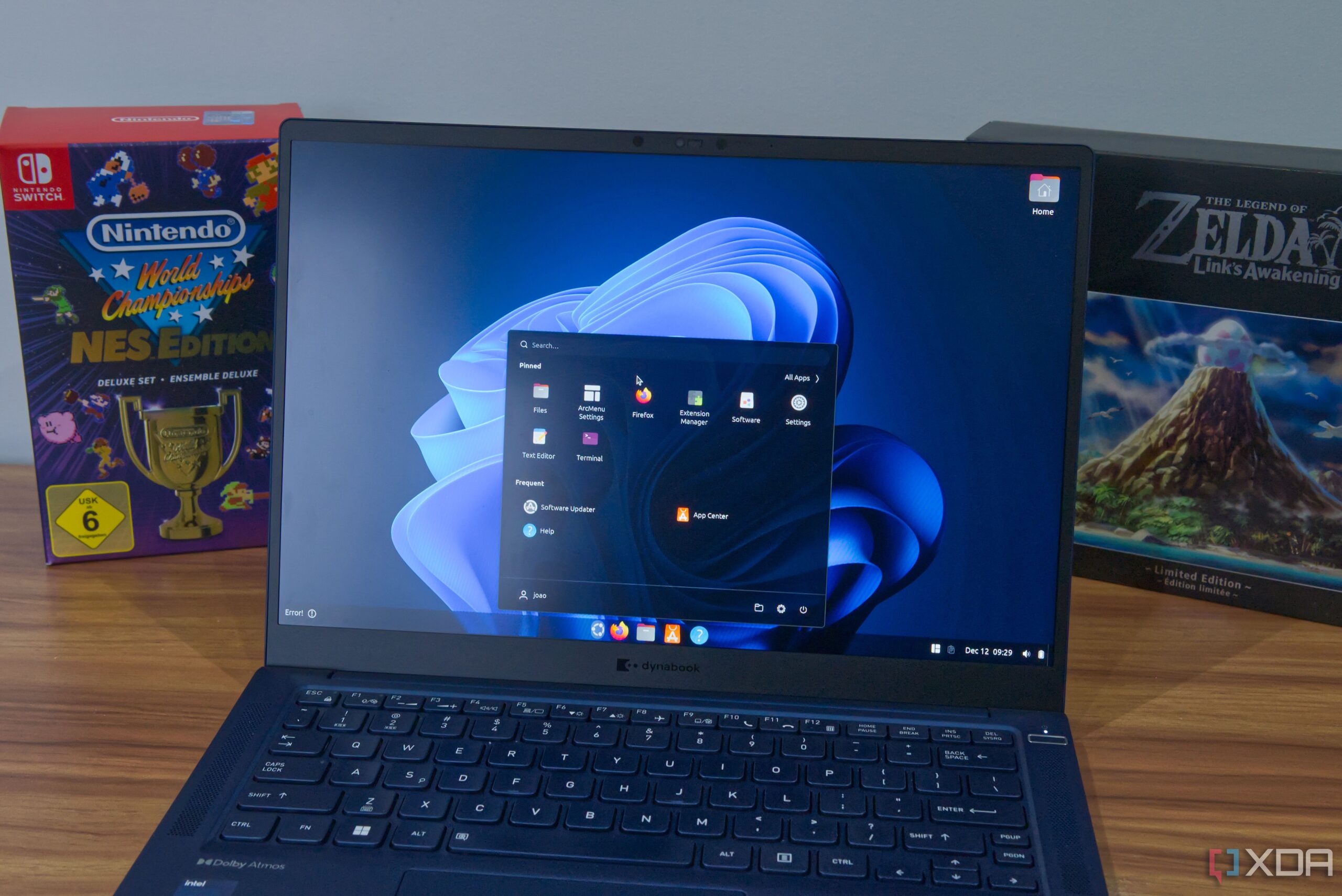
BREAKING: Ubuntu users are rapidly adopting new methods to transform their operating system interface to resemble Windows 11, creating a familiar environment for those wary of switching from Microsoft. This trend has surged as users seek more customizable options while maintaining the reliability of Ubuntu.
JUST ANNOUNCED: The process involves utilizing GNOME Extensions, which allow users to modify their desktop experience significantly. For many, this shift is not just about aesthetics; it’s about enhancing productivity and comfort in a new computing environment.
The primary step in this transformation is installing GNOME Extensions. Users need to set up Flatpak and Flathub to access essential tools. After executing commands in the terminal, users can download the GNOME Extension Manager through the Software app, streamlining the customization process.
To replicate the iconic Windows experience, users focus on two essential features: a taskbar and a Start menu. The Dash to Panel extension serves as a robust alternative to the traditional Ubuntu Dash. This tool not only mimics the Windows taskbar but also offers extensive customization options, allowing users to resize and rearrange elements for optimal efficiency.
Additionally, the ArcMenu extension provides a Start menu equivalent, complete with a layout option that closely resembles Windows 11. Users can opt for the “11” menu layout and customize it further to match their personal preferences. This level of customization is often seen as superior to the options available on Windows, enhancing user satisfaction.
As users dive deeper into customization, other extensions like Media Controls and Notification Banner Reloaded help refine the user experience. These tools add functionalities such as media playback controls and customizable notification displays, making Ubuntu not only visually appealing but also highly functional.
Moreover, features like the Clipboard History and Emoji Copy extensions enhance multitasking capabilities. The Clipboard History tool saves previous clipboard items for easy retrieval, surpassing the native functionalities of Windows. Similarly, Emoji Copy allows users quick access to a vast array of emojis, streamlining communication and expression in digital conversations.
The demand for a seamless transition from Windows to Ubuntu reflects a growing community of users eager to explore Linux while retaining a sense of familiarity. With the help of extensions, users are discovering that they can enjoy an even more personalized computing experience than what Windows offers.
As this trend continues, Ubuntu is likely to attract more users from the Windows ecosystem. The combination of stability, customization, and community support makes it an appealing choice for those looking to make a change without losing the comfort of familiar UI elements.
WHAT’S NEXT: Users looking to adopt these changes can expect a wealth of resources and community support as this movement grows. The increasing popularity of these extensions showcases the flexibility of Linux systems, positioning Ubuntu as a leading choice for users seeking both reliability and personalization.
This development is not just a technical shift; it signifies a broader movement towards embracing open-source software while making it accessible and comfortable for a global audience. The excitement surrounding these transformations is palpable, and users are encouraged to share their experiences as they navigate this new landscape.