
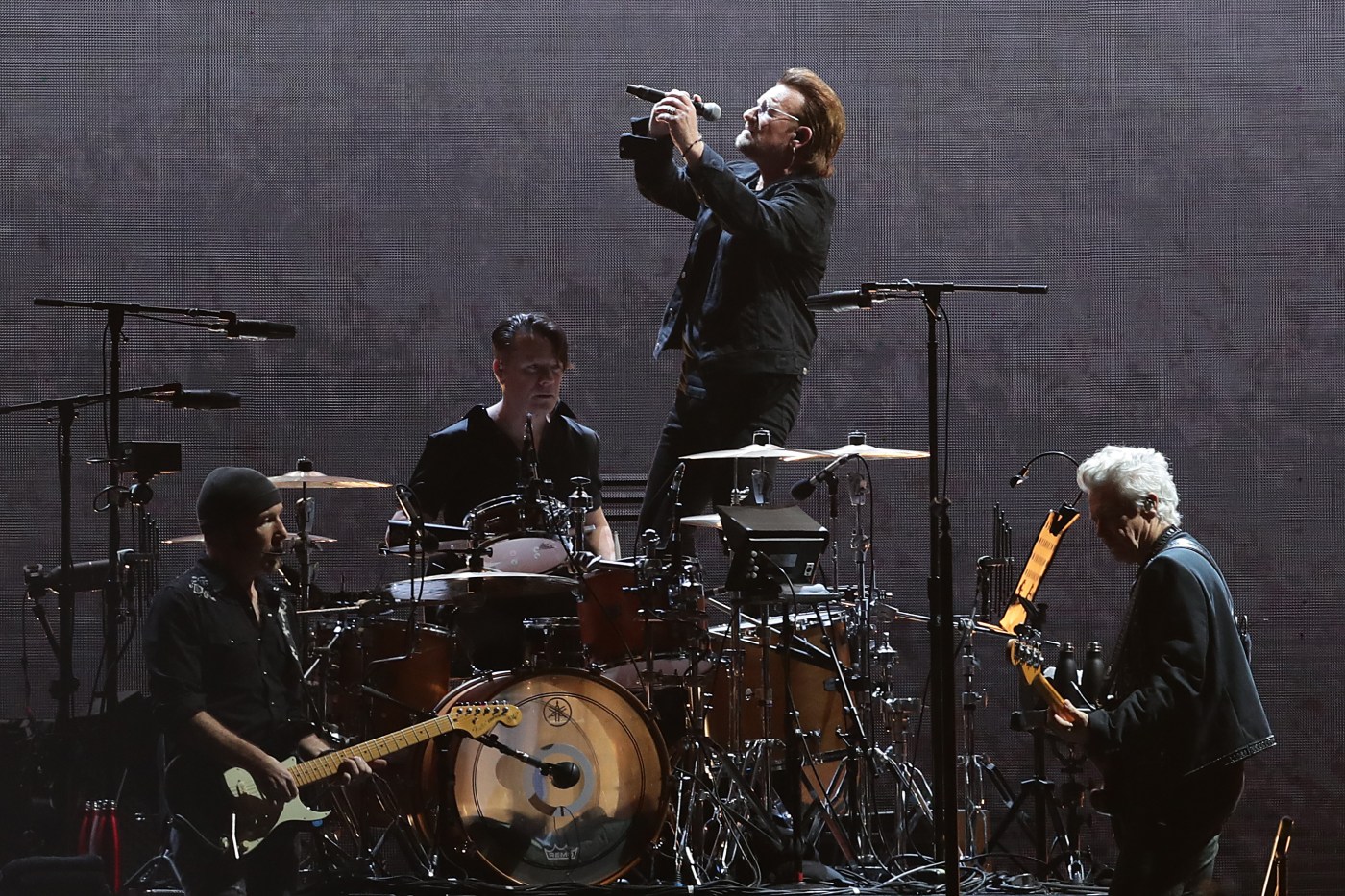
BREAKING: Grammy-winning rock band U2 has just released a powerful new EP titled “Days of Ash,” featuring a protest song that pays tribute to Renee Good, a Minneapolis activist tragically killed by federal agents on January 7. The opening track, “American Obituary,” highlights the urgent call for justice and remembrance in the wake of her death while protesting ICE operations in her community.
The song’s poignant lyrics include, “Renee Good born to die free / American mother of three / Seventh day January / A bullet for each child, you see.” Lead singer Bono, known for his activism and poignant lyrics, takes a stand against the labeling of Good as a “domestic terrorist” by Trump administration officials following her shooting while seated in her vehicle.
In a striking line, Bono questions, “Renee the domestic terrorist?” and asserts, “What you can’t kill can’t die / America will rise against the people of the lie.” This bold declaration resonates deeply with listeners, emphasizing the ongoing struggle for justice and accountability in the face of systemic violence.
The release of “Days of Ash” comes just nine months after Trump suggested that Bono should be investigated for his support of Kamala Harris during the upcoming 2024 presidential election, claiming celebrity appearances could constitute illegal campaign contributions. Bono vehemently denied these accusations on “Jimmy Kimmel Live!” last May, asserting, “It has never happened.”
This latest development in the music world mirrors the sentiments expressed by fellow musician Bruce Springsteen, who recently dedicated his own protest song, “Streets of Minneapolis,” to the memory of Good and Alex Pretti, another victim of federal violence. Pretti was shot and killed shortly after Good, underscoring the growing unrest surrounding ICE’s actions in Minnesota.
U2’s “Days of Ash” and the accompanying protest song serve as a rallying cry for those advocating change. As communities grapple with the implications of federal operations, the emotional weight of Good’s story resonates widely, calling for solidarity and justice.
As the public responds to these urgent artistic expressions, the question remains: What will be the next step in the fight against systemic injustice? U2’s powerful message is sure to spark conversations, making it essential for audiences to engage and share this critical moment in music and activism.
Stay tuned for more developments as this story unfolds, and join the conversation about the impact of art in the fight for justice.