
The ongoing congressional redistricting dispute in New York has drawn the attention of the U.S. Supreme Court, which is being urged to intervene following a controversial ruling by a state judge. The decision, issued by Acting Manhattan Supreme Court Justice Jeffrey Pearlman, could significantly disrupt the state’s elections by mandating a last-minute redraw of congressional district lines just as candidate petitioning begins.
The timing of the ruling is critical. Candidate petitioning for the upcoming elections is set to start on March 15, 2024. If Pearlman’s order remains in effect, candidates will not only be unable to collect signatures but will also lack clarity on where the congressional district lines will be drawn. This situation risks delaying the entire electoral process, potentially affecting both incumbents and challengers.
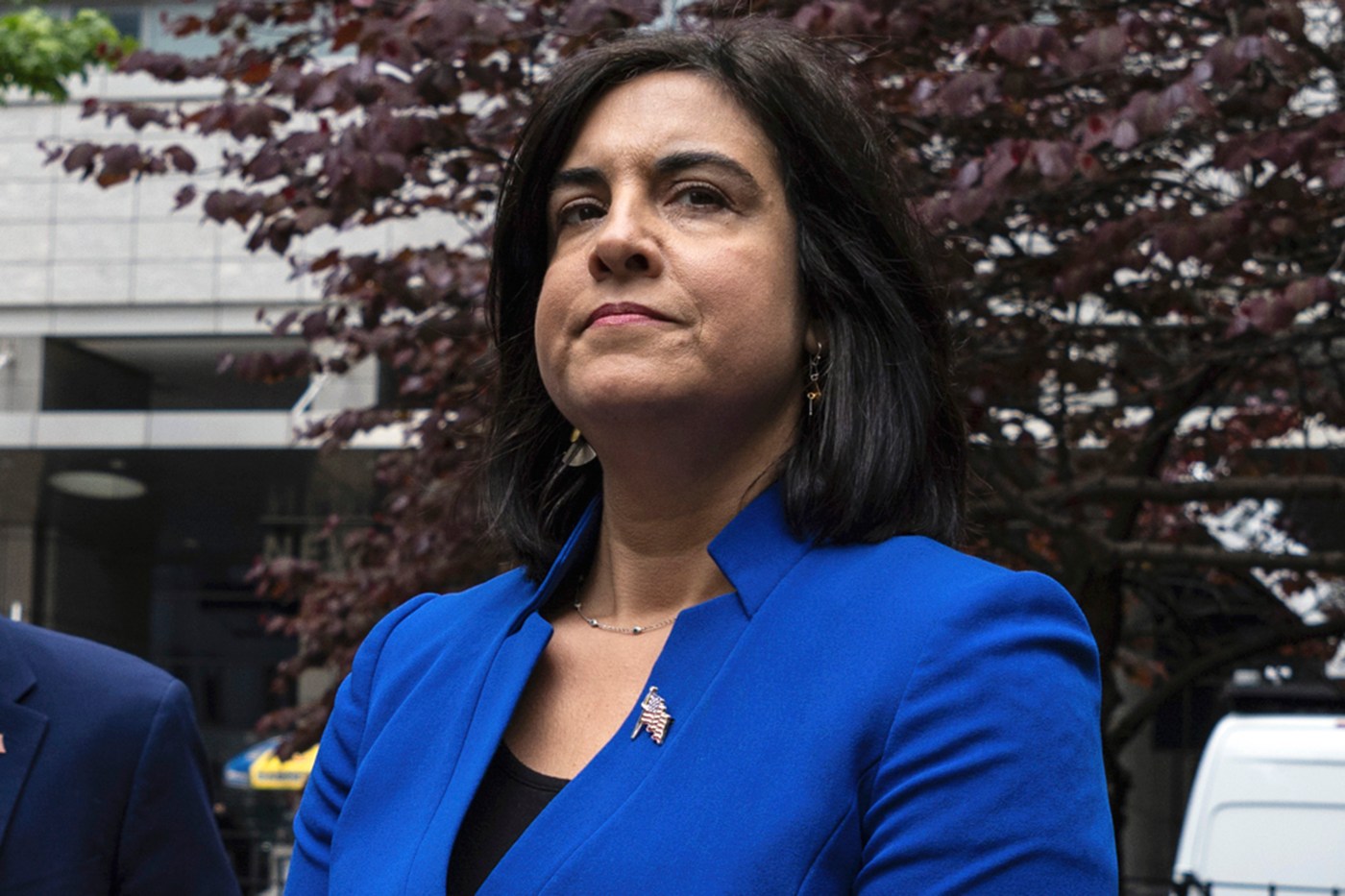
The redistricting process has become contentious due to allegations that it is aimed at undermining the electoral position of Nicole Malliotakis, New York City’s sole Republican congresswoman. Malliotakis has represented Staten Island and parts of Brooklyn since 2021. The current district map was created by a nonpartisan expert, Jonathan Cervas from Carnegie Mellon University, who was appointed as a special master after the state’s Democratic-led legislature altered the original map drawn by the bipartisan Independent Redistricting Commission in 2022. This initial alteration was criticized for diminishing Republican representation in a state where the GOP has traditionally held a stronger position.
Cervas’s map, which was ratified by the state legislature in 2024, is designed to be fair and balanced, adhering to the requirements set forth by the state constitution. In the 2022 elections, Republicans successfully won 11 out of the 26 congressional seats, demonstrating that the map had produced competitive results. However, the following year, the GOP’s performance declined, resulting in the loss of four seats. This fluctuation highlights the dynamic nature of voter preference rather than flaws in the map itself.
As the Supreme Court weighs its options, it faces the task of determining whether Pearlman’s ruling is justified. Critics argue that the push for redistricting stems from a political strategy, rather than genuine concerns about voter representation. The argument presented claims that the current map unfairly disadvantages Black and Hispanic voters, but this assertion has been met with skepticism. The constitutionality of mid-decade redistricting remains a contentious issue, especially following controversial redistricting efforts in states like Texas and California, where partisan interests have heavily influenced the process.
If the Supreme Court decides to uphold the lower court’s ruling, it could set a precedent for further political maneuvering across the country. In the past, the Court has allowed states to engage in partisan gerrymandering, raising concerns about the integrity of the electoral process. The current case, however, hinges on allegations of racial gerrymandering, which is prohibited under established legal standards.
Democrats in New York are being encouraged to rely on traditional campaign methods to defeat Malliotakis, rather than attempting to alter the electoral landscape through redistricting. The focus is on encouraging robust competition through effective campaigning and strong candidates, rather than manipulating district lines.
The Supreme Court’s upcoming decision will have significant implications not just for New York, but potentially for congressional redistricting practices nationwide. As the state prepares for the upcoming elections, the outcome of this legal battle will be closely watched by political analysts and voters alike.