
The United States Space Force has suspended all national security launches using the Vulcan Centaur rocket following a recurring issue with its solid rocket boosters. The decision comes after a malfunction was observed during the vehicle’s most recent mission on February 12, 2024. This incident adds to previous concerns raised during earlier flights, prompting the Space Force to halt future Vulcan missions until United Launch Alliance (ULA) can identify and resolve the underlying technical problems.
The Vulcan Centaur, which made its inaugural flight in January 2024, has completed four missions to date. Notably, it has experienced booster anomalies during two of these launches. In both instances, the core-stage engines effectively compensated for the issues, allowing the missions to be deemed successful. Nevertheless, the recurrence of these anomalies has led to increased scrutiny from the Space Force, which is prioritizing safety and reliability in its operations.
Col. Eric Zarybnisky, speaking at the Air Force Association’s Warfare Symposium on February 25, stated, “This is going to be a many-months process as we work through the exact technical issue that happened and the corrective actions we need to take to ensure this doesn’t happen again.” His comments highlight the seriousness with which the Space Force is approaching the situation, emphasizing the need for thorough investigation before resuming launches.
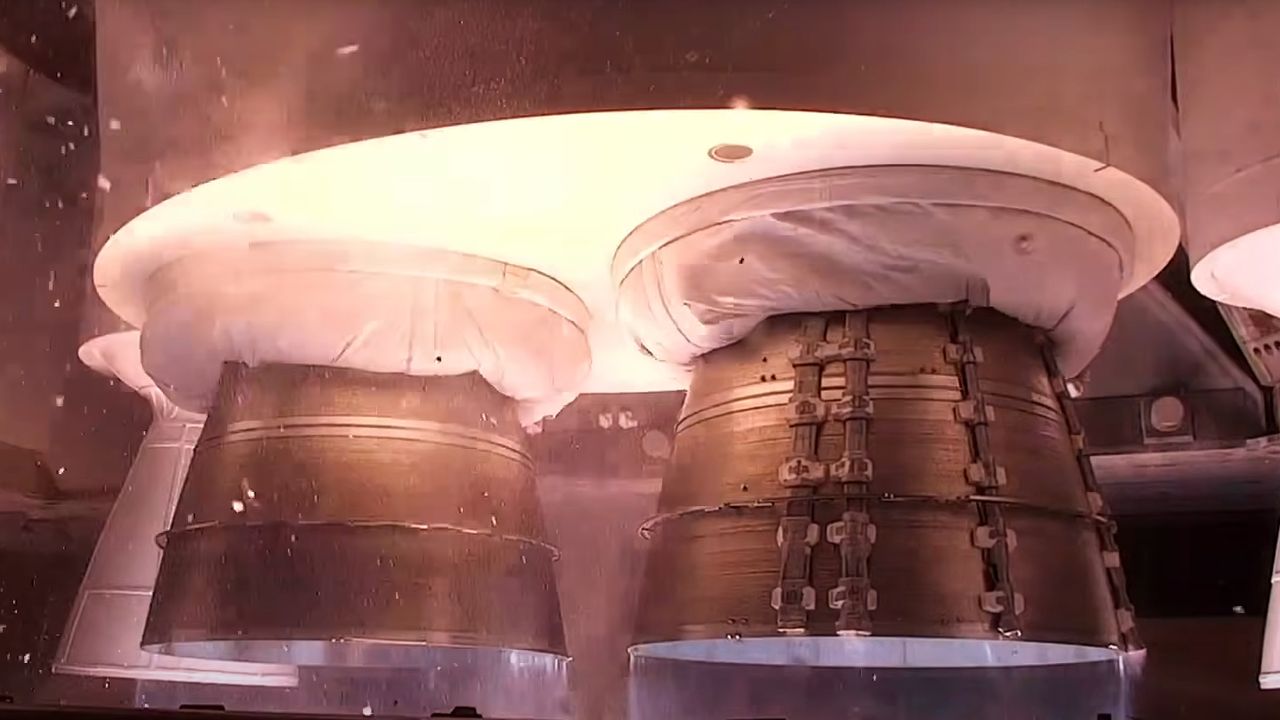
The latest mission, known as USSF-87, involved deploying two reconnaissance satellites for the United States’ Geosynchronous Space Situational Awareness Program (GSSAP). Approximately 20 seconds after liftoff, a visible anomaly occurred in one of the rocket’s four solid boosters. Thankfully, the two BE-4 first-stage engines managed to correct the trajectory, successfully placing both satellites into their intended geosynchronous transfer orbit.
This incident marks a continuation of challenges for the Vulcan rocket program. In October 2024, a prior mission faced a similar setback when a manufacturing defect caused one of the solid rocket booster nozzles to detach, momentarily steering the rocket off course. Although no details have emerged regarding the cause of the recent anomaly during the USSF-87 mission, ULA’s investigation is ongoing.
Zarybnisky emphasized the commitment to resolving this issue before resuming any Vulcan missions, stating, “Until this anomaly is solved, we will not be launching Vulcan missions.” The implications of this suspension are significant, as ULA has over two dozen national security launches scheduled for the coming years with the Vulcan Centaur rocket.
The current grounding could pose challenges for ULA, particularly in light of recent leadership changes. Longtime CEO Tory Bruno resigned in late 2025 to assume the role of president of national security at competitor Blue Origin, which also manufactures the BE-4 engines used in Vulcan.
As ULA works to address the technical issues, the Space Force remains focused on ensuring the reliability and safety of its national security launches. The outcome of this investigation will play a crucial role in determining the future of the Vulcan Centaur rocket’s deployment in critical missions.