
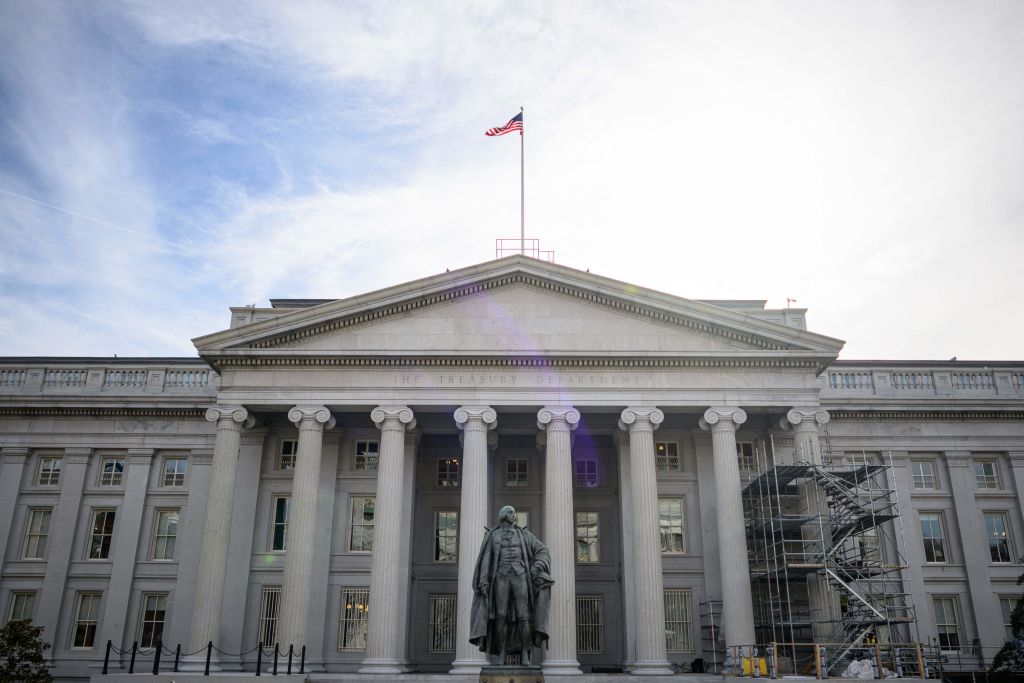
UPDATE: The U.S. government has just announced sanctions against over 150 individuals and companies for their roles in supporting drug trafficking organizations through money laundering this year. This urgent move includes 64 individuals and 87 companies now blacklisted, meaning all their assets in U.S. jurisdiction are frozen, and transactions with U.S. entities are strictly prohibited.
The newly sanctioned individuals and companies are primarily linked to criminal networks in Mexico, but also include individuals from Colombia, Albania, India, and Canada. Notably, Ryan James Wedding, a former Canadian Olympian, has been implicated for alleged connections with the notorious Sinaloa Cartel. Wedding is currently on the FBI’s Ten Most Wanted Fugitives list and is accused of trafficking significant amounts of cocaine into the U.S. and Canada.
According to a report from Milenio, U.S. officials have designated an unprecedented 35 individuals under terrorism authorities this year, signaling a serious escalation in the fight against drug-related crime. Of the 64 individuals sanctioned, 55 are Mexican, along with several from other countries, all reportedly operating within Mexican territory.
This year alone, 26 individuals have been linked to the Sinaloa Cartel, while another 16 are reportedly associated with the Cártel Jalisco Nueva Generación (CJNG), led by the infamous Nemesio Oseguera Cervantes, known as “El Mencho.” The U.S. has taken significant action against alleged partners of the Sinaloa Cartel, including recent penalties against members of the Hysa family, accused of laundering millions through gambling operations in Mexico.
In terms of companies, the report highlights that nearly two-thirds of the 87 firms sanctioned have ties to terrorism, while an additional 30 are linked to organized crime. These businesses are not large corporations but rather a network of smaller entities, including fuel companies and entertainment venues, that serve as financial instruments for criminal operations.
The majority of these sanctioned entities are based in 12 states across Mexico, with a staggering 56% concentrated in just three states: Sinaloa, Baja California, and Jalisco. Emerging reports indicate that 49 of the 87 companies are located in these states alone. The findings emphasize the pervasive nature of these operations, with companies also identified in Nuevo León, Quintana Roo, and several others.
As the U.S. intensifies its crackdown on money laundering and drug trafficking, officials urge vigilance in monitoring these networks. This latest development marks a critical juncture in the ongoing battle against narcotics and organized crime, with significant implications for both U.S. and international security.
Stay tuned for updates on this rapidly evolving situation as authorities continue to respond to the growing threat of money laundering and drug trafficking.