
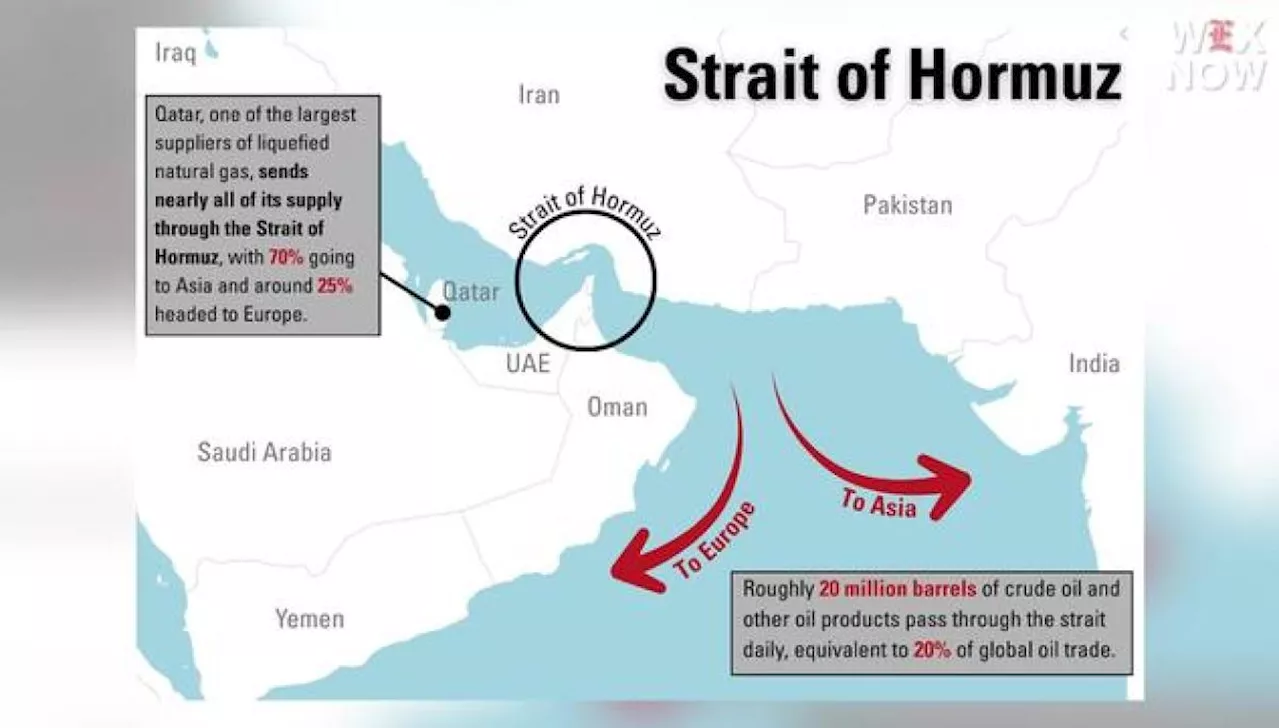
The United States is reportedly gearing up for potential amphibious operations in the Strait of Hormuz, focusing on Iran’s Kharg and Qeshm islands. This build-up follows ongoing military tensions and escalated hostilities between the U.S. and Iran, which have implications for global shipping routes and energy prices.
The U.S. military’s current deployments suggest preparations for ground assaults aimed at disrupting Iranian capabilities. As the Trump administration seeks to navigate the complexities of this conflict, Iran’s recent actions have already deterred many shipping companies from traversing the strait. The provision of insurance guarantees by the U.S. has not been sufficient to mitigate the risks perceived by these companies.
Energy prices have remained high and volatile, creating a challenging environment for U.S. interests in the region. Analysts suggest that Iran is banking on the hope that political pressures in the U.S. will force a reconsideration of military engagements, particularly ahead of the midterm congressional elections.
The stakes are high, as a perceived or actual defeat in the Strait of Hormuz could significantly harm U.S. credibility among allies and embolden adversaries. Such a scenario would also bolster the strategic initiatives of China and Russia, which have sought to expand their influence in the Middle East through trade and promoting regional neutrality.
Military Strategy and Operations
Calls for the U.S. Navy to escort civilian vessels through the strait have emerged, but military experts caution that the situation is far more complex. Iranian forces, equipped with surface gunboats, drones, and concealed missile systems, pose a significant threat to any U.S. naval operations in the area. Until these Iranian capabilities are effectively degraded, naval escorts could lead to direct confrontations with U.S. warships.
The redeployment of the 31st Marine Expeditionary Unit (MEU) from the Pacific to the Middle East underscores the U.S. commitment to maintaining a robust military presence. The MEU consists of approximately 800 combat infantry personnel, supplemented by F-35B stealth fighter jets. Observers note that additional elements of the larger 1st Marine Expeditionary Force may also be deployed, indicating a significant escalation in U.S. military readiness.
Control over Qeshm Island, strategically located in the Strait of Hormuz, could minimize missile and drone threats to maritime traffic. However, any ground combat operation on the island would be fraught with challenges, given its extensive fortifications and underground facilities.
Implications for U.S.-Iran Relations
Should U.S. forces successfully establish a presence on either Kharg or Qeshm islands, it may compel Iranian leadership to reconsider their current position. U.S. forces aim to impose a new cost-benefit analysis on Iran’s military strategy, potentially leading to negotiations.
President Trump faces a pivotal decision as military assets are deployed. Allowing Iran to claim victory in the Strait of Hormuz is not an option, as it would not only have immediate geopolitical consequences but also long-term implications for U.S. foreign policy in the region.
As the conflict continues to unfold, the complexity of the military and geopolitical landscape in the Strait of Hormuz remains a focal point for both U.S. and Iranian strategies, and the outcome may significantly shape the future of U.S. engagement in the Middle East.