
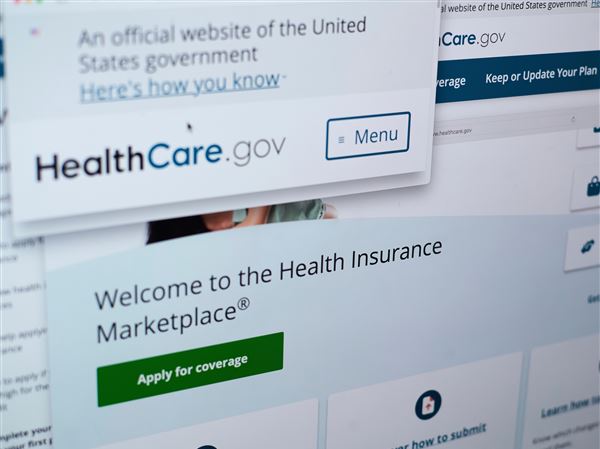
The United States continues to grapple with significant challenges in providing equitable healthcare to its citizens. Despite the existence of comprehensive healthcare systems in most western democracies, many Americans face barriers to accessing necessary medical services. This ongoing issue has sparked criticism, particularly regarding the influence of health insurance companies and pharmaceutical corporations.
Historically, efforts to reform the American healthcare system have encountered staunch opposition from the Republican Party. According to various analysts, this resistance has contributed to the persistence of an outdated system that benefits wealthy insurers and pharmaceutical companies while leaving many low-income and uninsured individuals to struggle with inadequate care. The implications of this system are profound, affecting millions of Americans who cannot afford essential health services.
Challenges in Healthcare Access
The disparity in healthcare access is evident across various demographics. A report from the U.S. Census Bureau indicated that in 2021, approximately 28 million Americans lacked health insurance. This figure represents a significant portion of the population that remains vulnerable to health crises without the necessary support. Critics argue that this situation reflects a broader trend of prioritizing corporate profits over public welfare.
In contrast, many western democracies have implemented universal healthcare models that aim to ensure equitable access for all citizens. Countries such as Canada and those in Scandinavia have demonstrated that comprehensive healthcare systems can provide reliable coverage and improved health outcomes. These models stand in stark contrast to the fragmented approach seen in the United States, where many people remain reliant on employer-sponsored insurance or government programs like Medicaid and Medicare.
The Role of Insurance and Pharma Companies
The influence of health insurance and pharmaceutical companies is a significant factor in the ongoing debate about American healthcare. These industries have substantial lobbying power, often shaping legislation that favors their interests. For instance, data from the Center for Responsive Politics shows that the pharmaceutical and health product industry spent over $300 million on lobbying efforts in 2022 alone. This financial clout raises concerns about the integrity of policies designed to serve the public good.
Moreover, high prescription drug prices and the rising costs of insurance premiums pose barriers to care for many Americans. A recent study published in the Journal of the American Medical Association highlighted that nearly one in four Americans reported not filling a prescription due to cost concerns, underscoring the urgent need for reform.
The ongoing challenges within the U.S. healthcare system reflect a complex interplay of political, economic, and social factors. As discussions about potential reforms continue, the disparities in access and quality of care remain pressing issues that require attention from policymakers. Advocates for change emphasize the importance of prioritizing patient welfare over corporate profit, arguing that a more equitable system would benefit not only individuals but society as a whole.
As the debate over healthcare reform evolves, the voices of those advocating for a fairer system will likely grow louder. The American public’s demand for change may ultimately drive a shift towards a more inclusive and accessible healthcare model, akin to those seen in other developed nations. The path forward remains uncertain, but the need for action is clear.