
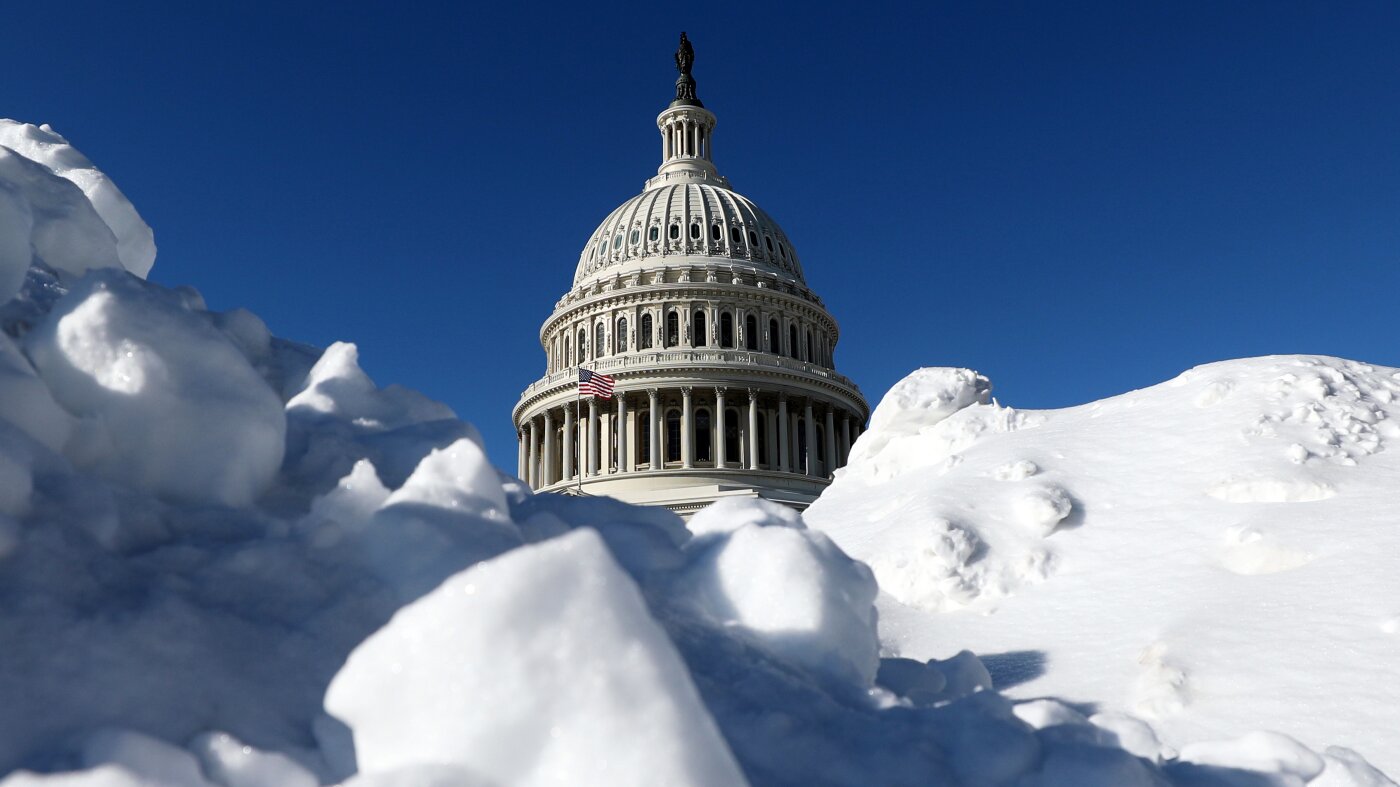
The U.S. government has entered a partial shutdown following Congress’s failure to finalize a spending package by midnight on September 30, 2023. This lapse has resulted in funding expiration across several federal departments, including the Department of Defense, the Department of State, and the Department of Health and Human Services. Despite the funding expiration, recent developments indicate that Congress may soon resolve the deadlock.
Senate Approves Funding Measures Amid Ongoing Negotiations
On September 29, the Senate approved legislation aimed at funding key government agencies through the end of the fiscal year in September 2024. This included a two-week stopgap bill specifically for the Department of Homeland Security, intended to provide lawmakers with additional time to negotiate reforms following a series of incidents involving federal immigration officers. These incidents have heightened scrutiny of immigration enforcement practices.
This two-week continuing resolution will allow Congress to address pressing issues surrounding immigration enforcement, particularly in light of the recent deadly incidents involving federal officers in Minneapolis. The Senate’s actions now await approval from the House of Representatives, which is currently in recess until October 2.
President Donald Trump has endorsed the Senate funding package, with expectations that the House will move quickly to vote on it upon their return to Washington. A week prior, Congress appeared poised to approve nearly $1.3 trillion in spending across various sectors, including defense, health, transportation, and housing. However, the situation shifted dramatically following the shootings involving federal officers, prompting Democrats to demand policy changes as a condition for their support.
Challenges Ahead for House Approval
The House of Representatives had previously approved a funding package for the six departments but will require a fresh vote on the amended Senate version. If lawmakers act promptly when they reconvene, the effects of the shutdown may be limited, as federal offices are typically closed over the weekend. However, the package faces potential obstacles in the House due to its narrow majority held by Speaker Mike Johnson, a Republican from Louisiana.
The conservative House Freedom Caucus has expressed opposition to the Senate’s plan, complicating the legislative path forward. The proposal must first clear the Rules Committee, where any Republican defections could hinder its progress to the House floor.
Democrats are advocating for substantial reforms in the operations of federal immigration officers. Their proposed changes include prohibiting the use of masks by officers, mandating the use of body cameras, and establishing a uniform code of conduct. Additionally, they seek to implement stricter rules on warrants used by immigration officers for home entries and to ban “roving patrols” that allow broad searches of individuals suspected of being in the country illegally.
Some of these recommendations may gain traction among Republicans, particularly following the recent incidents that have raised concerns about enforcement tactics. However, divisions remain within the party. Senator James Lankford, a Republican from Oklahoma and a member of the homeland security committee, has stated that he sees no need for further policy changes, emphasizing that the House has already allocated funding for body cameras and oversight. In contrast, Senator Markwayne Mullin, also a Republican from Oklahoma, asserted that the enforcement capabilities of the Immigration and Customs Enforcement (ICE) agency should not be compromised.
The situation remains fluid as Congress navigates these complex issues. The coming days will prove critical as lawmakers work to avoid further disruptions in government operations and address the urgent concerns surrounding immigration enforcement.