
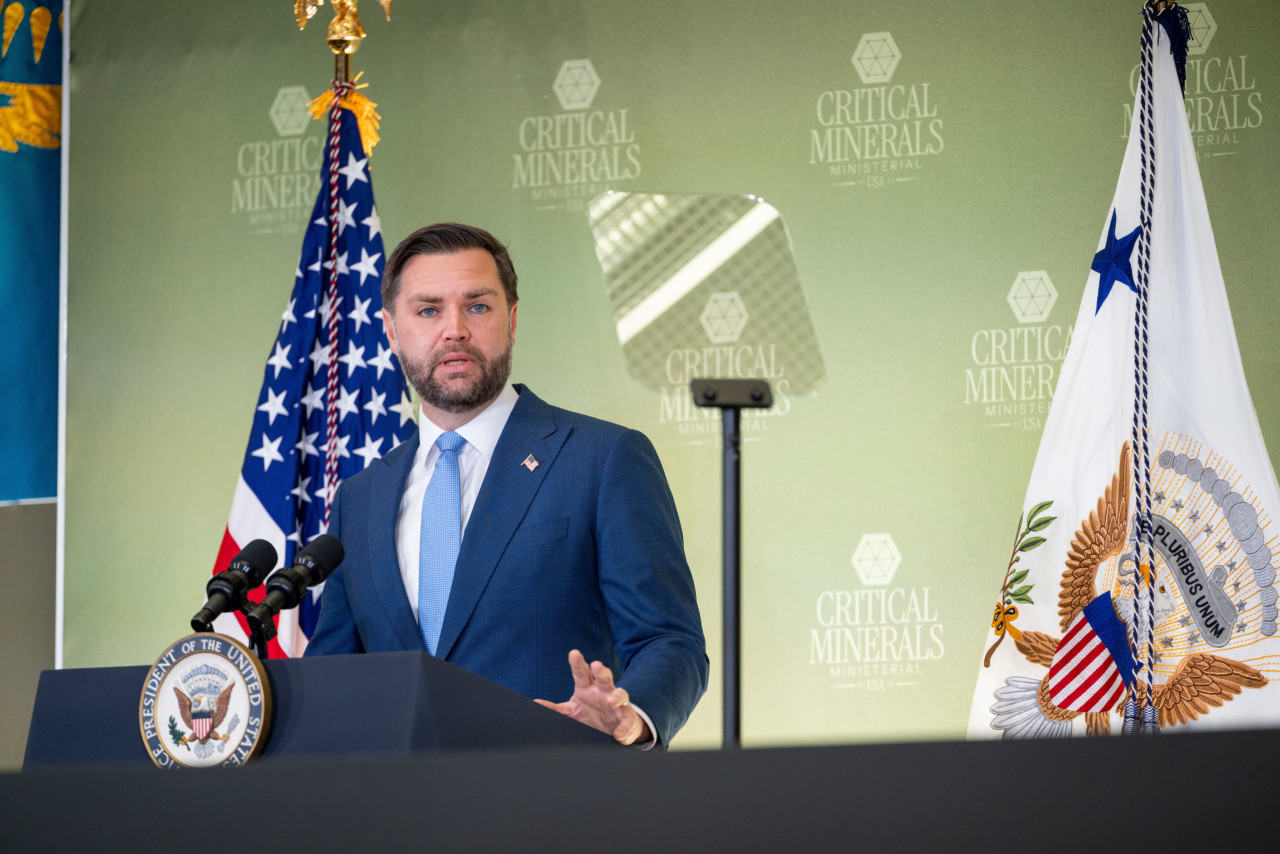
The United States has forged new alliances with Mexico, the European Union, and Japan to create a preferential trade zone aimed at countering China’s dominance in the minerals sector. This strategic initiative, announced in September 2023, seeks to bolster collaboration among these nations in sourcing critical minerals essential for technology and renewable energy production.
The U.S. Department of Commerce highlighted the importance of securing reliable and sustainable supplies of minerals such as lithium, cobalt, and rare earth elements. These materials are vital for the manufacturing of electric vehicles, batteries, and various high-tech devices. According to U.S. officials, this collaboration is essential to reduce dependency on China, which currently controls a significant portion of global mineral supply chains.
Strategic Trade Agreements
The trade agreements aim to streamline regulatory processes and facilitate investment in mineral extraction and processing. By establishing a preferential trade zone, the participating countries hope to enhance their competitive edge against China, which has been aggressively expanding its influence in the minerals market.
One of the key features of these agreements includes joint ventures and technology sharing that could lead to more efficient mining operations. The U.S. is particularly focused on enhancing its domestic capabilities, with plans to invest in mining and processing infrastructure. This investment is projected to create thousands of jobs and promote economic growth in the participating countries.
China’s control over the minerals market has raised concerns among U.S. officials. Reports indicate that China processes approximately 90% of the world’s rare earth minerals, making it a critical player in global supply chains. By collaborating with Mexico, the EU, and Japan, the U.S. aims to secure alternative sources and reduce vulnerabilities in its supply chain.
Implications for Global Markets
The formation of this alliance could have significant implications for global markets. Analysts predict that increased competition in the minerals sector may drive down prices, benefiting manufacturers and consumers alike. Furthermore, this initiative may encourage other countries to explore similar partnerships to secure their mineral needs and foster economic cooperation.
In addition to economic benefits, the collaboration is expected to enhance geopolitical stability in the region. By strengthening ties among allied nations, the U.S. is not only addressing immediate economic concerns but also promoting a united front against potential threats posed by China’s expanding influence.
As this initiative progresses, it will be crucial to monitor how these agreements are implemented and their impact on the minerals market. The collaboration among the U.S., Mexico, the EU, and Japan represents a significant shift in global trade dynamics and underscores the importance of strategic partnerships in navigating the complexities of the modern economy.