
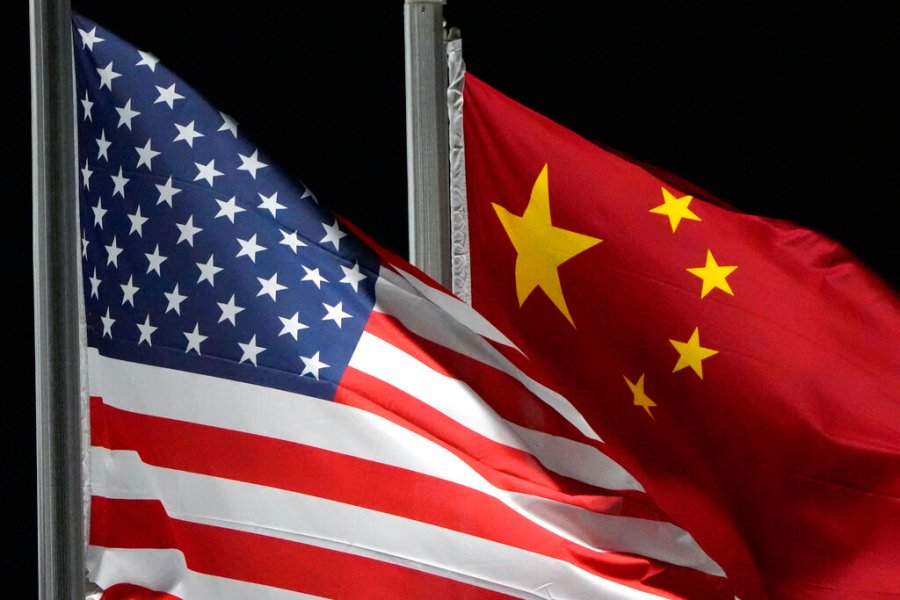
The U.S. policy of strategic decoupling from China has not only failed to meet its intended goals but is also leading to significant economic repercussions. American businesses are facing financial losses, while confusion spreads among allied nations. At the same time, this approach has inadvertently accelerated China’s technological independence.
The drive for decoupling is rooted in national security concerns and a desire to reduce reliance on Chinese technology. However, according to the U.S. Department of Commerce, the financial impact on American companies has been considerable, with an estimated loss of $500 billion in potential revenue since the policy was implemented. This loss has raised alarms within the business community, where leaders are questioning the sustainability of such a strategy.
Financial Implications for American Businesses
The financial strain on American firms has become increasingly evident. Many companies have reported decreased profits due to disrupted supply chains and increased tariffs. For instance, the electronics sector has seen a sharp decline in exports, contributing to a negative growth rate of approximately 10% in certain industries. This situation has left many executives advocating for a more nuanced approach to trade relations with China.
Furthermore, as U.S. businesses grapple with these challenges, the confusion among allies has also surfaced. Many European nations, which rely on close ties with both the U.S. and China, are caught in a compromise. They express concern that U.S. policies could destabilize global technology supply chains, which are essential for their economies.
China’s Accelerated Growth in Technology
In contrast, the decoupling strategy has provided China with a unique opportunity to bolster its own technological capabilities. Chinese companies have seized this moment to invest heavily in research and development, leading to significant advancements in various sectors. Government support has facilitated a rapid increase in domestic production, reducing reliance on foreign technologies.
According to recent reports, China’s technology sector is projected to grow at an impressive rate, with an expected annual growth rate of over 10% in the coming years. This shift not only enhances China’s self-sufficiency but also positions it as a formidable competitor in the global market.
The strategic decoupling approach reflects a broader trend of nations re-evaluating their economic dependencies. While the intent is to safeguard national interests, the lack of a coherent plan has raised concerns regarding its long-term effectiveness. The U.S. is now faced with the challenge of balancing national security with the need for robust international cooperation.
In conclusion, the U.S. policy of strategic decoupling from China is proving to be a double-edged sword. While aimed at protecting American interests, it has resulted in economic setbacks for U.S. businesses and has inadvertently strengthened China’s technological independence. As this situation evolves, it will be crucial for policymakers to reconsider their strategies to foster a more collaborative global economy.