
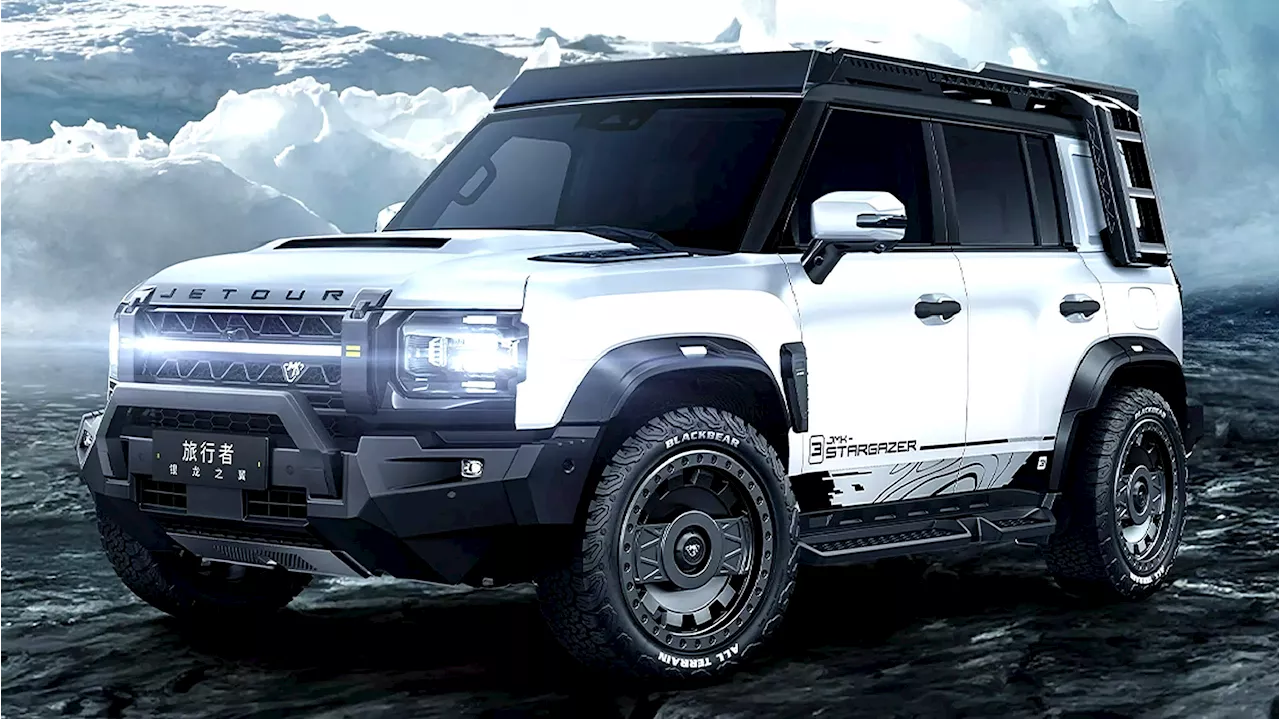
Nearly 40 percent of Americans express willingness to consider a Chinese car, yet pervasive concerns about safety and reliability shape their purchasing decisions. This division highlights significant disparities between consumer interest and dealer skepticism in the U.S. automotive market.
Research conducted by Cox Automotive reveals that while approximately 38 percent of shoppers are open to exploring Chinese brands, an almost equal 39 percent remain firmly opposed. The interest level is notably higher among younger consumers, with a striking 69 percent of Gen Z respondents indicating they would consider a Chinese vehicle if available. This demographic shift suggests that any potential market entry could heavily target younger buyers, but it also presents both opportunities and risks for established manufacturers.
Despite this curiosity among consumers, actual awareness of Chinese car brands is limited. The survey found that nearly half of respondents claimed familiarity with Chinese manufacturers, but only 17 percent could identify specific brands in detail. The brand BYD was the most recognized, mentioned by just over one-third of participants. Awareness among car dealers is even lower, with only about 25 percent reporting any knowledge of BYD, underscoring the early stage of this conversation at the retail level.
Dealer attitudes toward Chinese brands reveal a significant hurdle in this potential market expansion. Only 15 percent of U.S. car dealers expressed a desire to sell Chinese vehicles, while an overwhelming 92 percent voiced concerns regarding issues like reliability, safety, and the long-term viability of these brands. This skepticism is further compounded by the fact that around 60 percent of buyers are not interested in purchasing Chinese cars, highlighting the challenges any new entrants might face.
Nevertheless, the research indicates that consumer perceptions could shift if Chinese brands partnered with established U.S. manufacturers. When respondents were asked about a hypothetical alignment with a recognized American brand, purchase consideration surged to 76 percent. This finding suggests that brand association may play a crucial role in consumer acceptance, perhaps as compelling as pricing or performance.
The allure of Chinese vehicles appears to hinge primarily on price rather than technology or styling. Almost half of the participants rated these brands positively for affordability, with 35 percent acknowledging their performance. Chinese automakers have positioned themselves as cost-effective alternatives, often undercutting competitors. However, concerns regarding durability, safety, and overall quality remain prominent, which are fundamental factors influencing mainstream purchasing decisions.
When consumers directly compared specific models, established U.S. brands like the Tesla Model Y and Chevrolet Equinox maintained a significant edge among electric and internal combustion engine buyers, respectively. The loyalty to these nameplates is evident, particularly as they benefit from established reputations for reliability and service. Nevertheless, when steep price discounts were introduced in side-by-side comparisons, a notable share of buyers indicated a willingness to switch brands, especially among lower-income and more price-sensitive demographics.
In summary, while there is considerable interest in Chinese brands among consumers, particularly younger ones, the prevailing skepticism among dealers poses a significant barrier. Price may narrow the gap between established U.S. brands and their Chinese counterparts, but it is unlikely to erase the trust and familiarity that consumers currently associate with domestic manufacturers. As this discussion evolves, it remains to be seen how Chinese automakers will address these challenges in their quest for acceptance in the U.S. market.