
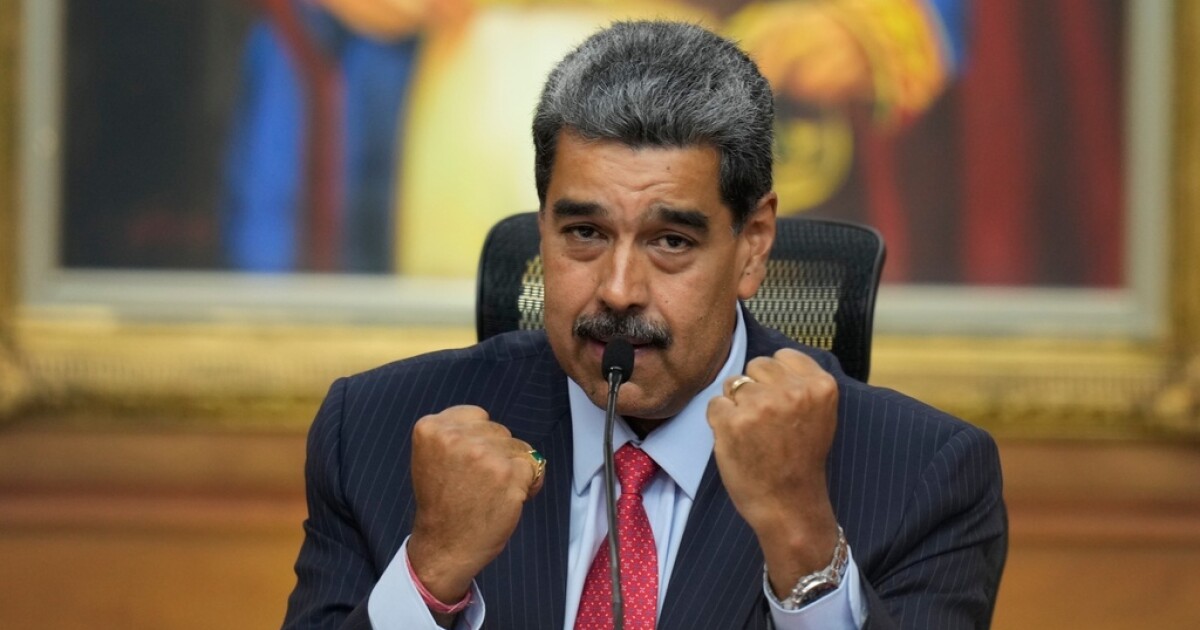
The recent capture of Venezuelan leader Nicolas Maduro by U.S. military forces has ignited a global discussion about the future of Venezuela and its citizens. Following the operation, which took place over the weekend, Maduro is scheduled to appear in court on March 4, 2024, in New York City. He faces serious charges, including narco-terrorism, cocaine importation, and illegal possession of firearms.
In a joint statement, U.S. Attorney General Pam Bondi emphasized that the operation required extensive coordination and planning across various federal agencies. She stated, “The mission was conducted to support an ongoing criminal prosecution tied to large-scale narcotics trafficking and related offenses that have fueled violence, destabilized the region, and contributed directly to the drug crisis claiming American lives.”
President Donald Trump announced Maduro’s capture on Saturday morning, highlighting the significant implications for U.S.-Venezuela relations. Following the announcement, Delcy Rodriguez, the current acting president of Venezuela, condemned the arrest as “barbaric” and called for Maduro’s immediate release. In an interview with The Atlantic, Trump warned Rodriguez, saying, “If she doesn’t do what’s right, she is going to pay a very big price, probably bigger than Maduro.”
Concerns are being raised among Democratic lawmakers regarding Trump’s assertion that the United States would “run” Venezuela in the interim. They are questioning the potential costs to American taxpayers and the possibility of a prolonged U.S. military presence in the country.
In response to these concerns, Secretary of State Marco Rubio defended the operation, asserting that the U.S. is not at war with Venezuela and does not intend to take control of the nation. “Here’s the bottom line on it: we expect to see changes in Venezuela,” Rubio stated during a weekend interview. “Changes of all kinds — long-term and short-term — we’d love to see all kinds of changes. But the most immediate changes are the ones that are in the national interest of the United States. That’s why we’re involved here — because of how it applies and has a direct impact on the United States.”
Rubio, along with Defense Secretary Pete Hegseth, is set to provide a classified briefing to lawmakers regarding the operation and its implications. The situation remains fluid, with many watching closely to see how it will unfold in the coming days and weeks.
The capture of Maduro marks a significant point in U.S.-Venezuela relations, raising questions about the future of governance in Venezuela and the potential for international ramifications. As the world watches, the outcome of Maduro’s legal proceedings and the response from the Venezuelan government will likely shape the narrative for months to come.