
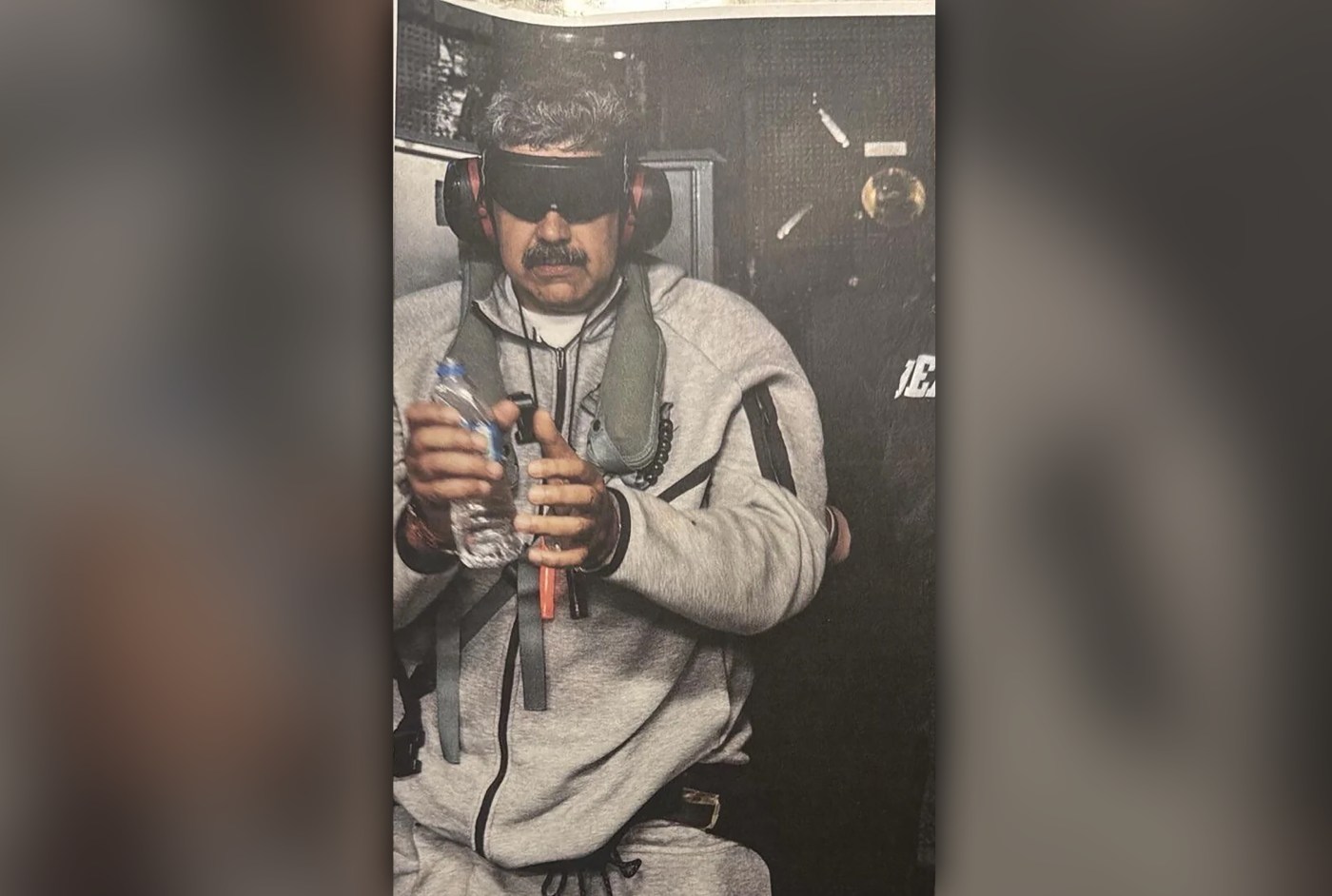
The United States executed a high-profile operation to arrest former Venezuelan President Nicolás Maduro and his wife, Cilia Flores, on narcoterrorism charges early on March 9, 2024. This action came as the U.S. government is intensifying efforts to address the ongoing crisis in Venezuela, which has been marked by allegations of corruption and the mismanagement of resources.
According to General Dan Caine, Chairman of the Joint Chiefs of Staff, the operation, dubbed “Operation Absolute Resolve,” was conducted with precision and minimal disruption. The Defense Department’s mission involved a covert entry into Caracas, where U.S. forces landed helicopters, apprehended the Maduros, and swiftly departed. The entire operation lasted less than two hours, contradicting claims made by former President Donald Trump, who described the event as a significant military assault reminiscent of World War II.
During a press conference, Trump portrayed the U.S. as taking control of Venezuela, though Caine clarified that the operation was strictly focused on arresting wanted fugitives. The Justice Department has been pursuing charges against Maduro since 2020, and new indictments were unsealed on March 8, 2024, by Manhattan U.S. Attorney Jay Clayton. The charges allege that Maduro operated a drug cartel, with a reward of $50 million for information leading to his arrest.
Maduro’s political legitimacy has been under scrutiny, particularly following controversial elections in 2018 and 2024, which he lost but continued to govern amid accusations of electoral fraud. Despite opportunities for a peaceful departure, including discussions with Trump, Maduro opted to remain in power. His arrest, occurring in the early hours, involved a swift transfer to the USS Iwo Jima, stationed offshore in the Caribbean, before being flown to Stewart Air National Guard Base in New York.
Political Implications and Future Governance
While the immediate focus is on the legal proceedings against Maduro, questions arise about who will govern Venezuela in the wake of this significant event. Delcy Rodríguez, Maduro’s vice president, may assume control, although Trump asserted that the U.S. would oversee the country’s transition. This claim raised concerns about potential instability in Venezuela, especially if U.S. military presence becomes necessary to maintain order.
Critics have noted that Trump’s approach may lead to further complications in U.S.-Venezuela relations. Many observers are wary of a possible power vacuum and the risks of anarchy following Maduro’s arrest. The situation is compounded by the existing humanitarian crisis in Venezuela, where millions have fled the country due to political and economic turmoil.
Maduro’s fate now rests in the hands of the U.S. judicial system, as he faces extradition to New York to stand trial. The legal proceedings will not only determine his future but also resonate throughout the region, influencing the ongoing struggle for democracy in Venezuela. As the world watches, the ramifications of this operation extend far beyond the immediate capture of a controversial leader, potentially shaping the future landscape of Venezuelan politics.