
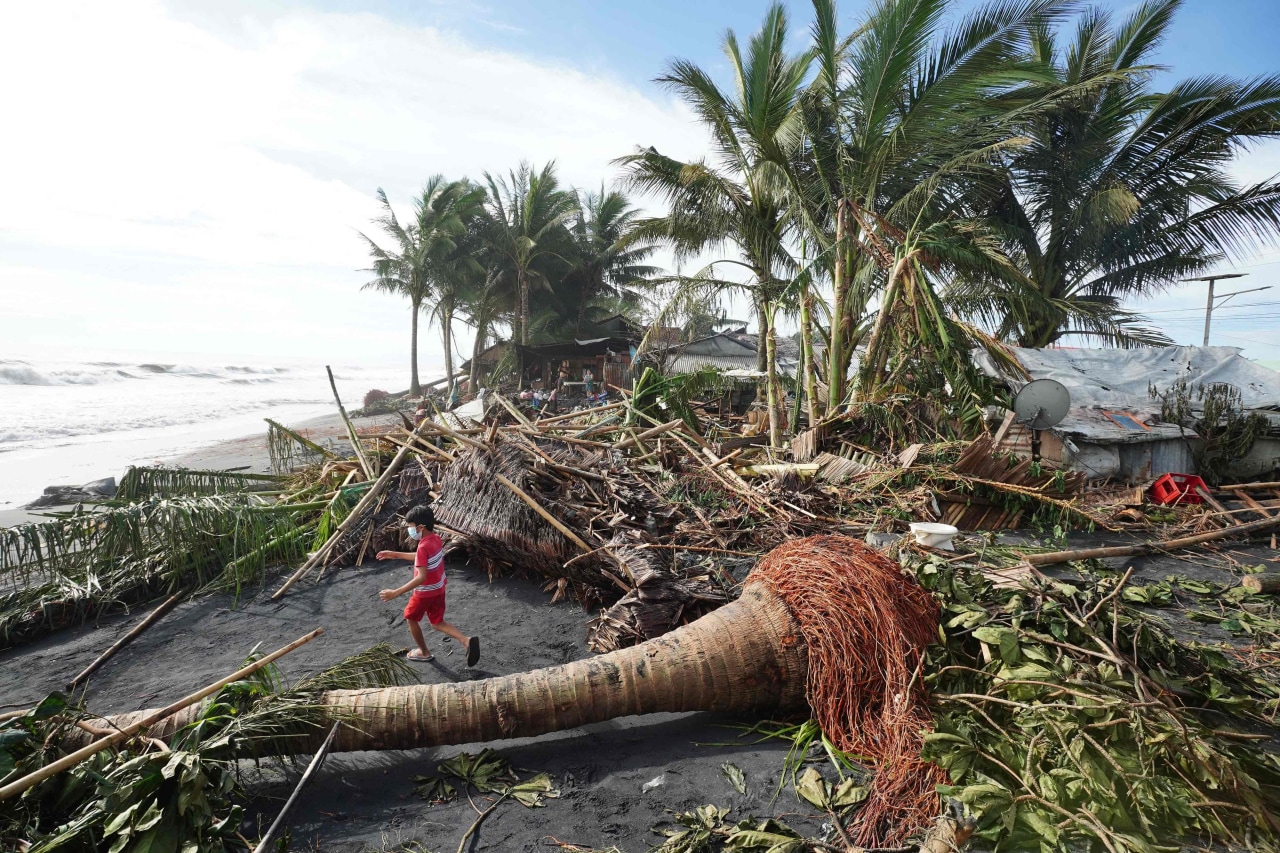
Survivors of devastating typhoons in the Philippines have initiated legal action against the oil company Shell, alleging that the corporation has played a significant role in exacerbating climate change. The plaintiffs argue that Shell has been aware for decades of the impact of burning fossil fuels on global warming, a claim the company disputes vigorously.
The lawsuit was filed on October 15, 2023, and marks a pivotal moment in the ongoing battle between communities affected by climate change and major fossil fuel companies. The claimants, consisting of residents from some of the hardest-hit areas during recent typhoons, assert that Shell’s practices have contributed to the increased severity and frequency of these natural disasters.
Claims by Typhoon Survivors
According to the legal documents, the plaintiffs emphasize that Shell has long known about the environmental risks associated with its operations. They argue that the company’s decisions to continue extracting and selling fossil fuels have directly contributed to rising sea levels and intensified storms, which have had devastating effects on local communities.
One survivor, Maria Santos, shared her experience of losing her home during Typhoon Rai in December 2021. “We are not just fighting for ourselves, but for future generations who will face the consequences of climate inaction,” she stated. This sentiment resonates with many in the affected regions, where communities are grappling with the aftermath of climate-related disasters.
The lawsuit is part of a broader trend of legal actions against fossil fuel companies globally, as communities seek accountability for their role in climate change. Environmental advocates are closely monitoring this case, which could set a significant legal precedent in the Philippines and beyond.
Shell’s Response and Future Implications
Shell, in its official response, has denied the allegations, asserting that it is committed to reducing emissions and transitioning to cleaner energy sources. The company claims that the responsibility for climate change is shared among various sectors and cannot be attributed solely to fossil fuel producers.
As the case unfolds, it may prompt discussions on corporate responsibility and the obligations of companies to address climate change. The outcome could have far-reaching implications, potentially influencing similar lawsuits in other countries where communities are facing the brunt of climate impacts.
The legal proceedings are expected to draw attention not only from the public but also from policymakers and business leaders worldwide. If successful, this lawsuit could empower other communities affected by climate change to seek justice against major corporations, reshaping the landscape of environmental accountability.
As the world continues to grapple with the realities of climate change, the actions of these typhoon survivors serve as a stark reminder of the human impact of global warming. Their fight for justice against Shell highlights the urgent need for responsible environmental practices and the protection of vulnerable communities.