
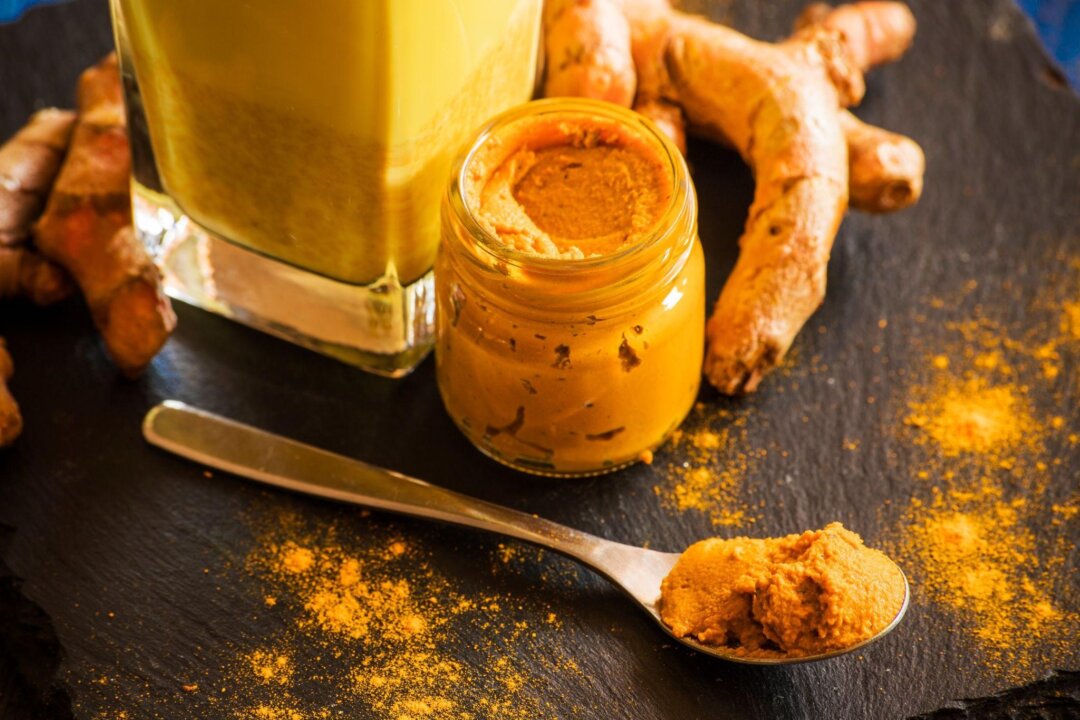
Turmeric has emerged as a prominent topic within the health and wellness community, renowned for its potential health benefits. Yet, recent findings indicate that excessive consumption of curcumin, the primary active ingredient in turmeric, can provoke inflammation and may even result in liver damage. Understanding how to consume turmeric safely and effectively is crucial for maximizing its positive effects while minimizing risks.
Enhancing Turmeric Absorption
Several methods exist to improve the bioavailability of turmeric, allowing individuals to reap its health benefits more effectively. On the “Health 1+1” program, Zhang Weijun, a Traditional Chinese Medicine (TCM) practitioner from Taiwan and a fifth-generation successor of the esteemed Huai Sheng Tang family, shared insights on food pairings that can significantly enhance turmeric absorption.
One of the most effective strategies involves pairing curcumin with piperine, the active component found in black pepper. Research published in a 2024 review emphasizes that consuming curcumin alongside piperine can lead to a remarkable increase in its bioavailability. This pairing acts as a catalyst, allowing the body to absorb curcumin more efficiently and thus maximize its anti-inflammatory, antioxidant, and anti-cancer properties.
The health benefits attributed to curcumin are extensive. It has been linked to reduced inflammation, improved joint health, and even potential anticancer effects. However, its low bioavailability poses a challenge. The addition of piperine can help overcome this limitation, making turmeric a more potent ally in health and wellness regimens.
Consumption Precautions
Despite its many advantages, caution is advised when integrating turmeric into one’s diet. Overconsumption of curcumin can lead to adverse effects, including gastrointestinal distress and liver issues. Therefore, it is essential for individuals to monitor their intake and consult health professionals when considering significant dietary changes.
Moreover, the method of preparation can also impact turmeric’s effectiveness. Combining turmeric with healthy fats, such as olive oil or coconut oil, can further enhance absorption. In addition, consuming turmeric with warm water or incorporating it into cooked dishes can increase its bioavailability as well.
In conclusion, while turmeric offers numerous health benefits, awareness of proper consumption methods is vital. By pairing it with ingredients like black pepper and healthy fats, individuals can enjoy the full spectrum of benefits that turmeric has to offer, all while avoiding the risks associated with excessive intake of curcumin.