
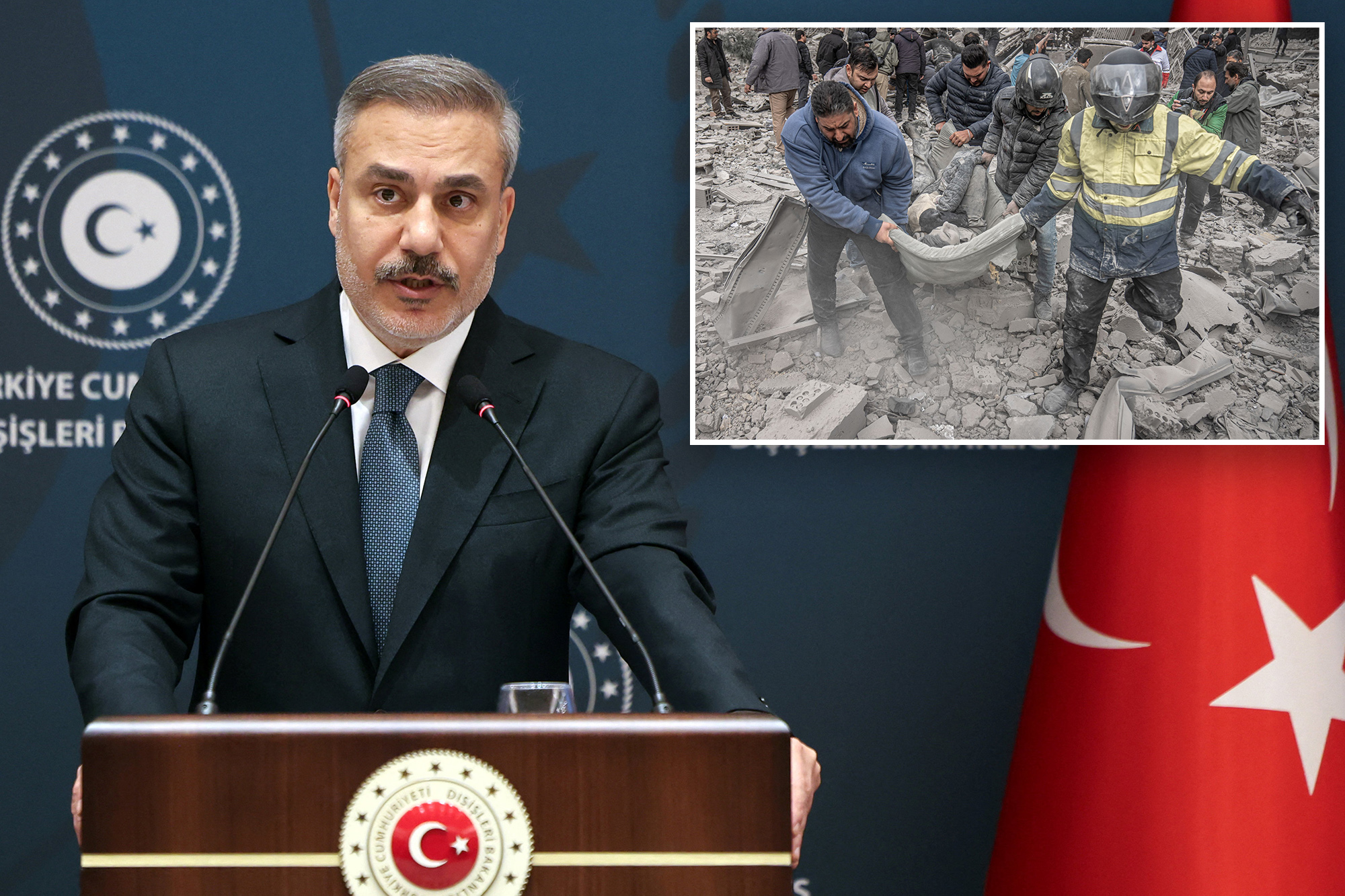
Turkey is actively working with various parties to find a resolution to the ongoing conflict in Iran, according to Foreign Minister Hakan Fidan. His comments come in the wake of escalating military actions involving the United States and Israel, which launched strikes against Iranian targets over the weekend. The situation has intensified, with Iran retaliating by attacking Gulf states that host U.S. military bases.
In a press briefing, Fidan emphasized that Turkey is also engaging in discussions with Oman, a country that shares a similar goal of restoring peace in the region. He highlighted the importance of diplomatic efforts, noting that the conflicts pose a significant risk to regional stability.
Turkey has consistently urged Washington and Tehran to reach an agreement regarding Iran’s nuclear program and missile capabilities. Fidan warned that the Middle East cannot afford further destabilization, particularly given the recent escalation of hostilities.
Turkey’s Role in Diplomatic Efforts
During a Ramadan fast-breaking dinner on March 3, 2024, Fidan stated that Turkey is “sensitively carrying out necessary initiatives with all our counterparts” to achieve lasting peace in the region. He underscored the need for a multi-layered approach to negotiations, indicating that discussions are ongoing with European nations as well.
“We are urging them to take action,” he asserted, as the Gulf nations grapple with a serious crisis. Fidan confirmed that Turkey is in dialogue with the Omani foreign minister and is also communicating with American officials to coordinate efforts.
In a notable statement, Turkish President Tayyip Erdogan condemned the airstrikes against Iran, characterizing them as a “clear violation” of international law. Fidan echoed this sentiment, cautioning that the conflict could potentially impact global energy supplies. He referenced the Hormuz Strait, a critical passage for world oil trade, and warned that its closure could prompt the U.S. to seek a swift resolution.
Fidan explained that Iran’s actions, such as targeting Gulf states and energy infrastructure, are attempts to exert pressure on the U.S. and its allies. He expressed skepticism about Tehran’s ability to achieve its objectives through such tactics, stating, “I don’t know how much Iran has left.”
Regional Implications of the Conflict
The conflict’s ramifications extend beyond immediate military actions. Fidan’s remarks highlight the interconnectedness of regional stability and global energy markets. The closure of the Hormuz Strait, where approximately one-fifth of the world’s oil trade occurs, could have dire consequences for international energy supplies.
While Iran’s military strategies may aim to pressure the U.S. into negotiations, Fidan suggested that such actions might not yield the desired outcome. He speculated that Iran could instead target Israel with missile strikes as a means of retaliation.
As Turkey continues its diplomatic outreach, the situation remains fluid, with various parties navigating the complexities of regional geopolitics. The international community watches closely, as the potential for further escalation looms over the Middle East.