
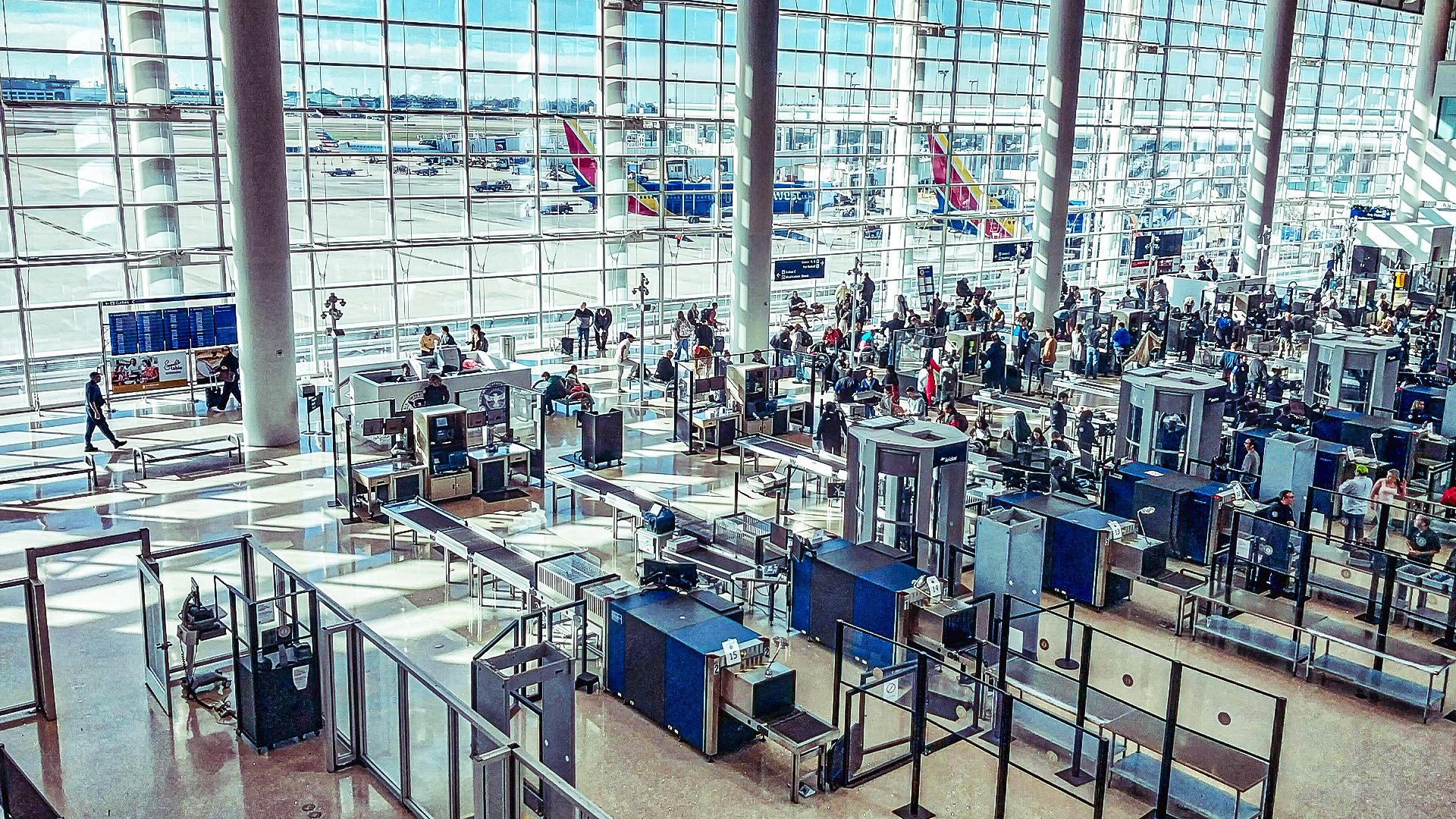
As of May 7, 2025, the Transportation Security Administration (TSA) has implemented the REAL ID Act, significantly tightening the identification requirements for domestic air travel in the United States. Passengers who present non-compliant identification may face serious consequences, including additional fees, extensive screening, or potentially being denied boarding altogether. This shift marks a crucial moment for air travelers, who must now navigate a more stringent identification landscape.
Understanding the REAL ID Enforcement
The REAL ID Act, which has been in effect since the post-9/11 era, is now fully enforced. From this date forward, only state-issued driver’s licenses or photo IDs that display a specific marking—typically a star in the upper right corner—are deemed valid for air travel. According to VisaVerge, this new requirement means that many IDs previously accepted are now invalid. Travelers are advised to check their IDs before heading to the airport to avoid complications.
Acceptable forms of identification now include:
- REAL ID-compliant state licenses/IDs
- State-issued Enhanced Driver’s Licenses (EDL/EID)
- US passports or passport cards
- DHS “Trusted Traveler” cards (such as Global Entry, NEXUS, SENTRI)
- US military IDs (active/retired, or dependents)
- Permanent resident cards
- Canadian provincial driver’s licenses
- Foreign government-issued passports
- Other federally recognized photo IDs
Travelers without an acceptable ID will not be allowed to board flights unless they can provide an alternative form of identification. Temporary licenses, generic membership cards, and standard state licenses without the REAL ID marking are no longer acceptable.
Consequences of Non-compliance
For those arriving at the airport without valid identification, the TSA has introduced an alternative verification process. This method may involve answering personal questions or utilizing technology-based verification systems. However, this route comes with a fee. Starting in November 2025, TSA’s Modernized Alternative Identity Verification Program requires travelers to pay an $18 non-refundable fee. If their identity is successfully verified, they may gain temporary access to airport facilities for up to ten days.
“The new rules are reshaping how Americans travel by air,” noted a travel expert. “The stakes are higher than ever for those who forget their ID.”
While this program offers a potential solution, it does not guarantee access. Should the TSA be unable to confirm a traveler’s identity, they risk being denied entry to the secure area and consequently, denied boarding. Additionally, travelers may experience longer wait times and extra screening measures, such as bag checks or biometric scans.
Reports from travelers illustrate the challenges posed by these new regulations. One individual noted on social media that their trusted-traveler card was rejected as non-compliant, despite being on the TSA’s approved list. Such experiences underline the unpredictable nature of the current identification policies.
With approximately 94% of travelers now possessing compliant IDs—an increase from around 81% earlier in 2025—these changes aim to streamline the security process and ensure compliance across the board. However, for the remaining minority, the risk of facing unexpected fees, delays, or denials is a significant concern.
Recommendations for Travelers
To navigate these new requirements successfully, travelers should take the following steps:
- Verify your ID before traveling. Ensure your driver’s license or photo ID meets REAL ID compliance standards.
- Consider carrying a backup form of identification, such as a passport or military ID, to avoid complications.
- Arrive at the airport earlier than usual to accommodate potential delays related to identity verification.
- Use the $18 verification fee option only as a last resort, as there are no guarantees of success.
- For frequent travelers, upgrading to a REAL ID is advisable to ensure a smoother travel experience.
In summary, the enforcement of the REAL ID Act, coupled with the introduction of an alternative verification system, fundamentally alters the landscape of domestic air travel in the United States. Passengers must now prioritize compliance to avoid disruptions, additional costs, and the risk of denied boarding. As regulations tighten and technology evolves, the importance of maintaining valid identification has never been clearer. For travelers, the lesson is straightforward: without a compliant ID, the journey may not even begin.