
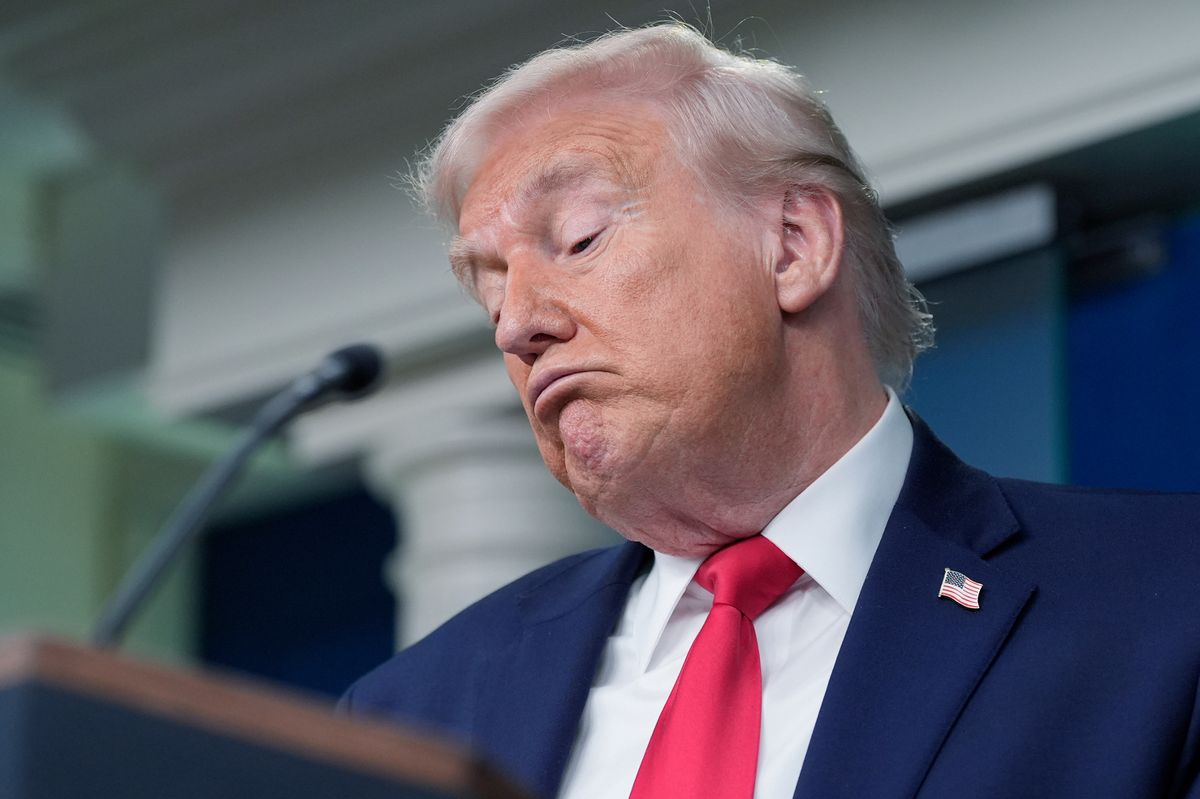
During a recent phone call, French President Emmanuel Macron informed Donald Trump about a significant development regarding a potential ceasefire in Ukraine. Macron conveyed that Ukrainian President Volodymyr Zelensky had agreed to a ceasefire proposal, which would last for 30 days. This moment was expected to signify a pivotal step toward peace amid ongoing tensions in the region.
In a video posted to X, Macron relayed the news to Trump, who responded with palpable excitement. “He’s accepted everything?” Trump asked, seemingly encouraged by the update. However, rather than focusing on the implications of the ceasefire, Trump quickly redirected the conversation to his own ambitions, exclaiming, “Ohhh, Nobel Prize, please.” This remark highlights Trump’s persistent interest in the prestigious award, which many believe is unlikely to materialize.
Despite being nominated for the Nobel Peace Prize, experts indicate that Trump’s chances of winning are slim. According to the Nobel Committee’s criteria, nominees must exemplify “the most or best work for fraternity between nations.” The deadline for nominations for the 2026 prize is January 31, 2025, suggesting that any potential recognition would still be some time away.
As of early 2026, historical patterns and expert opinions suggest that Trump’s likelihood of receiving the award remains low. The 2025 prize was awarded to Venezuelan opposition leader Maria Corina Machado, further diminishing Trump’s prospects. Nina Graeger, a researcher at the Peace Research Institute Oslo (PRIO), noted that Trump’s “America First” foreign policy, marked by a withdrawal from key international agreements like the WHO and the Paris Accord, contradicts the values upheld by the Nobel Committee.
When asked about Trump’s chances for the Nobel Prize, Graeger remarked that it was a “long shot,” primarily due to his rhetoric, which does not align with peaceful initiatives. She emphasized that his foreign policy decisions and public statements have not fostered an environment conducive to international cooperation.
Additionally, Trump has expressed dissatisfaction with being overlooked for the award. In a text message to Norwegian Prime Minister Jonas Gahr Støre, he mentioned no longer feeling “an obligation to think purely of Peace,” linking his frustration to past policy decisions, including his controversial interest in purchasing Greenland.
Trump’s fixation on the Nobel Prize raises questions about his priorities, particularly in relation to the ongoing conflict in Ukraine. Rather than leveraging the positive news regarding the ceasefire, he appears more concerned with personal accolades than the broader implications of peace negotiations.
As the situation evolves, it remains to be seen how these dynamics will impact not only the negotiations in Ukraine but also Trump’s quest for recognition on the global stage.