
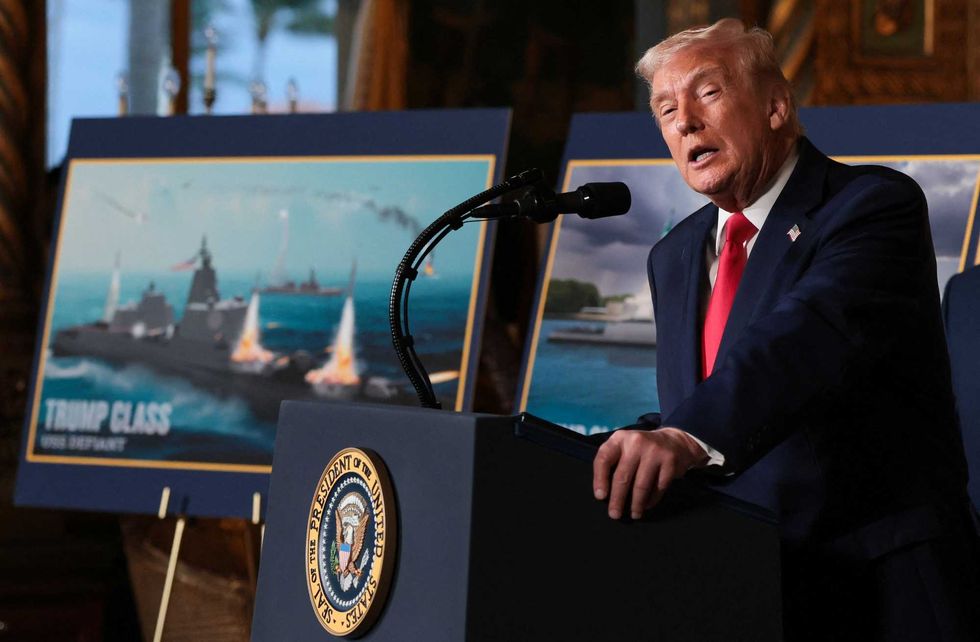
The Trump administration recently unveiled its new National Security Strategy (NSS), which outlines the government’s priorities in global affairs. While such documents often serve more as expressions of political philosophy than accurate predictors of policy, they can still signal prevailing attitudes and intentions. This NSS appears to reflect a heightened focus on the Western Hemisphere, intertwining domestic immigration policies with broader military strategies.
Many analysts argue that the real drivers of U.S. foreign and military policies are influenced by the interplay of various interest groups rather than strategic documents. The military-industrial complex (MIC), for instance, plays a pivotal role by leveraging campaign contributions, lobbying efforts, and job creation linked to military facilities to shape policy decisions. The influence of the MIC extends to media narratives and educational institutions, impacting how military actions are perceived.
Despite this entrenched influence, a growing number of organizations are beginning to challenge the militaristic agenda. Groups such as the Poor People’s Campaign, Veterans for Peace, and various antiwar organizations are mobilizing against the current trajectory of U.S. military policy. Their efforts are aimed at fostering a more peaceful and equitable society, advocating for the cessation of endless wars and reallocating resources towards pressing social needs.
Implications of the New Strategy Document
The release of the NSS has ignited discussions in mainstream media regarding the U.S. role on the international stage. The document outlines the administration’s objectives and provides insight into its worldview. More importantly, it invites scrutiny from those directly affected by militarized policies, urging a broader dialogue on the consequences of such approaches.
One notable aspect of the NSS is the accompanying letter from President Donald Trump, which emphasizes his administration’s achievements in what he describes as a resurgence of national strength. Trump claims credit for ending conflicts, asserting that he has resolved “eight raging conflicts” in various regions, including Armenia and India. However, many international observers remain skeptical of these assertions, questioning the accuracy of his claims regarding peace in these areas.
Furthermore, Trump’s strategy includes a focus on addressing what he labels as “radical gender ideology” in the military. This has led to the dismantling of programs aimed at combating discrimination, including efforts to reduce incidents of sexual assault within military ranks. According to a 2024 study by political geographer Jennifer Greenberg from the Costs of War Project at Brown University, over 70,000 cases of sexual assault were reported in the U.S. military during the years analyzed. This raises significant concerns about the administration’s commitment to addressing entrenched issues of discrimination and violence within the armed forces.
Western Hemisphere Focus and Military Actions
Perhaps the most striking feature of the NSS is its emphasis on the Western Hemisphere, which Trump has dubbed the “Donroe Doctrine,” a nod to the historical Monroe Doctrine. This focus coincides with aggressive immigration policies and a militarized approach to border security, which includes actions by Immigration and Customs Enforcement (ICE) that critics describe as unlawful.
The administration’s military posture has extended to operations against alleged drug trafficking in the Caribbean and South American waters, particularly targeting the Venezuelan government. Despite the lack of direct threats posed by Venezuela, the administration’s actions are reminiscent of past U.S. interventions, raising questions about the legality and morality of such military operations without Congressional approval.
Data from the Military Intervention Project at Tufts University indicates that the U.S. has engaged in military actions 30 times since 2001, often without legislative oversight. These interventions have not only resulted in significant financial costs—estimated at over $8 trillion—but have also led to substantial civilian casualties and long-term consequences for U.S. veterans.
While some observers hope the new strategy might signal a reduction in global military engagements, the reality remains uncertain. The NSS contains rhetoric that could suggest a pivot towards less intervention, yet it is unclear whether the administration will translate these words into actionable policies.
The challenges ahead involve mobilizing public sentiment against militarism and advocating for a re-evaluation of U.S. foreign policy. Building a coalition that encompasses various advocacy groups will be essential to countering the entrenched interests that continue to promote a militarized approach. As the dialogue around national security evolves, the pressing question remains whether the public interest can effectively challenge the powerful forces that sustain a perpetual state of conflict.
In conclusion, the newly released National Security Strategy offers a window into the Trump administration’s priorities, revealing a complex interplay between domestic policies and international military actions. The implications of these strategies will continue to unfold, with the potential for significant consequences both at home and abroad.