
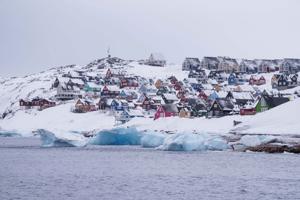
U.S. President Donald Trump has issued pointed threats regarding Greenland, raising significant concerns about the implications for NATO. This situation marks a potential shift in the alliance’s focus, which has traditionally concentrated on external threats rather than internal disputes among member nations.
The backdrop to this controversy is Trump’s long-standing interest in Greenland, an autonomous territory of Denmark. In 2019, the President notably expressed a desire for the United States to purchase the island, a proposition that was met with swift rejection from Danish officials. Now, as tensions rise, Trump’s rhetoric has escalated, suggesting possible military action.
NATO’s primary mission has been to ensure collective defense against external aggressors, notably in response to threats from countries like Russia. The alliance faces an unprecedented challenge if the conflict shifts to a matter of territorial sovereignty involving member states. This new dynamic could strain relations among NATO allies, as differing national interests come to the forefront.
Trump’s threats have sparked reactions from various NATO members. Some diplomats have expressed concern that such rhetoric undermines the foundational principles of the alliance, which relies on mutual respect and cooperation. As the situation develops, the potential for a military confrontation, while still speculative, cannot be entirely dismissed.
Geopolitical Consequences and Military Strategy
The geopolitical implications of Trump’s threats extend beyond Greenland itself. Analysts warn that increased tensions in the Arctic region could lead to a re-evaluation of military strategies among NATO members. The Arctic is becoming increasingly important due to its natural resources and strategic shipping routes, making it a focal point for international interests.
On February 20, 2024, the United States and Denmark are set to hold discussions about military cooperation in the Arctic. The outcome of these talks could significantly influence how NATO addresses security challenges in the region. Should the U.S. adopt a more aggressive stance, it may prompt other NATO members to reassess their military commitments and strategies.
The Arctic Council, which includes eight nations, is another critical player in this scenario. The council promotes cooperation and environmental protection in the Arctic, but the rising tensions could jeopardize those diplomatic efforts. As nations scramble to assert their claims, the risk of conflict increases.
The Role of International Diplomacy
International diplomacy will be essential in navigating this complex situation. Experts emphasize the need for dialogue to prevent escalation. Secretary General Jens Stoltenberg of NATO has called for unity among member states, urging them to work together in addressing both traditional and emerging threats.
The situation in Greenland serves as a reminder of the delicate balance within NATO. While the alliance has successfully countered external threats, internal disagreements pose a new challenge. If not managed carefully, these disputes could weaken NATO’s resolve and effectiveness.
As the international community watches closely, the unfolding events surrounding Greenland will likely shape the future of NATO and its approach to regional security. The need for strong diplomatic channels has never been more critical as member states navigate this unprecedented challenge.
In conclusion, President Trump’s threats regarding Greenland not only challenge NATO’s unity but also raise important questions about military strategy and diplomatic relations in the Arctic. As discussions progress, the emphasis on cooperation and dialogue will determine the alliance’s ability to adapt to these new realities.