
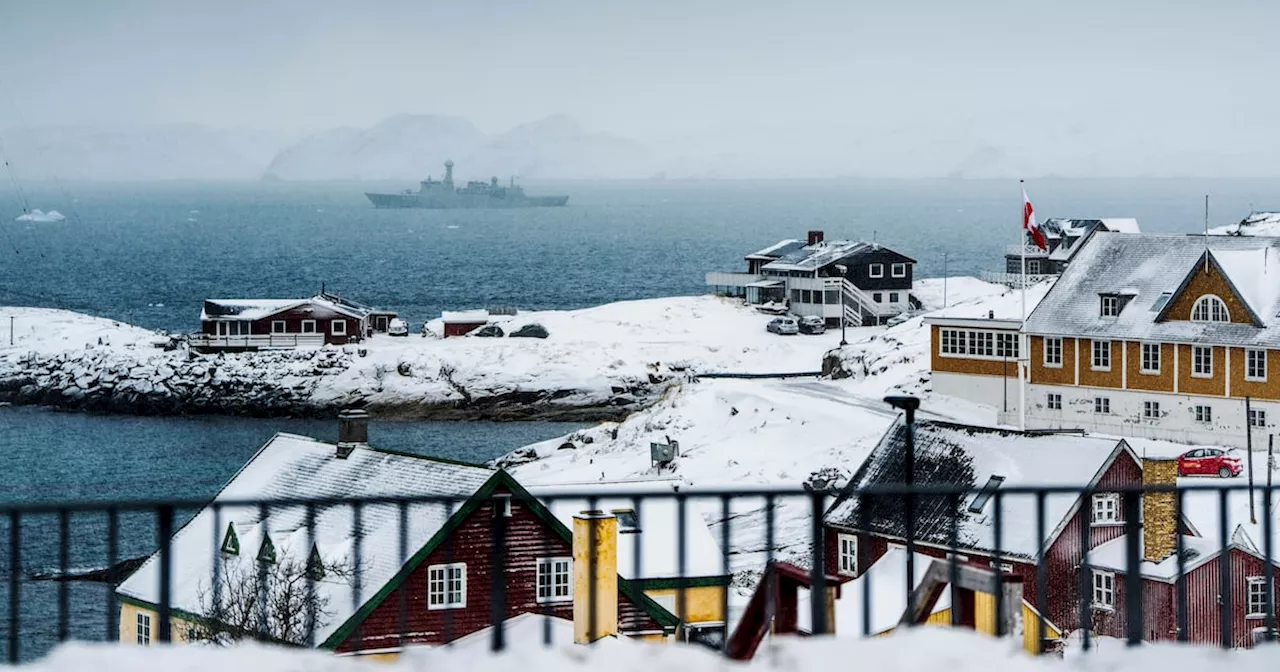
Recent comments from President Donald Trump regarding Greenland have ignited debate over the United States’ focus on the Arctic. The president has expressed a strong interest in acquiring Greenland, citing its potential mineral wealth, particularly critical and rare-earth minerals. This push raises questions about the U.S. government’s strategy, particularly when considering the vast mineral resources available in Alaska.
Alaska boasts significant deposits of critical minerals, yet the federal government appears to be slow in advancing exploration projects. Proposals aimed at developing these resources have been submitted to various agencies, including the National Science Foundation and the U.S. Department of Energy. Although these proposals are under review, the prolonged evaluation process has raised concerns about the commitment to Alaska’s mineral potential.
Alaska’s Untapped Resources
Alaska is known for its rich deposits of strategic minerals. One notable site is Cape Mountain on the Seward Peninsula, where substantial deposits of rare earth minerals have been identified. Despite the known potential, challenges such as complex processing requirements and high exploration costs have hindered development. Companies like Ucore are actively seeking government support to tap into these resources, but the lack of federal attention signals a broader issue.
While Trump focuses on Greenland, crucial mineral deposits in Alaska remain underutilized. For example, the National Petroleum Reserve-Alaska has been identified as a site with significant zinc deposits, yet it remains closed to private exploration. This raises questions about the administration’s priorities and strategic planning concerning America’s mineral security.
In a related effort, the Trump administration has provided funding to explore the Ambler Mining District in Northwest Alaska. This investment, however, has been criticized as potentially favoring specific companies, hinting at issues of transparency in decision-making.
Moreover, the administration’s approach to the Pebble Mine project, one of the largest undeveloped copper finds globally, has drawn opposition from tribal groups and environmentalists. The project’s suspension highlights a potential inconsistency in the administration’s priorities, as it remains unclear why such a critical resource is not at the forefront of discussion.
Global Implications and Local Voices
Trump’s fixation on acquiring Greenland raises concerns not only about U.S. energy security but also about the implications for international relations, particularly with NATO allies. The president’s ambition could undermine relationships with countries like Denmark, which governs Greenland, and could further serve the interests of adversaries such as Russia and China.
Additionally, the Inuit communities in Greenland have voiced their opposition to U.S. control, asserting their right to self-determination. This sentiment underscores a missed opportunity for collaboration with Alaska’s Inuit populations, who historically played a significant role in regional cooperation through initiatives like the Inupiat Circumpolar Conference.
In conclusion, while the administration’s pursuit of Greenland’s resources is framed as a strategic move for energy security, the lack of focus on Alaska’s rich mineral assets suggests a disjointed approach. With significant deposits waiting to be harnessed, there is a compelling case for prioritizing Alaska’s development before looking elsewhere. Emphasizing local resources could not only bolster U.S. energy security but also strengthen relationships with Indigenous communities who seek to play a role in the future of their land.