
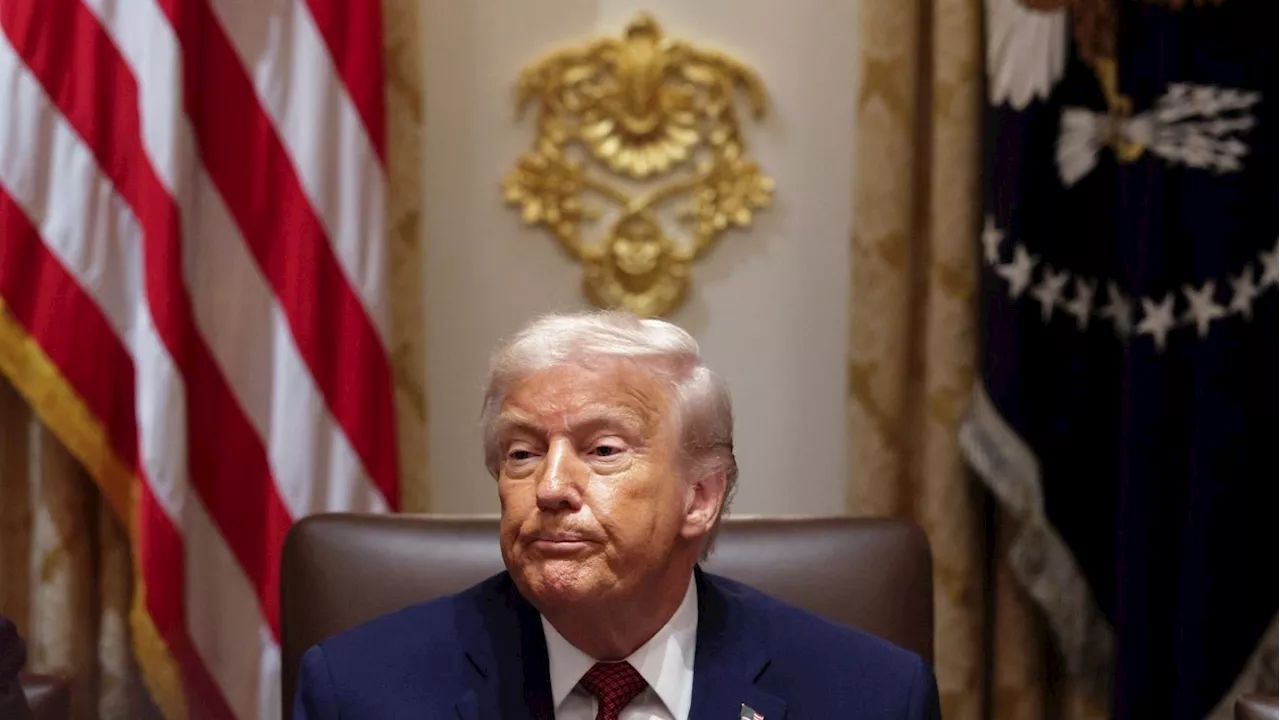
President Donald Trump is set to sign an executive order aimed at establishing a unified national framework for artificial intelligence (AI) regulation. This executive order intends to supersede existing state-level laws, which the President argues could impede innovation in the rapidly evolving AI landscape. The initiative comes in response to increasing concerns about AI safety, copyright issues, and the absence of comprehensive federal oversight.
In a social media announcement, Trump emphasized the necessity of a single regulatory system, stating, “There must be only One Rulebook if we are going to continue to lead in AI.” He criticized the current situation, where a diverse array of state laws could create confusion and hinder the development of AI technologies. “You can’t expect a company to get 50 approvals every time they want to do something. THAT WILL NEVER WORK!” he added.
Background on AI Regulation in the U.S.
The swift advancement of AI technology has outpaced federal legislative efforts, leaving a regulatory vacuum that states have begun to fill with varied and often conflicting laws. According to the Brennan Center for Justice, over 150 AI-related bills were introduced in the previous Congress, yet none became law. The current Congress has seen similar stagnation, prompting calls for a cohesive federal framework.
Supporters of a national regulatory approach argue that disparate state laws could potentially stifle innovation. Adam Kovacevich, founder and CEO of the Chamber of Progress, a tech industry policy coalition, expressed the need for federal action. He noted that existing state legislation often reflects a pessimistic view of AI, which does not align with public sentiment that largely favors harnessing AI’s benefits while managing its risks.
“To do this right, we really need federal action to establish a national regulatory framework for AI to preempt the states,” Kovacevich stated. He highlighted the urgency of aligning both Republican and Democratic legislators to create a comprehensive regulatory approach.
Challenges Ahead for Federal AI Regulation
Despite the push for a national standard, challenges remain. Ron DeSantis, Governor of Florida, recently introduced a state “AI Bill of Rights” and expressed skepticism regarding the effectiveness of Trump’s executive order. “An executive order doesn’t/can’t preempt state legislative action,” DeSantis remarked, indicating that meaningful regulatory change would require coherent legislation from Congress rather than unilateral action by the President.
Kovacevich echoed these sentiments, suggesting that establishing a federal standard would necessitate collaboration among congressional members from both parties. “I don’t expect that to happen until next year, but that’s the thing that needs to happen urgently,” he said.
As the landscape of AI continues to evolve, the implications of Trump’s planned executive order will be closely monitored by industry stakeholders and lawmakers alike. With the stakes high, the future of AI regulation in the United States hinges on the balance between fostering innovation and ensuring safety in this transformative technology.