
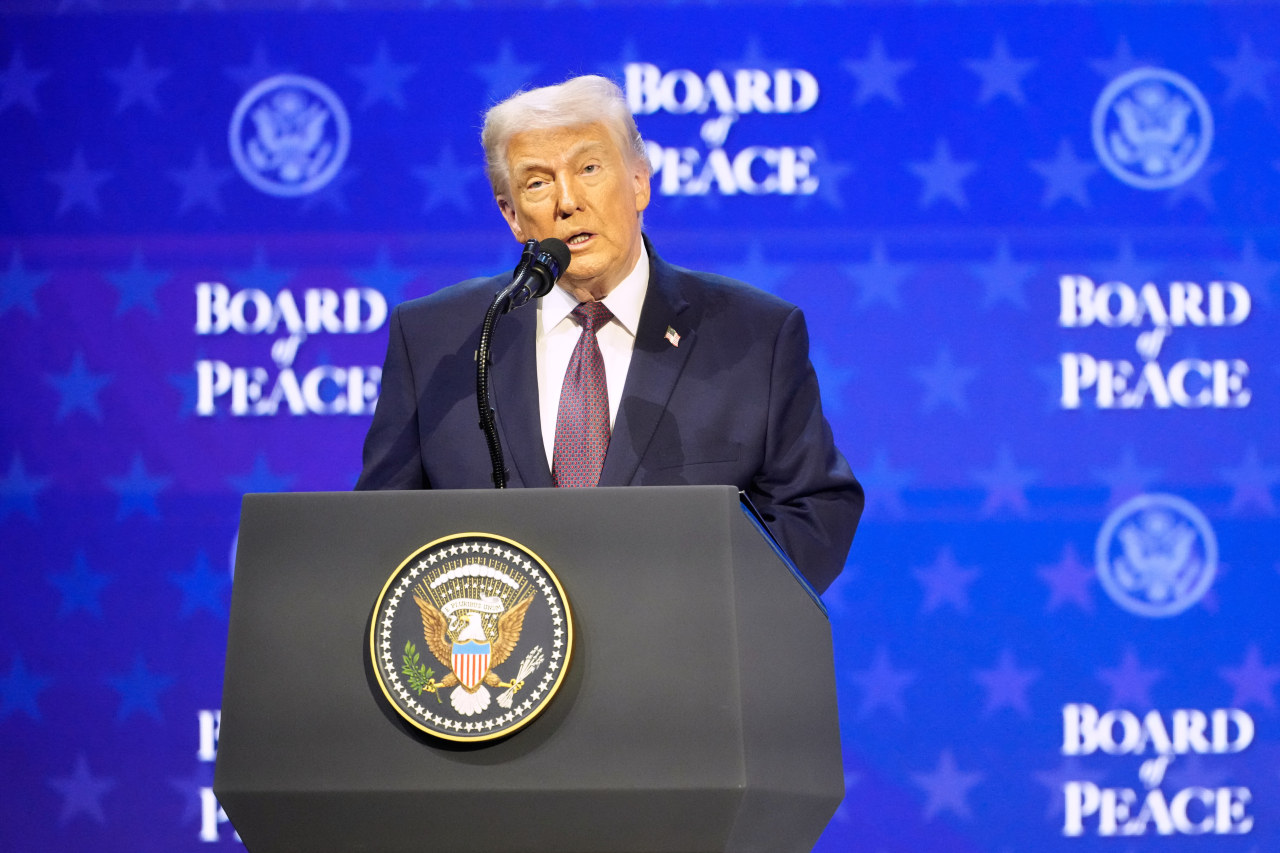
Former President Donald Trump continues to dominate headlines with his penchant for creating drama, a behavior that has raised concerns among political analysts and citizens alike. His recent actions suggest a deliberate attempt to maintain attention, particularly as he prepares for the upcoming 2024 U.S. Presidential Election.
Trump’s tendency to engage in provocative rhetoric and exaggerated claims has become a hallmark of his public persona. This was evident during his responses to the recent events surrounding the January 6, 2021 Capitol riots, where he has faced increased scrutiny over his role in inciting the violence. As investigations continue, he appears to thrive in the chaos, using it to galvanize his supporters while diverting attention from pressing issues facing the nation.
Creating a Culture of Conflict
Experts argue that Trump’s behavior reflects a broader strategy to exploit discontent among his base. According to CNN, he often frames his narrative around grievances, presenting himself as a victim of a political system that he claims is rigged against him. This approach not only energizes his followers but also serves to distract from the substantive challenges that his administration faced during his term.
In the context of a highly polarized political climate, Trump’s actions can be seen as both a tactic and a reflection of his personality. Many of his critics suggest that his need for constant drama stems from a fear of irrelevance. This dynamic complicates the political landscape, as his unpredictable behavior can have significant implications for the Republican Party and its future prospects.
The Impact on the GOP and Beyond
The divisive tactics employed by Trump have implications that extend beyond his immediate political ambitions. The GOP finds itself at a crossroads, grappling with the challenges posed by Trump’s continued influence. While some party members align closely with his messaging, others express concern that his approach could alienate moderate voters in crucial swing states.
As the 2024 election approaches, Republican leaders will need to navigate these tensions carefully. The party’s ability to unify its base while appealing to a broader electorate may very well determine its success in the coming months. Trump’s insistence on remaining a central figure in American politics complicates this balancing act, as he continues to draw attention to himself and his narrative.
The consequences of Trump’s actions reach beyond the confines of the political arena, affecting public discourse and societal norms. His frequent use of social media platforms to amplify his statements serves to normalize a style of communication that is often seen as combative. This evolution in political rhetoric raises questions about the future of political engagement in the United States.
In summary, Trump’s need to create drama appears to be a calculated maneuver to maintain relevance in a rapidly changing political landscape. As he continues to stir tensions and provoke reactions, the implications for both his party and the electorate will unfold in the months leading up to the election. The stakes are high, with the potential for lasting impacts on American democracy and political culture.