
Ahead of pivotal nuclear negotiations in Geneva, Switzerland, President Donald Trump announced he would play an “indirect” role in discussions with Iranian officials. Speaking to reporters aboard Air Force One, Trump emphasized the significance of the talks, stating, “I’ll be involved in those talks indirectly, and they’ll be very important. We’ll see what can happen. Typically, Iran’s a very tough negotiator.”
The negotiations on March 5, 2024, mark the second round aimed at addressing concerns over Iran’s nuclear program, with the United States seeking to impose limits on uranium enrichment. While Iran asserts that its nuclear ambitions are purely for civilian purposes, U.S. officials and their allies fear that the regime might leverage enriched uranium to develop nuclear weapons.
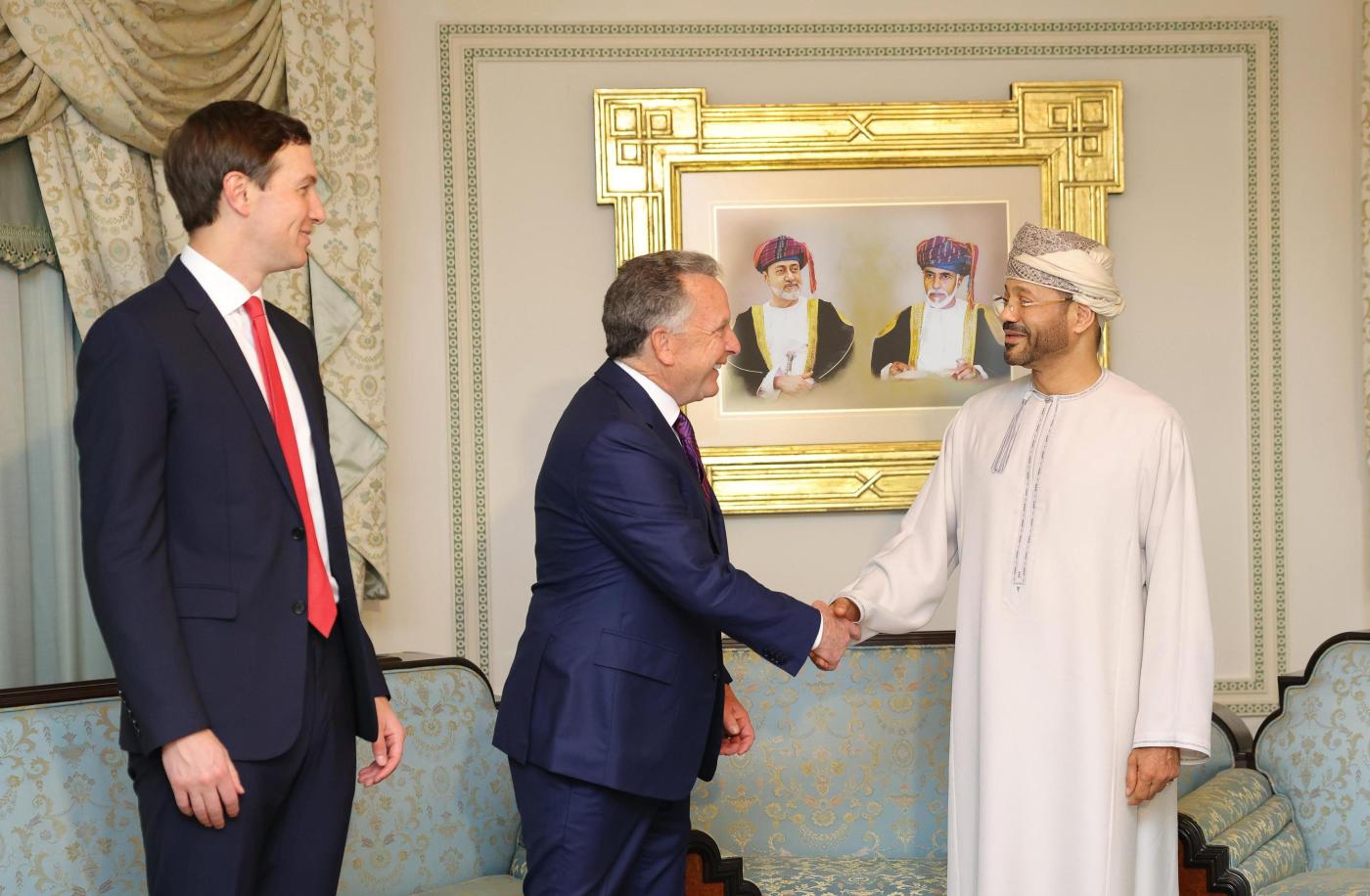
U.S. special envoy Steve Witkoff and Trump’s son-in-law, Jared Kushner, are participating in the talks, representing American interests. On the Iranian side, Abbas Araghchi, Iran’s Deputy Foreign Minister, is leading the delegation, while Badr Albusaidi, the Omani Foreign Minister, is acting as a mediator.
Key Points of Contention
One of the critical issues at stake is Iran’s ballistic missile program. Secretary of State Marco Rubio has previously indicated that discussions on these missile capabilities must be part of any meaningful negotiations. However, Iranian leaders have categorically rejected this point, emphasizing that their defense strategies are non-negotiable.
In a recent statement, Iran’s Supreme Leader, Ayatollah Ali Khamenei, dismissed U.S. threats, reinforcing Iran’s stance against foreign pressure. Khamenei remarked, “The strongest military in the world may sometimes be slapped so hard it cannot get up,” referring to Trump’s military posturing in the region.
In recent weeks, tensions have escalated, culminating in Trump’s warning that failure to reach a nuclear deal would result in severe consequences for Iran. In preparation for potential conflict, the U.S. has increased its military presence in the Middle East.
As part of this buildup, Trump has ordered the deployment of the USS Gerald R. Ford, the world’s largest aircraft carrier, alongside the USS Abraham Lincoln carrier strike group. U.S. officials confirmed that this significant military move aims to bolster deterrence should negotiations falter.
The outcome of these discussions is uncertain, but both sides have much at stake. The ongoing negotiations not only address nuclear proliferation but also broader regional stability and security concerns.
As the dialogues unfold, the international community remains watchful for developments that could reshape the geopolitical landscape in the Middle East.