
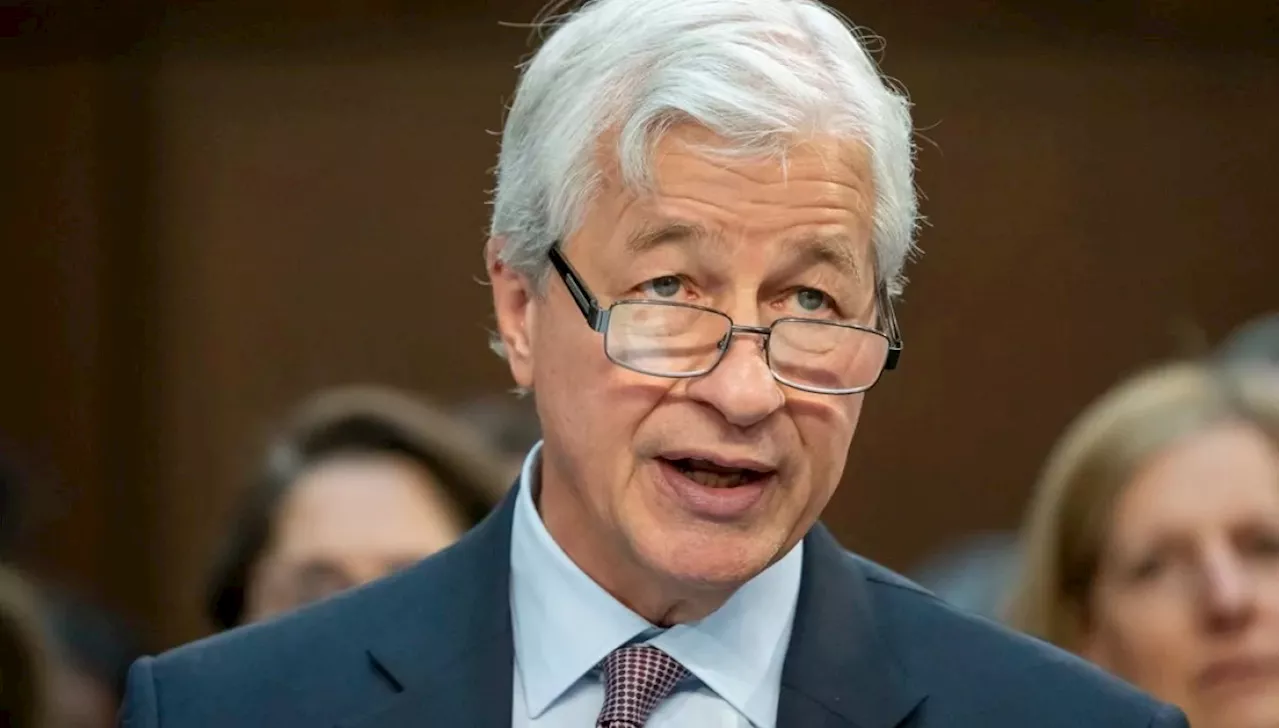
President Donald Trump has filed a lawsuit seeking $5 billion in damages against JPMorgan Chase and its CEO Jamie Dimon, claiming the bank improperly closed his personal and business accounts following the January 6, 2021, Capitol riots. The lawsuit alleges that the bank’s actions were politically motivated, a charge that JPMorgan Chase has categorically denied.
Trump’s legal action comes in the context of what he describes as a campaign against him by various entities, including financial institutions. He asserts that the closure of his accounts was not based on legitimate concerns but rather on political bias. The lawsuit does not claim that JPMorgan Chase violated any laws in terminating Trump’s accounts, which is a common practice among banks that reserve the right to close accounts at their discretion.
JPMorgan Chase maintains that the decision to deactivate accounts associated with Trump was made to mitigate potential legal and regulatory risks. The bank has stated that it does not make such decisions based on political affiliations. In a recent statement, the bank emphasized its commitment to complying with all relevant regulations and laws.
Legal and Regulatory Context
The lawsuit raises important questions about the intersection of banking practices and political considerations. Trump’s legal team suggests that the closure of his accounts could be a result of heightened scrutiny and pressure from federal authorities, particularly in light of ongoing investigations into his activities. This perspective aligns with broader concerns regarding the influence of government on private financial entities, especially in highly regulated industries like banking.
Federal regulations, particularly those outlined in the Bank Secrecy Act, empower banks to act preemptively in closing accounts that may pose perceived risks. Such regulations require banks to report suspicious activity and can lead to significant legal repercussions if they fail to identify financial misconduct. As a result, financial institutions often take a conservative approach to account management, especially when it comes to high-profile clients.
The legal landscape surrounding Trump is complicated by the ongoing investigations led by the Justice Department and various state prosecutors. This environment may have contributed to JPMorgan Chase’s decision-making process regarding Trump’s accounts, although the bank has not publicly acknowledged any external pressures influencing its actions.
Implications of the Lawsuit
The outcome of Trump’s lawsuit could have broader implications for both the banking industry and political discourse in the United States. If the court finds that JPMorgan Chase acted out of undue political influence, it may set a precedent for how banks manage accounts of politically exposed individuals. Conversely, if the court rules in favor of the bank, it may reinforce the notion that financial institutions can exercise discretion in their client relationships without fear of legal consequences.
Regardless of the lawsuit’s outcome, the proceedings may serve as a platform for Trump to highlight perceived injustices he faces, further galvanizing his supporter base. The discovery process could unveil insights into the inner workings of both the bank and the federal investigations into Trump, potentially revealing how political pressures shape corporate decisions.
In conclusion, Trump’s lawsuit against JPMorgan Chase and Jamie Dimon is not merely a legal battle over account closures; it reflects deeper tensions between politics and finance in a highly charged environment. As the legal process unfolds, all eyes will be on the implications for both Trump and the banking sector, as well as the broader questions of political accountability and business ethics.