
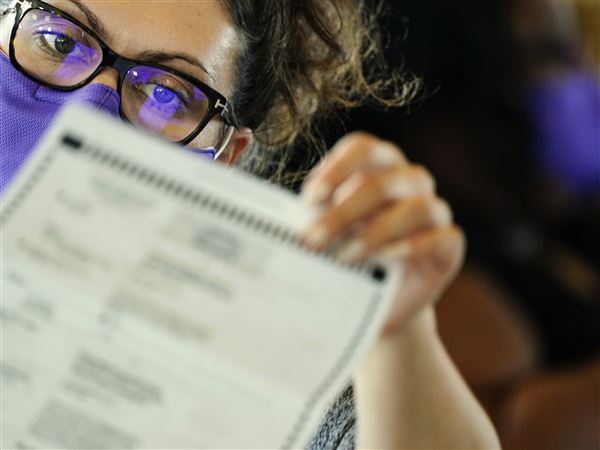
The U.S. Department of Justice is pursuing a review of voter records in Fulton County, Georgia, as part of an investigation into alleged election fraud during the 2020 presidential election. This move has raised concern among officials and citizens alike, who question the motives behind such an extensive search for information.
The Justice Department’s request comes amidst heightened scrutiny of the electoral process in various states following the contentious election. Specifically, the department aims to determine whether any irregularities occurred that could substantiate claims of fraud. Donald Trump and his allies have long asserted that widespread fraud took place, despite numerous investigations concluding otherwise.
In Fulton County, the local Secretary of State has expressed reservations regarding the request. Officials are concerned about the implications for voter privacy and the potential chilling effect on future participation in elections. This sentiment echoes broader national debates about election integrity and transparency, which have intensified since November 3, 2020.
Implications of the Investigation
The Justice Department’s actions could have significant implications for the political landscape in Georgia and beyond. If the investigation leads to findings that support fraud claims, it could further complicate the already polarized environment surrounding voting rights and electoral processes. Conversely, if the investigation fails to uncover any evidence of wrongdoing, it may serve to reinforce existing legal and procedural safeguards.
Many observers argue that the investigation may be politically motivated, aimed at appeasing a faction of the Republican base that continues to support Trump’s narrative of a fraudulent election. Skeptics point to the numerous court cases dismissed for lack of evidence, suggesting that the department’s resources could be better allocated.
Moreover, the timing of this request raises eyebrows. With upcoming elections on the horizon, the potential for increased scrutiny and the politicization of voter records might deter eligible voters from participating in future elections.
Public Response and Concerns
Public reaction to the Justice Department’s request has been mixed. While some support the investigation as a necessary step toward ensuring electoral integrity, others see it as an unwarranted invasion of privacy. Advocacy groups are calling for transparency in the investigation process, emphasizing the need for safeguards to protect voter information.
As this situation unfolds, it is crucial for officials to balance the need for transparency with the rights of citizens. The implications of this investigation extend far beyond Georgia, potentially influencing electoral processes nationwide.
In this context, the Justice Department faces the challenge of addressing allegations of fraud while maintaining public trust in the electoral system. As the investigation progresses, stakeholders will be watching closely to evaluate the outcomes and their broader implications for democracy in the United States.