
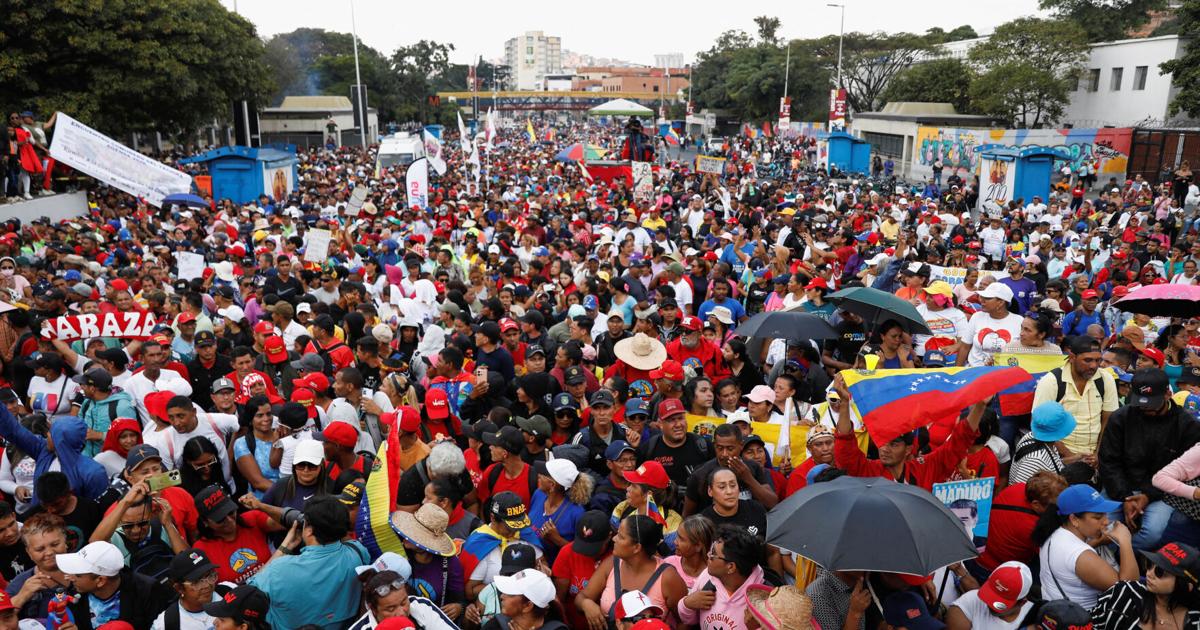
The humanitarian situation in Venezuela has escalated to a critical juncture, compelling international leaders, including former President Donald Trump, to take a more active role in addressing the crisis. As millions of Venezuelans continue to suffer from severe shortages of food and medicine, the global community faces increasing pressure to respond effectively.
In a historical context, the gravity of ownership over a nation’s future was encapsulated by the late General Colin Powell during a conversation with President George W. Bush. Powell remarked, “You are going to be the proud owner of 25 million people. You will own all their hopes, aspirations and problems. You’ll own it all.” This sentiment resonates today as the Venezuelan crisis demands international attention and action.
Venezuela has been in turmoil for several years, marked by political instability and economic collapse. According to the United Nations, approximately 7 million people have fled the country since 2015, creating a significant refugee crisis in Latin America. Many neighboring countries, including Colombia and Brazil, are now facing the consequences of this mass exodus, straining their resources and infrastructures.
The humanitarian crisis in Venezuela is characterized by alarming statistics. Over 90% of the population is reported to live in poverty, and malnutrition rates among children have reached critical levels. Access to basic healthcare has diminished, and infectious diseases are resurging due to the lack of medical supplies and vaccinations. The situation has drawn condemnation from various human rights organizations, highlighting the urgent need for international intervention.
As the crisis deepens, the international community is called upon to provide humanitarian aid. Various organizations, including the International Red Cross and Médecins Sans Frontières, have been working to deliver essential supplies. However, the political landscape in Venezuela complicates these efforts. The government, led by Nicolás Maduro, has been resistant to foreign intervention, viewing it as an infringement on sovereignty.
The United States has historically played a significant role in Latin American affairs. The Trump administration was criticized for its approach to Venezuela, which included sanctions aimed at the Maduro regime. These measures, while intended to pressure the government, have also raised concerns about their impact on the civilian population. Critics argue that comprehensive strategies are needed to ensure that humanitarian assistance reaches those who need it most without exacerbating the suffering of ordinary Venezuelans.
Looking ahead, the situation remains dire. Analysts warn that without a cohesive international response, Venezuela’s plight may worsen. The Biden administration has indicated a willingness to reassess its approach to Venezuela, acknowledging the complexities involved in addressing the crisis.
In February 2024, as discussions surrounding Venezuela intensify, the need for a unified global strategy becomes increasingly clear. The fate of the Venezuelan people may hinge on the actions taken by international leaders, including Donald Trump, who now faces the responsibility of addressing a humanitarian crisis that demands immediate and thoughtful engagement.
The future of Venezuela lies not just in the hands of its leaders but also in the collective actions of the international community. As the world watches, the urgency to act cannot be overstated.