
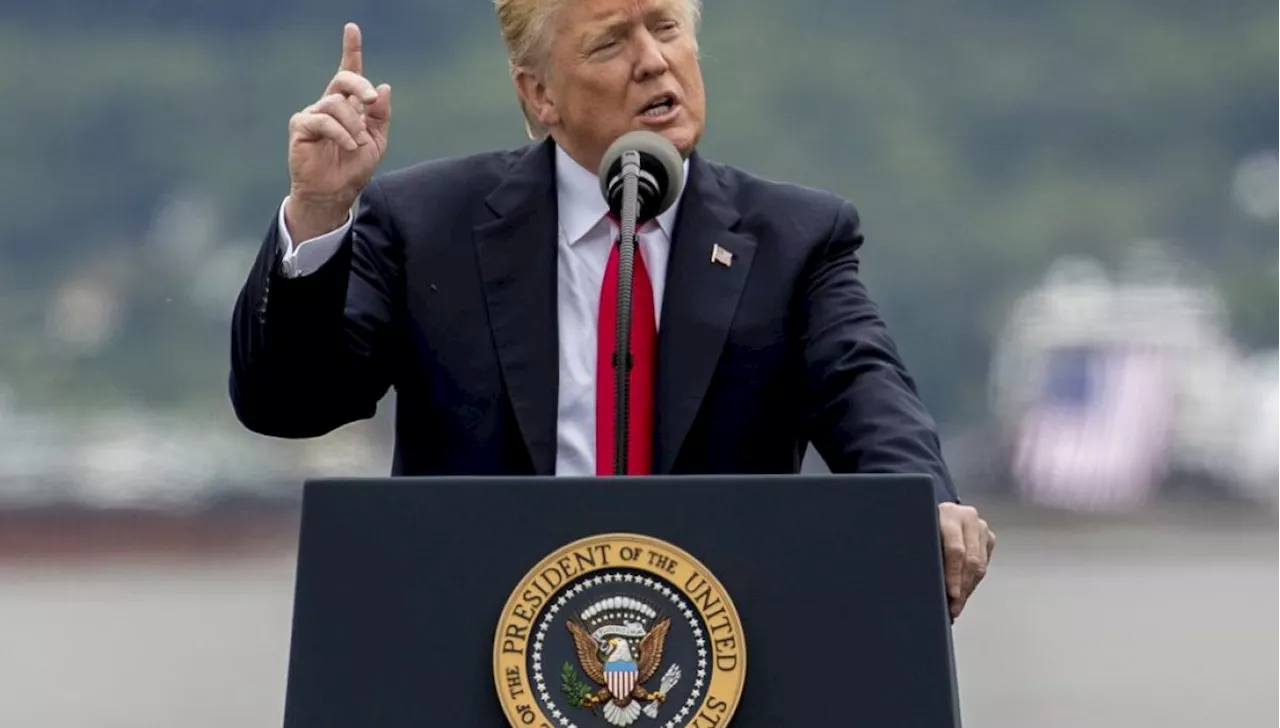
BREAKING: President Donald Trump has just signed a new proclamation expanding the travel ban to a total of 17 countries, aiming to enhance national security through what officials describe as “data-driven restrictions.” The latest restrictions, confirmed earlier today, add Burkina Faso, Mali, Niger, South Sudan, and Syria to the existing list of banned nations.
The White House emphasized that these measures are necessary to mitigate risks posed by foreign nationals lacking sufficient vetting. This expansion comes on the heels of increased concerns regarding national security, particularly following a recent shooting incident involving National Guard members near the White House.
The full list of banned countries now includes Afghanistan, Burma, Chad, Republic of Congo, Equatorial Guinea, Eritrea, Haiti, Iran, Libya, Somalia, Sudan, and Yemen. The Trump administration has also prohibited individuals with travel documents issued by the Palestinian Authority from entering the U.S.
Authorities cite “widespread corruption, fraudulent civil documents, and criminal records” as justification for the expanded travel ban. The latest measures come after heightened scrutiny of the U.S. immigration system, especially in light of a troubling incident involving a former Afghan ally who was airlifted to safety in 2021 and later approved for asylum. This incident has sparked debate over the vetting processes in place.
The White House declared that these actions are crucial for garnering cooperation from foreign governments and advancing U.S. foreign policy and counterterrorism objectives. Officials have stated that the security of American citizens is paramount, and these measures are a direct response to perceived threats.
As of now, an additional 15 countries are facing partial travel bans, including Angola, Antigua and Barbuda, Benin, Côte d’Ivoire, Dominica, Gabon, Gambia, Malawi, Mauritania, Nigeria, Senegal, Tanzania, Tonga, Zambia, and Zimbabwe.
The implications of this expanded travel ban are significant, affecting thousands of individuals and families. The urgency surrounding national security continues to resonate strongly in the current political climate, and the ramifications of these new restrictions are likely to be felt both domestically and internationally.
Stay tuned for more updates as this developing story unfolds.