
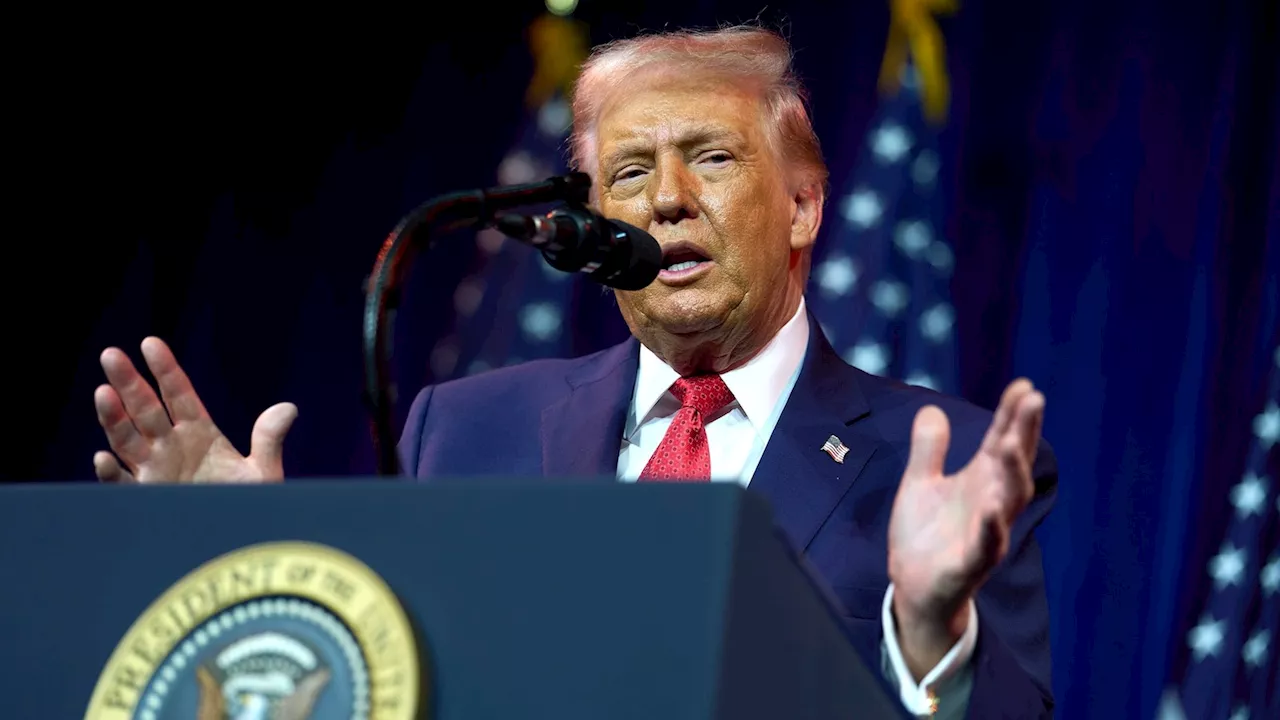
A recent operation in Venezuela led to the ousting of President Nicolas Maduro, with U.S. President Donald Trump disclosing that he had engaged in discussions with oil companies prior to the action. However, he opted not to inform lawmakers in advance, citing concerns about potential leaks. This operation, described by the Trump administration as a law enforcement action, has raised questions regarding transparency and congressional oversight.
On March 2024, a White House official confirmed that oil executives are set to meet with Trump to discuss potential investments in Venezuela. Trump stated that he had conversations with “all” oil companies “before and after” the raid, although he clarified that they were not informed of the specific operation beforehand. “The oil companies were absolutely aware that we were thinking about doing something,” Trump remarked during a flight on Air Force One.
When pressed on whether he briefed the oil companies prior to the military operation, Trump responded, “No. But we’ve been talking to the concept of, ‘what if we did it?’” Despite these claims, U.S. oil firms have not confirmed having held such discussions with the president. A Chevron spokesperson stated they had “no advance notice of the recent operation,” emphasizing the company’s compliance with all relevant laws.
Following the operation, Trump suggested a significant U.S. role in Venezuela’s oil industry, asserting that the U.S. would “run” the country for an unspecified duration. He indicated that American oil companies would take measures to extract wealth from Venezuelan oil reserves, which are the largest in the world, amounting to approximately 303 billion barrels.
In a statement, ConocoPhillips indicated they are monitoring developments in Venezuela, noting it would be premature to speculate on future business activities. Meanwhile, Exxon Mobil did not respond to requests for comment concerning their potential interactions with Trump.
The Trump administration has characterized the military action as a law enforcement function rather than a traditional military operation. Maduro and his wife, Cilia Flores, are among six defendants named in a recent indictment accusing them of collaborating with drug traffickers over the past 25 years. Maduro has consistently denied the allegations and pleaded not guilty to the charges.
In light of the operation, Trump faced criticism from some members of Congress for failing to notify them prior to the action. During a press conference at his Mar-a-Lago residence, Trump explained that he refrained from briefing lawmakers due to their “tendency to leak,” which he argued could jeopardize the mission’s success.
Senator Marco Rubio, a key figure in the administration, supported this approach, stating, “It’s just not the kind of mission that you can pre-notify because it endangers the mission.” He noted that Congress was contacted “immediately” after the operation’s execution.
Reactions among lawmakers varied, with Senate Majority Leader John Thune praising the operation as a “decisive action,” while House Speaker Mike Johnson affirmed that prior congressional approval was not necessary in this instance. Conversely, Democratic Senator Chris Murphy criticized Trump’s lack of transparency, indicating a failure to provide explanations regarding the operation’s rationale.
The War Powers Resolution of 1973 mandates that the president must inform Congress within 48 hours of initiating military action. After 60 days, the president must cease military operations unless further congressional approval is obtained. However, Congress has not authorized military force in the case of Venezuela.
Venezuela’s vast oil reserves present potential opportunities for U.S. energy companies, and Trump has indicated that U.S. firms would invest billions to repair the nation’s oil infrastructure. “We’re going to have our very large United States oil companies — the biggest anywhere in the world — go in, spend billions of dollars, fix the badly broken infrastructure,” he stated.
As the situation develops, both Chevron and ConocoPhillips remain focused on compliance with laws and regulations while monitoring the implications for global energy supply and stability. The unfolding events in Venezuela could have significant ramifications for U.S. foreign policy and the international oil market.