
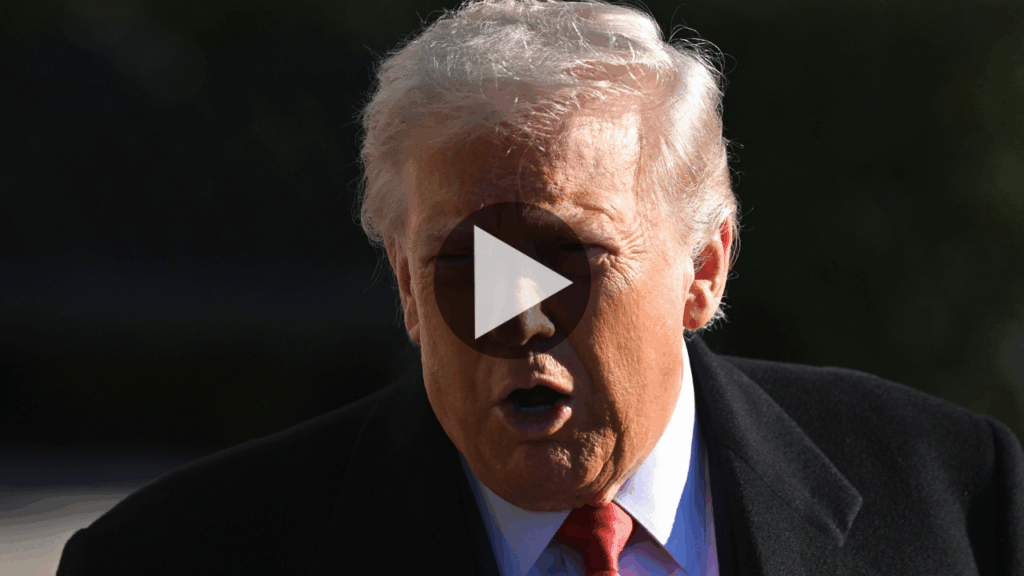
Former President Donald Trump has publicly criticized major defense contractors, demanding quicker production timelines for military equipment. This statement, made during a rally in October 2023, highlighted his frustration with the pace at which defense firms are fulfilling contracts with the U.S. Department of Defense. Trump’s remarks come amid ongoing geopolitical tensions, which he argues necessitate a more rapid response from defense suppliers.
During his speech, Trump specifically called out prominent companies such as Lockheed Martin, Northrop Grumman, and Raytheon. He expressed concern that delays in production could jeopardize national security. “We need our defense industry to step up,” Trump stated, emphasizing the urgency of meeting military demands in an increasingly unstable world.
While Trump’s comments reflect a growing frustration within some political circles regarding defense procurement processes, they also resonate with a broader public sentiment. The defense industry has often faced criticism over lengthy production times and budget overruns, leading to calls for reform.
In his speech, Trump argued that the current pace of production is unacceptable given the global challenges facing the United States. He pointed to recent conflicts and rising tensions in various regions as justification for his demands. According to Trump, the nation cannot afford to wait for essential military equipment, such as advanced fighter jets and missile defense systems.
The defense sector, which has long been a cornerstone of the U.S. economy, contributes significantly to both employment and technological advancements. In 2022, the defense industry generated approximately $877 billion in revenue, a figure that highlights its importance. However, the sector has also faced scrutiny over its ability to deliver products efficiently, which critics argue undermines the military’s operational readiness.
Trump’s remarks come at a crucial time when the U.S. is in discussions about potential increases in defense spending for the upcoming fiscal year. Lawmakers are currently evaluating budget proposals that could affect how resources are allocated to defense contractors. The former president’s push for expedited production may influence these discussions, as he aims to rally support for a more aggressive approach to military readiness.
Analysts suggest that Trump’s criticisms could lead to increased pressure on defense firms to enhance their production capabilities. In response to concerns raised by both Trump and other politicians, defense contractors have begun implementing measures to streamline their manufacturing processes. This includes investing in new technologies and expanding production facilities to meet demand more effectively.
While the defense industry has made strides in recent years, the challenges of meeting government expectations remain significant. The complex nature of defense contracts often involves lengthy approval processes and stringent regulations that can slow down production timelines.
As Trump continues to advocate for faster production rates, the implications for defense contractors could be substantial. If successful, these demands may reshape the way the industry operates, pushing firms to adopt more agile methodologies in their manufacturing processes.
In conclusion, Trump’s recent criticisms of the defense industry underscore a growing urgency for faster production of military equipment. With ongoing geopolitical tensions and potential increases in defense spending on the horizon, the response from major defense firms will be closely monitored. The outcome of this dialogue will likely influence not only national security policies but also the future landscape of the defense industry itself.