
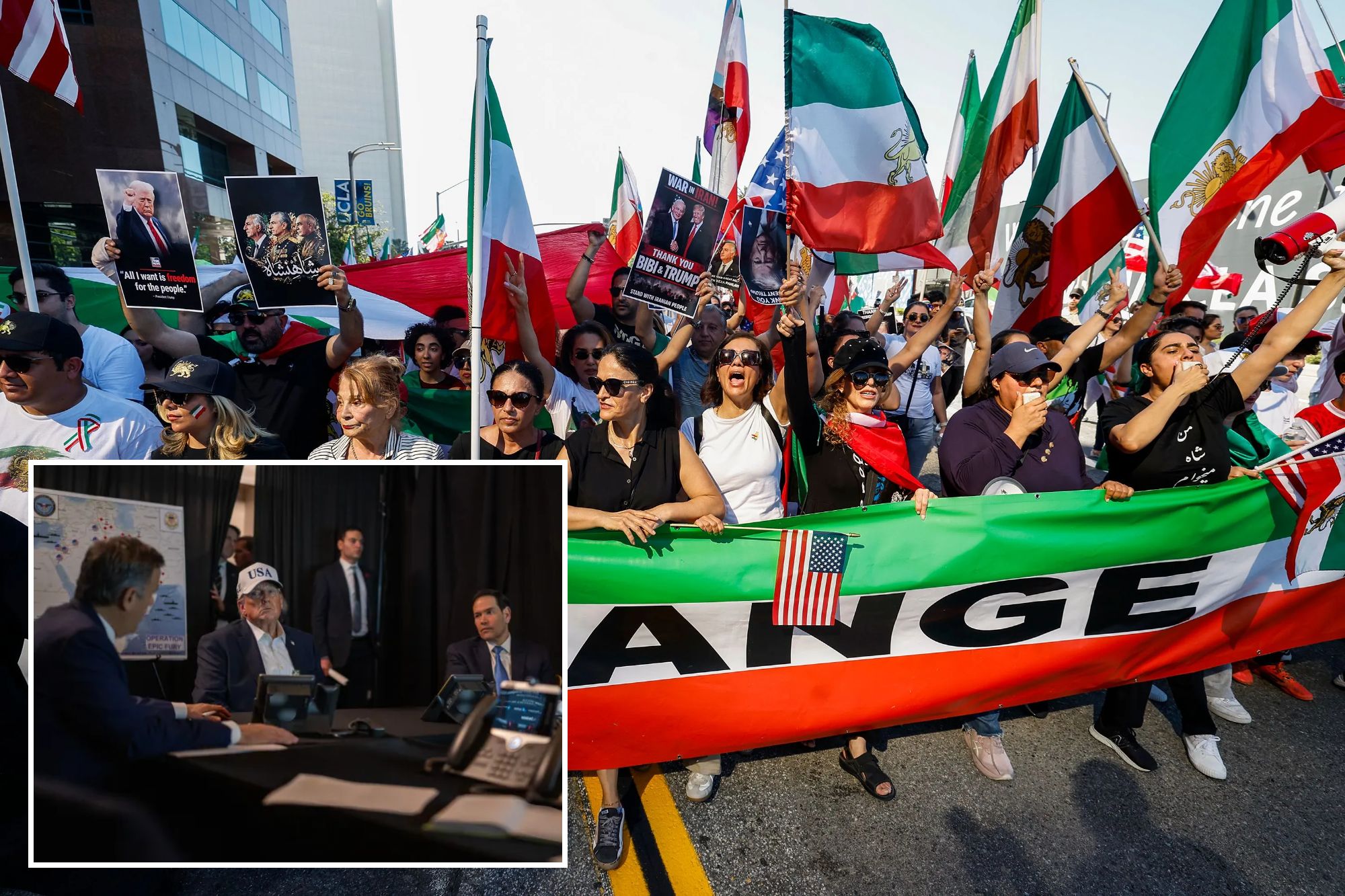
President Donald Trump expressed confidence in achieving a diplomatic agreement with Iran following the death of Supreme Leader Ali Khamenei on January 6, 2024. In an interview with CBS News journalist Robert Costa, Trump stated that the circumstances have shifted significantly, making negotiations “much easier now than it was a day ago.” He attributed this change to the current challenges facing Iran, noting, “they are getting beat up badly.”
Trump’s comments come in the wake of military strikes that resulted in Khamenei’s death, a key turning point in Iranian leadership, as the Ayatollah held decisive power over the nation’s political and public affairs. When asked about the future leadership of Iran, Trump indicated that he is aware of who is currently in charge but refrained from disclosing specific names, saying, “I know exactly who, but I can’t tell you.” He did mention, however, that there are “good candidates” poised to succeed Khamenei.
The president acknowledged the regional turmoil stemming from Iranian counter-strikes, which he described as anticipated. “It’s what we expected,” he said. Yet, he remarked that the retaliation was less extensive than US military planners had forecasted, claiming, “Less than we thought, actually. We thought it’d be double.” This assertion suggests a potential underestimation of Iran’s immediate military response.
Despite the ongoing tensions, Trump expressed his willingness to collaborate with Congress regarding any future military actions in Iran. He emphasized his desire to maintain a cooperative relationship, stating, “I always want to work with Congress. Always. I’ve always worked with Congress.” Notably, he stopped short of labeling the military strikes as a “war,” which may reflect an effort to navigate the complex political landscape surrounding military engagement.
As the situation evolves, the international community is closely monitoring the developments in Iran and the United States’ response. The implications of Khamenei’s death could reshape diplomatic relations in the Middle East, raising questions about the future direction of Iran under new leadership. The coming days may prove pivotal in determining whether Trump’s optimistic outlook on diplomacy can be realized.