
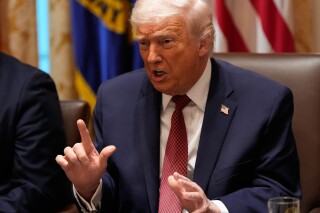
UPDATE: President Donald Trump has just backtracked on his previous commitment to release video footage of a controversial military strike in the Caribbean Sea that resulted in the deaths of eleven individuals. During a press conference on Monday, Trump stated he would defer the decision to Defense Secretary Pete Hegseth, despite having claimed last week that he saw “no problem” with releasing the footage.
This latest development comes amid growing scrutiny from lawmakers on Capitol Hill, where the Pentagon faces demands to disclose unedited video of the September 2, 2023 operation. The strike was part of a broader campaign targeting drug smugglers linked to cartels, including those associated with Venezuelan President Nicolás Maduro. As the military intensifies its operations, the administration has confirmed at least 87 deaths across 22 known strikes in the region.
“They were trying to return the boat back to where it could float, and we didn’t want to see that because that boat was loaded up with drugs,” Trump asserted, justifying the decision to fire a second missile during the attack. His remarks come as Democratic lawmakers, including Rep. Jim Himes and Rep. Adam Smith, have expressed their deep concerns about the legality and morality of the strike.
The Pentagon has yet to respond to inquiries regarding the status of Hegseth’s review or confirm Trump’s claims about the actions of the suspects involved. Hegseth, speaking on Fox News over the weekend, emphasized the need for responsibility in any potential release of the footage but did not commit to making it public.
On Capitol Hill, tensions are rising as lawmakers threaten to withhold a portion of Hegseth’s travel budget—worth $900 billion—if the Pentagon fails to comply with demands for transparency. The proposed measure is included in an upcoming defense bill, with a vote expected later this week.
Senator Tom Cotton, leading the Senate Intelligence Committee, indicated he would not oppose the release of the footage, reflecting a split among lawmakers on the legality of the military’s actions. While he found the footage “not distressing or disturbing,” Himes described it as “profoundly shaking,” revealing the emotional weight of the events captured on camera.
As the situation unfolds, the implications of the U.S. military’s operations against drug cartels are profound. Trump has framed the campaign as an essential part of combating the flow of fentanyl and other illegal substances into the United States, asserting that the nation is in an armed conflict with what he terms “narco-terrorists.” The stakes are high, and the calls for accountability grow louder.
This developing story highlights the urgent need for clarity and transparency from the administration as the public and lawmakers alike demand answers about the actions taken in the Caribbean Sea. As investigations continue, the focus remains on the potential release of the footage, which could have significant legal and political repercussions.
Stay tuned for more updates as this story develops.