
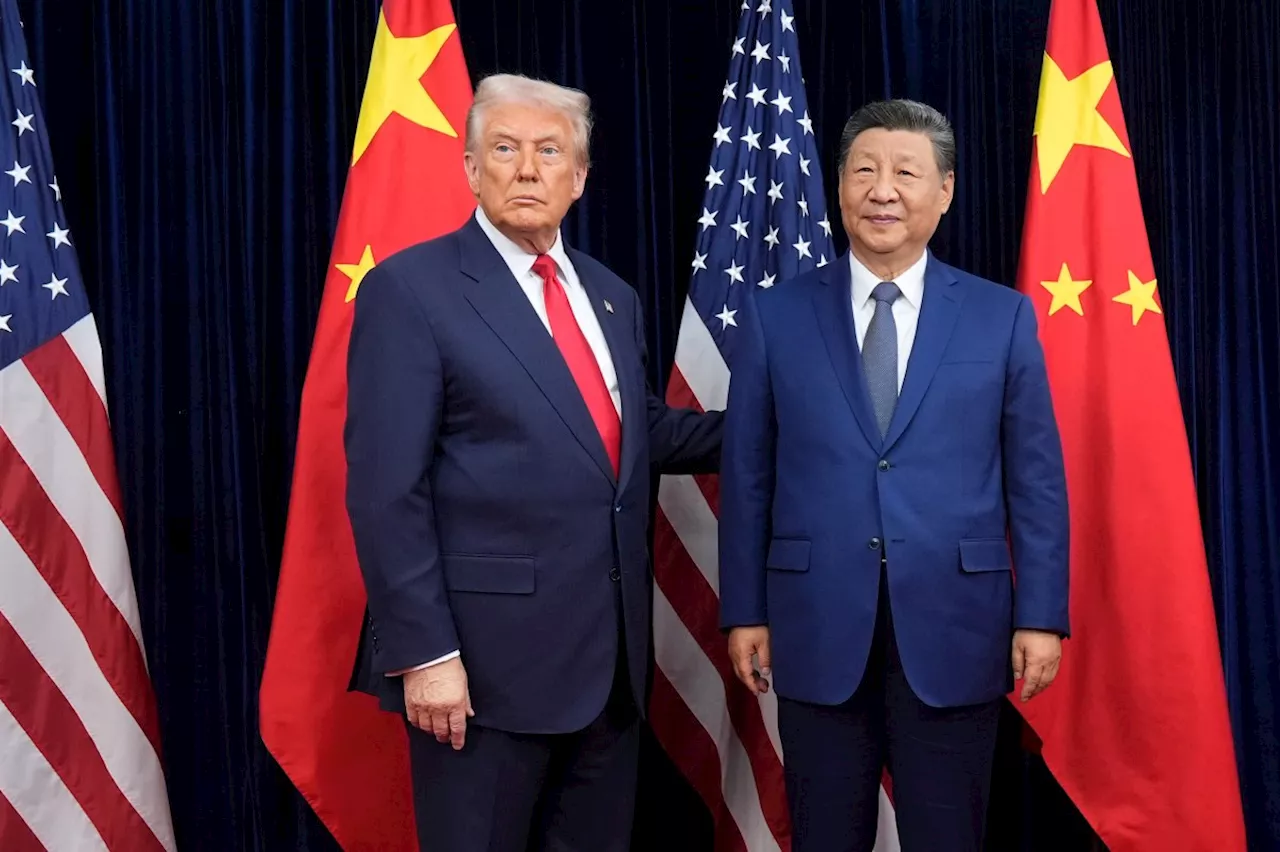
During a significant phone call on Wednesday, Chinese President Xi Jinping urged U.S. President Donald Trump to exercise “extreme caution” regarding arms sales to Taiwan. This conversation highlights the sensitive nature of Taiwan in U.S.-China relations, as both leaders aim to maintain stability in their bilateral ties. The call comes in the wake of ongoing trade tensions and ahead of a planned Trump visit to China later this year.
Chinese Concerns Over Taiwan
According to China’s state broadcaster CCTV, Xi emphasized that the Taiwan issue is “the most important” matter in the relationship between the two countries. He reiterated Beijing’s firm stance against any military support for Taiwan, underscoring that China would never accept the island’s separation from its territory. This reflects China’s long-standing position on Taiwan, which it views as a breakaway province.
Despite not recognizing Taiwan as a sovereign state, the United States is obligated by law to provide defensive weapons to the self-governing island. This complicated dynamic adds layers to the discussions between Trump and Xi, as both leaders expressed a desire for improved communication and cooperation.
Trump’s Commitment to Stability
In the same call, Trump characterized the relationship between the United States and China as the “most important” in the world. He acknowledged Xi’s concerns regarding Taiwan and indicated a commitment to fostering “good and stable development” in U.S.-China relations. The Chinese readout of the phone call emphasized Trump’s respect for Xi and his willingness to enhance cooperation during his presidency.
While the White House has yet to release its own detailed account of the call, the positive tone reported by both parties suggests a mutual interest in addressing differences constructively. The dialogue follows a period of strained relations due to tariffs imposed by the Trump administration, which had previously escalated tensions between Washington and Beijing.
Chinese media reported that Xi highlighted the importance of ongoing dialogue and effective management of their differences, particularly with upcoming global events like the APEC and G20 summits providing opportunities for further engagement. This context underscores both leaders’ efforts to keep lines of communication open, despite unresolved disagreements, particularly concerning Taiwan.
The conversation marks a crucial step in sustaining the relationship between two global powers, reflecting a shared interest in preventing further escalation of tensions. As international relations continue to evolve, the implications of this dialogue will be closely monitored by observers around the world, particularly regarding arms sales and military support related to Taiwan.
This report includes contributions from the Associated Press and has been summarized for clarity. For further details, the full text can be accessed through various news platforms.