
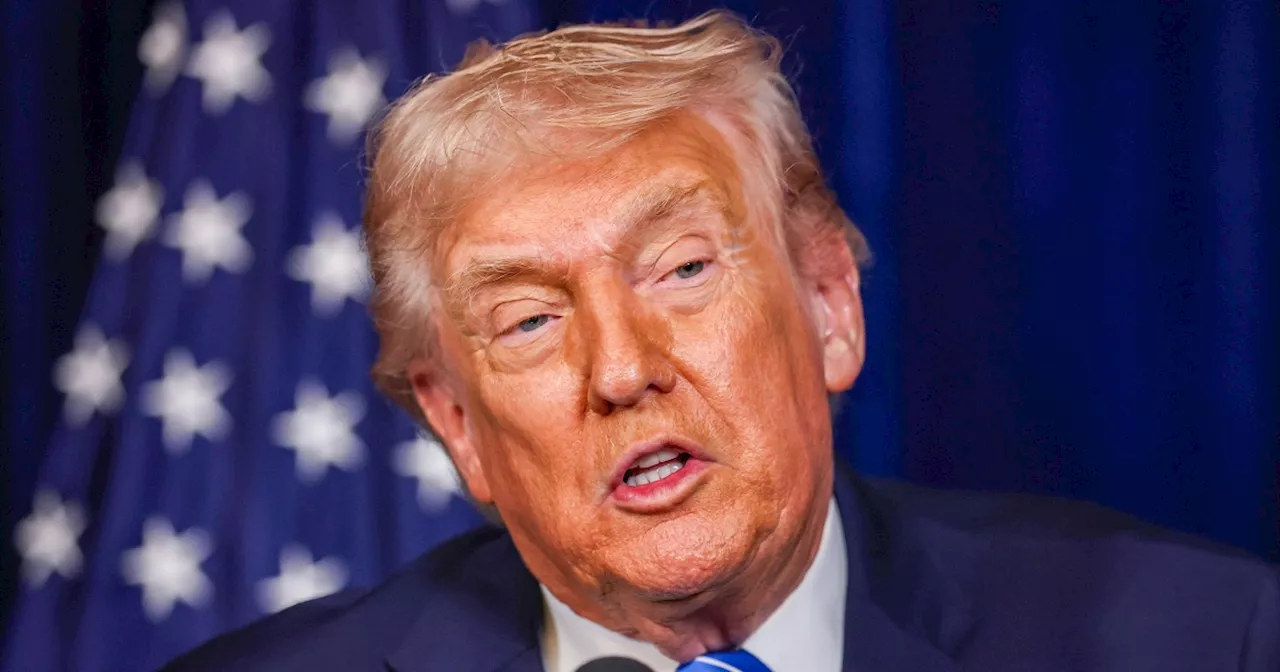
Former President Donald Trump and Israeli Prime Minister Benjamin Netanyahu met at Mar-a-Lago on March 15, 2024, to address significant geopolitical issues, including the ongoing Gaza ceasefire and Iran’s ballistic missile program. This high-profile meeting comes on the heels of Trump’s discussions with Ukrainian President Volodymyr Zelenskyy, where they focused on a potential peace plan for Ukraine amidst the ongoing conflict with Russia.
During the meeting, Trump confirmed that he had a phone call with Russian President Vladimir Putin following his summit with Zelenskyy. He stated that Putin had raised concerns about an alleged Ukrainian drone attack on one of his residences, which Ukraine has vehemently denied, calling the claim “a complete fabrication.” Trump remarked that the attack—if true—would be detrimental to the ongoing peace talks.
Trump characterized the discussions with Zelenskyy as productive, indicating that he offered 15 years of security guarantees for Ukraine, a proposal aimed at stabilizing the region and moving toward a resolution of the conflict. He expressed optimism that a deal to end the war between Ukraine and Russia was “getting a lot closer,” underscoring the collaborative effort to reach an agreement.
As the leaders gathered at Mar-a-Lago, Trump emphasized the need for Hamas to disarm as part of the broader effort to secure peace in the Middle East. He stated, “There has to be a disarmament, you know, that we have to disarm with Hamas,” highlighting the critical nature of this issue in their discussions.
On the subject of Iran, Trump voiced serious concerns about the country’s missile and nuclear enrichment programs. He stated, “Now I hear that Iran is trying to build up again, and if they are, we’re going to have to knock them down.” His remarks indicate a willingness to take a strong stance against Iran if it continues to advance its military capabilities.
The meeting also included discussions between Netanyahu and U.S. officials such as Secretary of State Marco Rubio and Defense Secretary Pete Hegseth. These discussions are part of ongoing U.S. efforts to facilitate the ceasefire in Gaza, which has faced challenges in recent weeks. Although a ceasefire agreement brokered by the U.S. has largely held, recent developments have raised concerns regarding its sustainability.
In another significant update, Trump elaborated on comments made during a radio interview about U.S. military actions against a facility in Venezuela allegedly involved in drug trafficking. He described an attack on a dock area used for loading boats with drugs, asserting that this action was part of the U.S. effort to combat illicit drug shipments. He stated, “We hit all the boats and now we hit the area,” further explaining that this operation was aimed at disrupting drug trafficking networks.
As the geopolitical landscape evolves, Trump’s meetings signal a proactive approach to addressing complex international issues, particularly in the Middle East and Eastern Europe. The discussions at Mar-a-Lago are expected to play a crucial role in shaping future diplomatic efforts between the United States, Israel, Ukraine, and Russia.
With a focus on addressing long-standing conflicts and fostering stability in these regions, the outcomes of these high-level meetings will likely influence international relations in the coming months.