
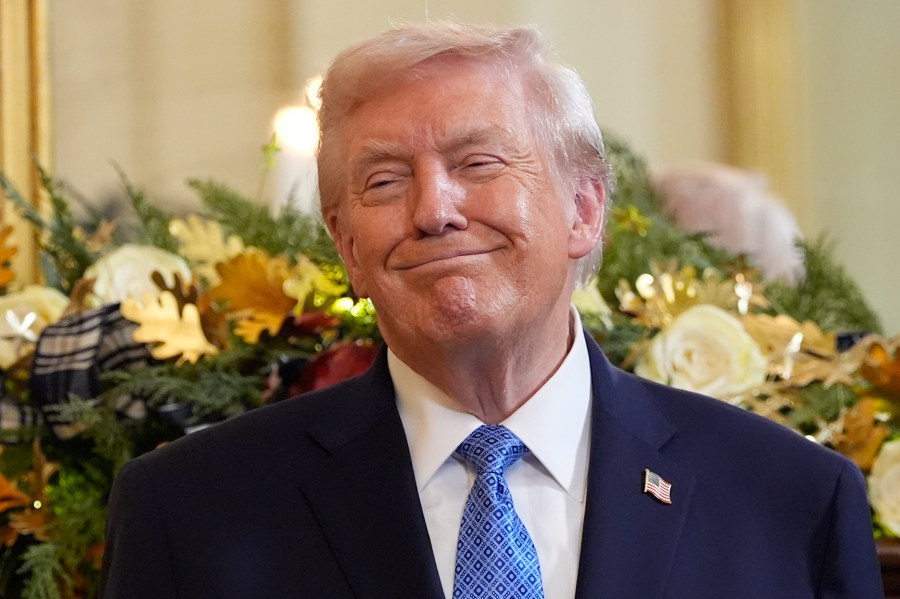
Concerns are mounting over the foreign policy strategies of the Trump administration, with critics arguing that they prioritize national interests at the expense of human rights. A recent analysis suggests that this approach not only undermines the principles of democracy but also fails to enhance the safety and prosperity of the United States.
The administration’s stance has drawn significant scrutiny, particularly in relation to its engagements with international organizations. According to a report by Amnesty International published in 2018, the United States has increasingly distanced itself from global human rights standards. This shift has been characterized by reduced support for various treaties and a lack of accountability for countries with poor human rights records.
Impact on International Relations
The United Nations has expressed concern regarding the implications of the current U.S. foreign policy. In a statement, UN Secretary-General António Guterres emphasized the importance of human rights in fostering global stability. He noted that neglecting these issues could lead to increased tensions and conflicts worldwide.
Additionally, the approach has been perceived as detrimental to America’s image abroad. Allies and adversaries alike are questioning the reliability of the United States as a partner committed to upholding human rights. This perception could have long-term consequences for international relations, particularly in regions where America seeks to exert influence.
Experts warn that prioritizing short-term political gains over fundamental human rights could undermine long-standing alliances. For instance, relations with European nations have become strained, as many leaders criticize the U.S. for its lack of commitment to shared values. This shift is evident in the responses from various nations to U.S. policies, which often emphasize human rights as a core component of diplomatic engagement.
Domestic Implications and Future Prospects
The implications of these foreign policy decisions extend beyond international borders. Within the United States, there is a growing call among policymakers and civil rights advocates to reassess the country’s stance on human rights. A report by the American Civil Liberties Union highlights that neglecting these issues could lead to a deterioration of civil liberties domestically.
As the 2020 elections approach, candidates are increasingly addressing the need for a foreign policy that integrates human rights considerations. Voters are beginning to express their concerns about America’s role in the world, with many demanding a return to leadership that emphasizes human dignity and equality.
In summary, the foreign policy of the Trump administration is facing significant criticism for its handling of human rights issues. As the global landscape continues to evolve, the repercussions of prioritizing national interests over fundamental human rights will likely become more pronounced, affecting both international relations and domestic civil liberties.