
The Trump administration has proposed significant changes to the Environmental Protection Agency’s (EPA) Greenhouse Gas Reporting Program, which has required large industrial facilities to disclose their greenhouse gas emissions since 2010. This proposed change, if implemented, would effectively end mandatory emissions reporting from major polluters, raising concerns about transparency and accountability regarding climate pollution in the United States.
The EPA has collected emissions data since 2011, a resource that has been critical for researchers, policymakers, and the public in understanding the contributions of major polluters to climate change. According to experts, discontinuing this reporting program would hinder communities’ ability to address pollution and hold corporations accountable for their environmental impact.
Michael Ash, a professor of economics and public policy at the University of Massachusetts Amherst and co-director of the Political Economy Research Institute (PERI) Corporate Toxics Information Project, provided insights on the implications of this potential policy change. PERI recently released the 2025 edition of its Greenhouse Gas Emissions Index, which highlights the top U.S. climate polluters based on EPA data.
Top Polluters and Emissions Trends
Ash noted that the list of top greenhouse gas emitters remains largely unchanged, with fossil fuel-burning electricity generation companies leading the way. The top three emitters are Vistra Energy, Southern Company, and Duke Energy, collectively responsible for approximately 235 million metric tons of CO2 equivalent emissions, accounting for nearly 4 percent of total U.S. emissions. Major oil refiners and petrochemical companies, such as Exxon Mobil, also feature prominently in the rankings.
The report highlights a persistent pattern in emissions, with slight fluctuations in company rankings based on operational changes but no significant drops in emissions from the top polluters. This stability suggests that without regulatory pressure, emissions from these corporations are unlikely to decrease significantly.
Impact on Vulnerable Communities
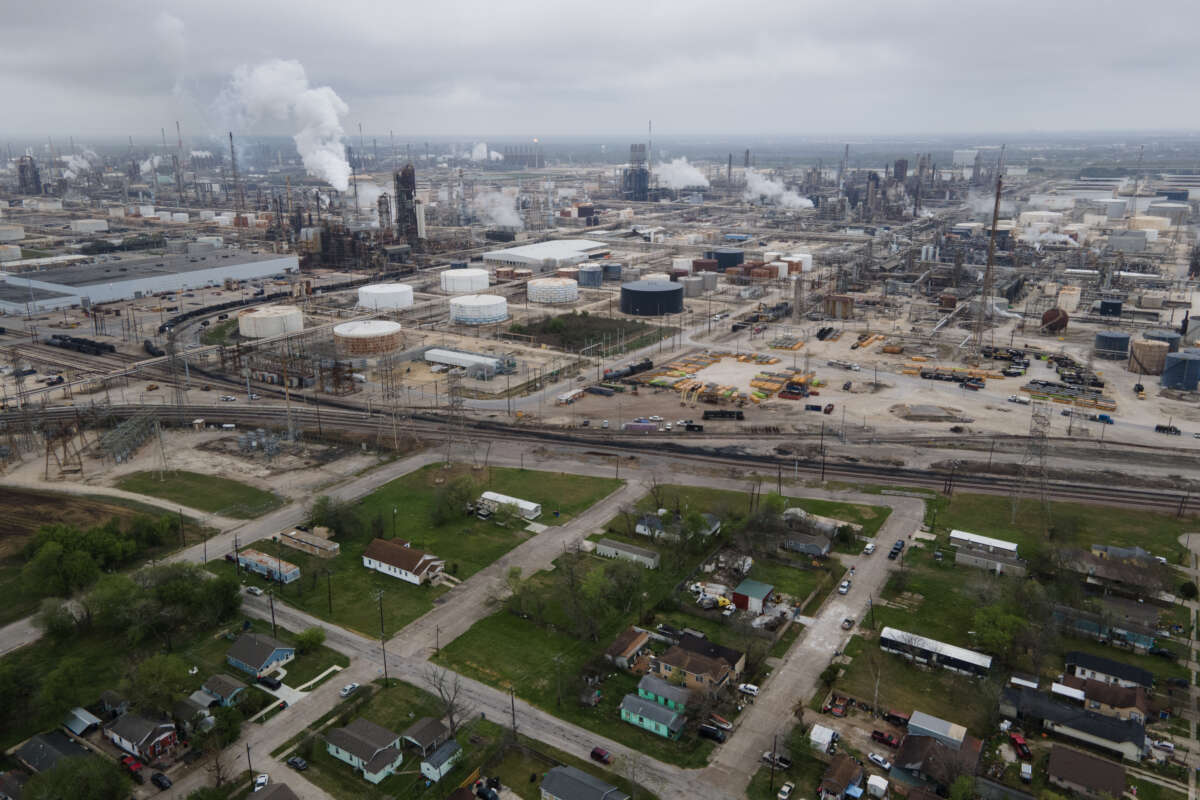
The report also emphasizes the geographical distribution of emissions, particularly in states with substantial fossil fuel operations, such as Texas and Louisiana. In California, significant emissions stem from large refineries owned by companies like Marathon Petroleum and Chevron. Notably, communities of color are disproportionately affected by these emissions; many of the facilities are located near populations where over 70 percent of residents identify as people of color.
Ash pointed out that although greenhouse gas emissions are a global issue, the associated local pollutants—such as sulfur oxides and particulates—have immediate health impacts on surrounding communities. Reducing these emissions can lead to tangible health benefits, including lower rates of asthma and respiratory diseases.
The potential end of the EPA’s Greenhouse Gas Reporting Program raises serious questions about the future of environmental activism and corporate accountability. The program’s data has been invaluable for activists and researchers, providing a uniform basis for understanding pollution levels. If this data becomes unavailable, stakeholders—including investors, local regulators, and community advocates—will struggle to assess corporate practices and push for necessary reforms.
The Trump administration’s stance on climate change has drawn criticism, particularly its rollback of clean energy initiatives and its support for fossil fuel industries. Ash highlighted that the administration’s approach could lead to increased emissions, as the lack of regulatory oversight diminishes incentives for corporations to adopt sustainable practices.
Despite these challenges, some states are exploring legislation aimed at holding corporations accountable for climate impacts. Climate Superfund Bills, modeled after the Superfund program for toxic waste sites, have been introduced in several states to ensure that companies bear the costs of climate-related damages. New York and Vermont have already passed such bills, with similar legislation being considered in other states.
While corporate resistance to these initiatives is expected, they represent a glimmer of hope for accountability in the fight against climate change. The potential for a federal law in the future, depending on political changes, could further incentivize companies to consider their emissions and environmental impact.
In summary, the Trump administration’s proposal to dismantle the EPA’s Greenhouse Gas Reporting Program poses a significant threat to public access to vital environmental data. As the nation grapples with the implications of this policy shift, the role of local and state-level initiatives will be crucial in maintaining momentum for climate justice and accountability.