
The U.S. Department of Justice has issued a comprehensive legal opinion asserting that the Defense Production Act allows President Donald Trump or his Secretary of Energy to approve Sable Offshore’s plans to restart oil production in Santa Barbara County. This move could circumvent state regulatory requirements that have previously delayed the company’s operations.
The 22-page opinion, authored by T. Elliot Gaiser, Assistant Attorney General with the Office of Legal Counsel, addresses complaints from Sable Offshore regarding state agencies’ actions. Sable officials argue that the California State Fire Marshal and other state bodies have obstructed efforts to resume production at the Santa Ynez Unit, which Gaiser called the “largest known offshore oil field in the United States.”
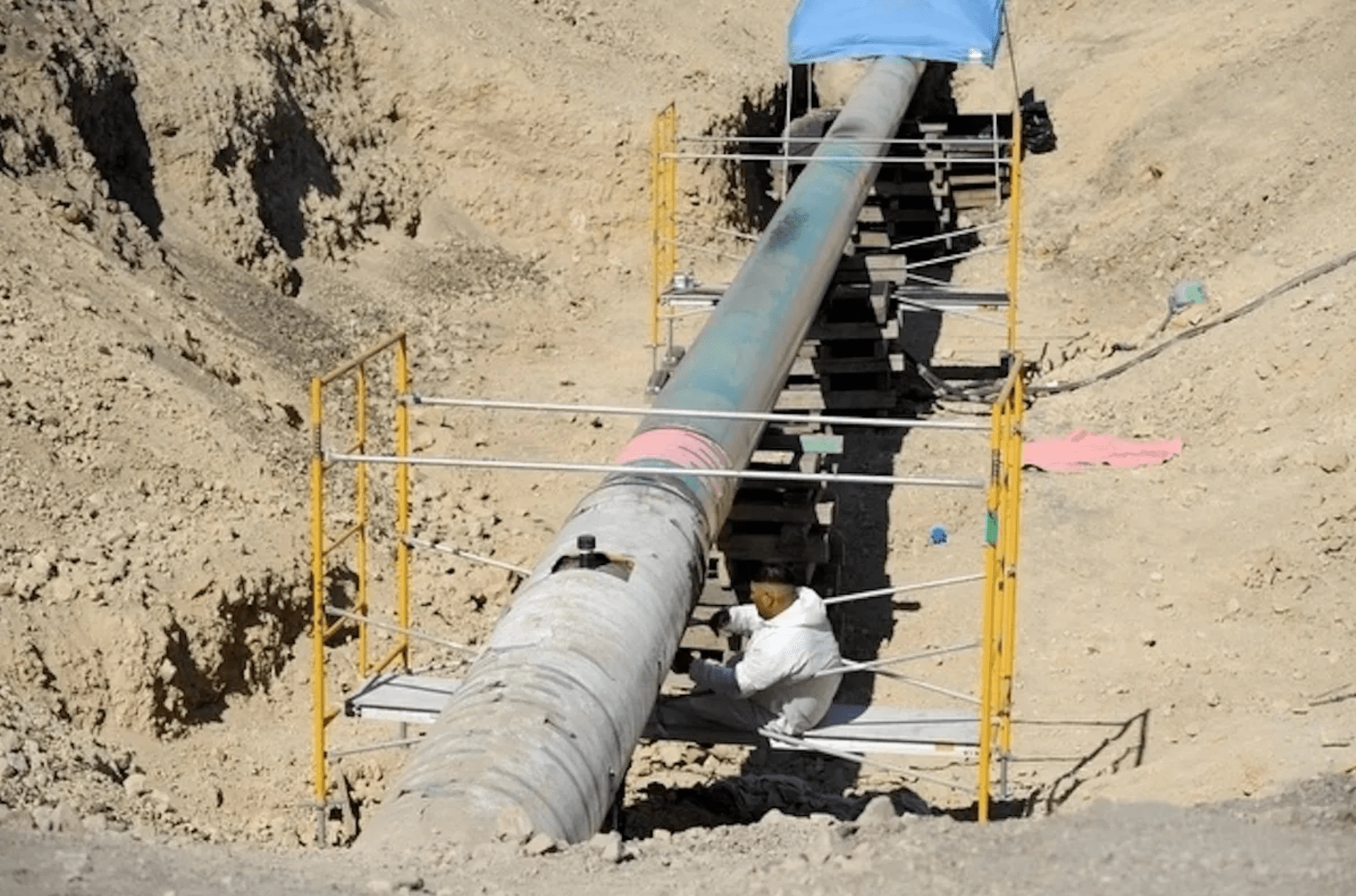
Gaiser acknowledged that he did not independently verify Sable’s claims but stated, “We accept the veracity of the factual statements set forth in Sable’s letter.” The company has criticized the Fire Marshal for unreasonably withholding approvals necessary to restart its pipeline, which experienced a significant leak in 2015, resulting in the release of 142,000 gallons of oil along the Gaviota Coast.
The legal opinion expands the interpretation of the Defense Production Act, suggesting that activation could be undertaken by members of the executive team, including the Secretary of Energy, without the necessity of a declared emergency. Gaiser emphasized that should any state laws conflict with the federal invocation of this act, federal authority would prevail.
While the opinion offers a legal framework for federal preemption, no actions have yet been taken by Trump or his administration to invoke the act on behalf of Sable. Nevertheless, Sable’s stock value saw a notable increase following the opinion’s release.
A week prior, a ruling by Santa Barbara County Superior Court Judge Donna Geck upheld an injunction preventing Sable from resuming production until it secures the necessary permits from state agencies. Sable contends that the Pipeline and Hazardous Materials Safety Administration has preempted the State Fire Marshal’s authority regarding pipeline restart decisions. This assertion has been contested by both the state Attorney General and the Fire Marshal.
Judge Geck indicated that the matter would require resolution by a panel of federal judges later this summer. Until then, she ruled that the Fire Marshal retains the final authority over Sable’s operations. The Fire Marshal’s office is currently reviewing the Department of Justice’s opinion.
Linda Krop, chief counsel for the Environmental Defense Center, expressed concern about the implications of Gaiser’s opinion. “The stakes are huge,” she stated, highlighting how this could allow federal authorities to bypass state environmental protections. Sable requires an easement from the State Parks Department to repair a section of pipeline running through a state park, and additional information has been requested before a decision is made.
The potential for a significant jurisdictional conflict between state and federal authorities over Sable Offshore’s operations is evident. California Attorney General Rob Bonta has been consulted but has not yet issued a statement regarding the situation.
State Assemblymember Gregg Hart, who has advocated for Sable to obtain a coastal development permit from the California Coastal Commission, indicated that Bonta’s office is reviewing the matter. “Nothing happens fast,” he cautioned, adding that he anticipates another state lawsuit to uphold California’s environmental protections.
State Senator Monique Limón voiced opposition to the Department of Justice’s opinion through her spokesperson, stressing that it represents an overreach by the Trump administration. She noted, “This overreach can and will have serious implications throughout the state. Offshore oil drilling has bipartisan opposition because Californians have lived the consequences and impacts when things go wrong. California will continue to fight this overreach in the courtroom.”
As discussions continue, the legal and environmental implications of this opinion will be closely monitored, reflecting a broader tension between state and federal authority in managing natural resources.