
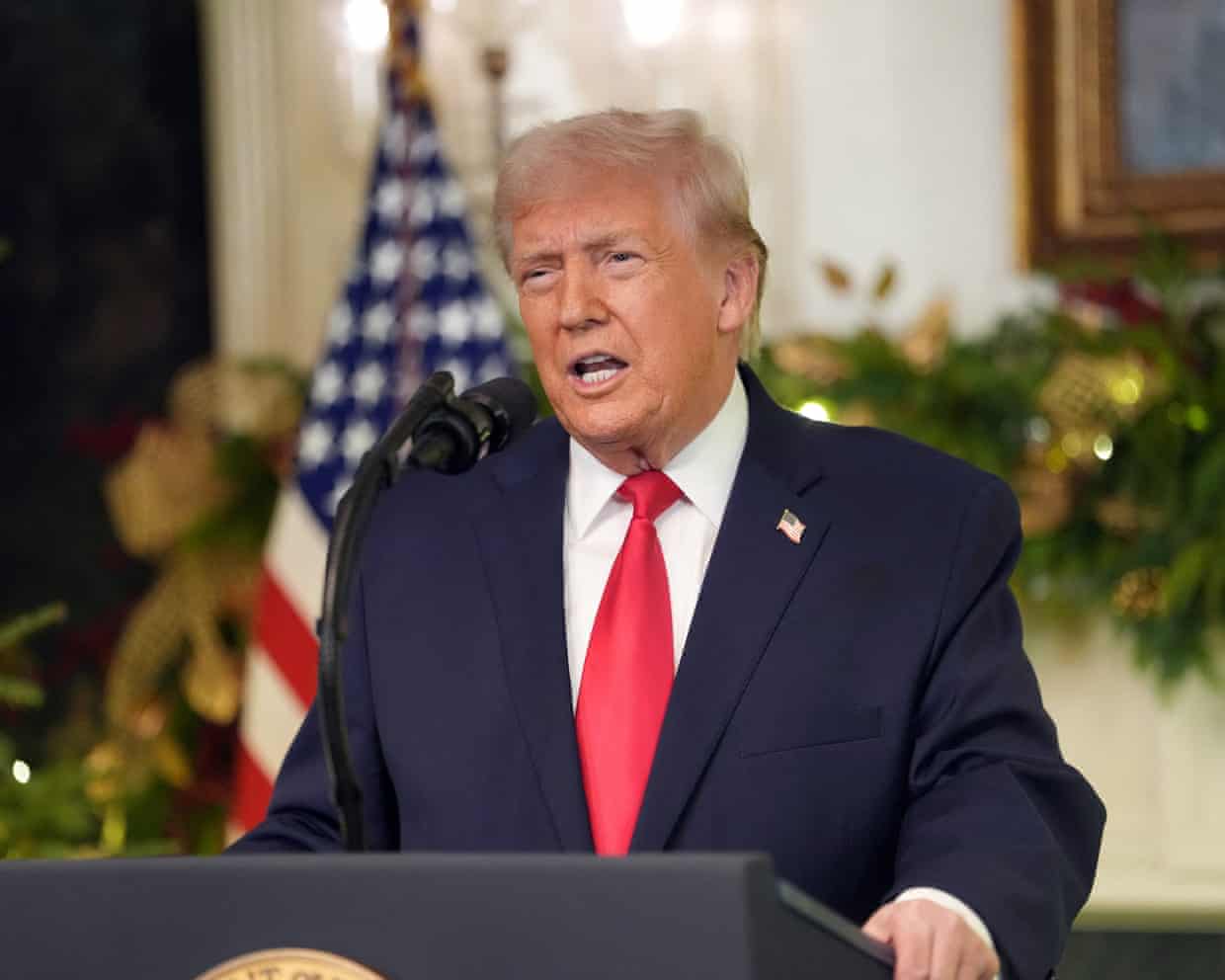
The Trump administration has announced plans to dismantle the National Center for Atmospheric Research (NCAR), a pivotal institution in climate science based in Boulder, Colorado. After over 50 years of contributing to global research and monitoring, this decision reflects an ongoing trend by the administration to undermine climate science and its implications.
The announcement came from Russell Vought, director of the Office of Management and Budget, who described NCAR as “one of the largest sources of climate alarmism in the country.” Critics argue this characterization serves to promote a narrative of ignorance about climate change, aligning with the administration’s focus on fossil fuel dominance as part of its energy policy. This shift is reminiscent of historical instances where scientific dissent was suppressed, drawing parallels to the repression seen during the era of Soviet leader Joseph Stalin.
For context, the term “Lysenkoism” references Stalin’s endorsement of the discredited agricultural theories of Trofim Lysenko, which led to catastrophic agricultural failures. The implications of the Trump administration’s actions are concerning, with experts warning that disregard for established climate science could contribute to serious environmental consequences, including heightened extreme weather events and rising sea levels.
The erosion of federal support for climate research has already had tangible effects. At the recent American Geophysical Union meeting in New Orleans, participation from climate scientists has notably decreased, attributed to job losses and budget cuts for federally funded researchers.
In a related move, a report from the Department of Energy attempted to present a revisionist view of climate science, a document criticized for its alignment with political agendas. Authored by scientists selected for their compatibility with the administration’s views, the report faced a robust rebuttal from over 85 climate scientists, highlighting its numerous inaccuracies. The National Academy of Sciences later affirmed that the evidence for human-caused greenhouse gas emissions causing harm is “beyond scientific dispute.”
Despite these setbacks, the Trump administration appears determined to continue its assault on climate research. The intent to overturn the EPA’s endangerment finding, which mandates regulation of greenhouse gases, underscores this strategy. As the administration prepares for continued pushback against climate science, the potential for detrimental effects on both public health and the environment remains a pressing concern.
Experts such as Michael Mann, a prominent climate scientist, and Bob Ward, policy director at the Grantham Research Institute, have voiced their alarm over the direction of U.S. climate policy. They emphasize the need for robust scientific understanding to address the ongoing climate crisis, advocating for the preservation and support of institutions like NCAR.
The dismantling of such critical research bodies raises fundamental questions about the future of climate science in the United States and its implications for global efforts to combat climate change. As the administration navigates its energy policies and relationships with fossil fuel industries, the path forward for climate researchers and advocates remains uncertain.