
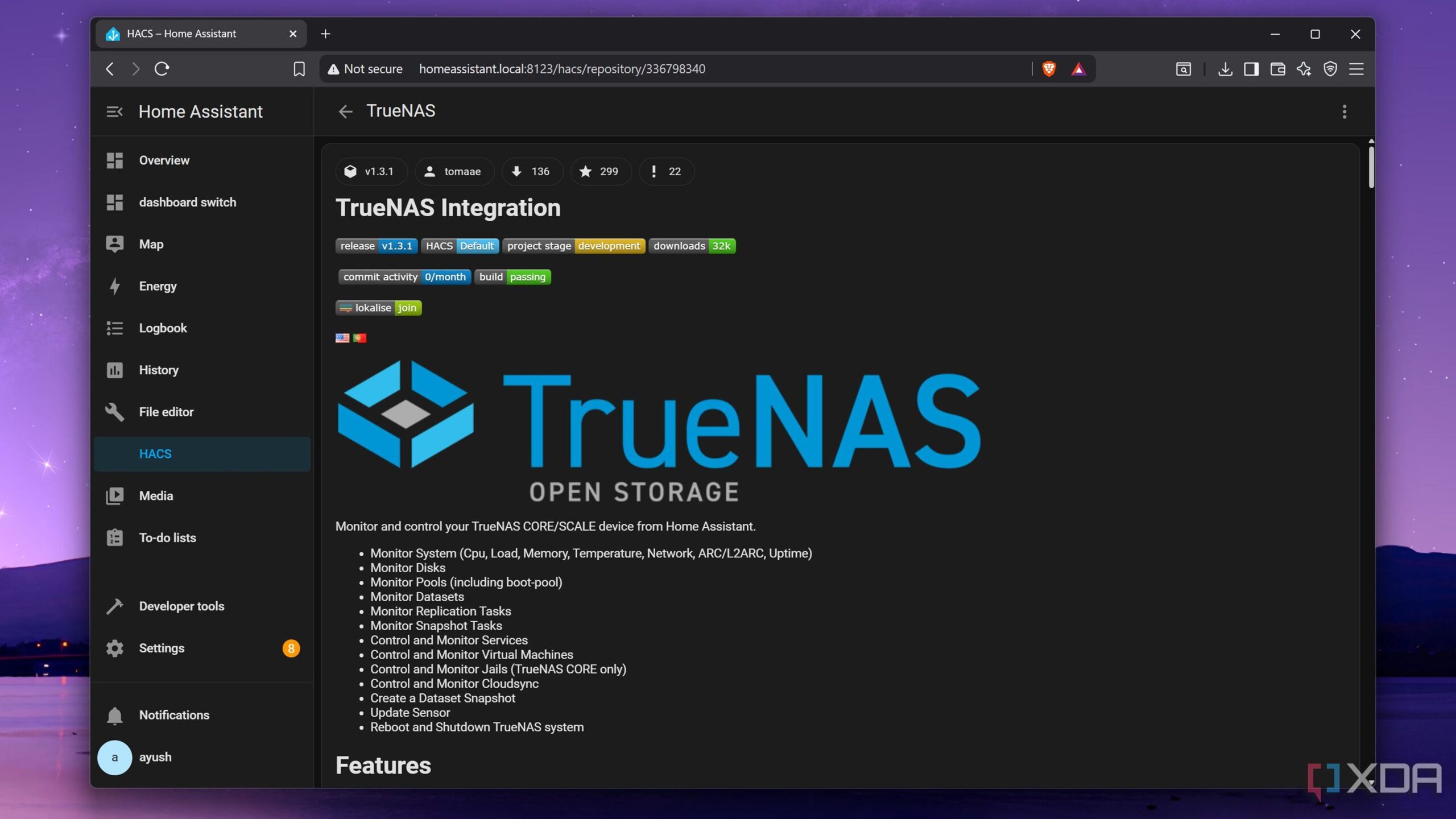
TrueNAS, a longstanding free option for network-attached storage (NAS), is facing a reevaluation in its recommendation status. Once hailed as the go-to solution for home users seeking a reliable server, it now competes with evolving alternatives that cater to modern user needs. While TrueNAS retains its robust features, including the resilient ZFS file system, the landscape for home servers in 2026 has transformed, prompting a reassessment of its default endorsement.
The Core of TrueNAS Remains Strong
At its foundation, TrueNAS continues to be a serious contender for home users seeking dependable storage solutions. The standout feature, ZFS, is designed for data integrity and resilience. When configured correctly, users can enjoy a sense of security, reinforced by capabilities like snapshots and data replication. ZFS actively protects users’ data, making it a reliable choice for those who prioritize data safety.
However, TrueNAS operates under the assumption that users are ready to engage deeply with their storage architecture. This means managing pools, datasets, and permissions rather than relying on an automated system. For those starting with a limited number of drives, TrueNAS may present challenges as it requires a well-thought-out design from the outset. Adjusting configurations later can be cumbersome, even with recent updates that offer more flexibility for RAIDZ expansion.
Adapting to Modern User Needs
The current generation of home users often views their NAS as a multifunctional device. Beyond simple file storage, they expect it to run applications such as Plex and Jellyfin, effectively serving as a self-hosted alternative to cloud services. In this context, TrueNAS SCALE attempts to bridge the gap by introducing an app ecosystem for containerized workloads. Despite these advancements, many users find the app experience secondary to the core storage functionalities, which can feel less intuitive compared to platforms that prioritize application accessibility.
As alternatives to TrueNAS have matured, the competitive landscape has shifted. Previously seen as the clear leader among free NAS options, TrueNAS now faces significant competition. Unraid has refined its approach, offering a strong app ecosystem despite being a paid service. Similarly, OpenMediaVault has become increasingly user-friendly and flexible, especially when paired with Docker. While these alternatives may not match TrueNAS in terms of ZFS-level integrity, they have developed enough features to make the choice for users less straightforward.
The evolution of home NAS requirements necessitates a more nuanced approach to recommendations. Today, potential users are encouraged to consider their specific needs and use cases before committing to TrueNAS or any other platform. While it remains a powerful and free option, it is no longer the automatic recommendation it once was. The increasing availability of diverse and robust alternatives means that users must evaluate their priorities in storage, application support, and ease of use when selecting a NAS solution.