
The debate surrounding healthcare often devolves into political posturing, overshadowing the urgent needs of individuals. In the face of this recurring cycle, organizations like the Legacy Health Endowment (LHE) and the EMC Health Foundation emphasize that healthcare should not be a political battleground but a fundamental human necessity. They advocate for solutions that prioritize practical outcomes over partisan rhetoric.
Addressing the pressing healthcare challenges faced by families in communities such as Turlock and Livingston, these organizations are pioneering a model that treats healthcare as a venture-capital investment. By focusing on high-impact pilot programs, LHE and EMC are not merely providing funding; they are creating sustainable solutions tailored to local needs.
Innovative Approaches to Community Health
One notable initiative is the Person-Centered Care (PCC) program, developed in response to a significant issue identified in local data: middle-income seniors who earn too much to qualify for Medi-Cal but too little to afford private nursing care were falling into a “care gap.” Through collaboration with the City of Turlock and the integration of American Rescue Plan Act (ARPA) funds, this program offers in-home respite, meal support, and transportation services.
In addition, the $2 Rx program has emerged as a vital resource for the uninsured and those with high-deductible insurance plans. This initiative provides over 1,000 generic medications and insulin for just $2, aiming to prevent premature institutionalization. The financial implications are significant; such preventative measures are not only more affordable for taxpayers but also vastly improve the quality of life for families.
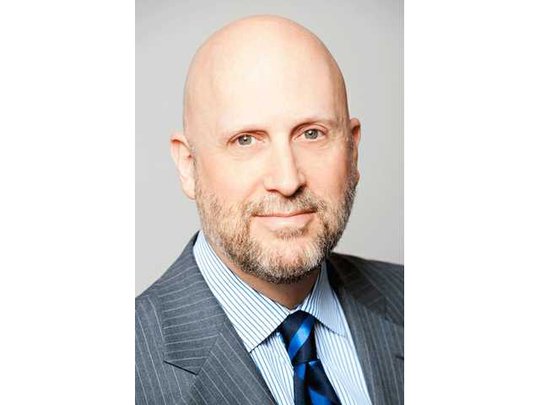
The leadership of Jeffrey Lewis, President and CEO of LHE and EMC, emphasizes that these initiatives are not victories for any political party, but rather essential humanitarian and fiscal successes. “We are builders focused on closing the care gap,” he stated, highlighting the need for a shift in how society views healthcare.
Shifting Perspectives on Healthcare
To address the stagnation in healthcare discussions, Lewis outlines three critical non-political shifts needed in the approach to care:
1. **Public-Private Synergy**: Effective healthcare solutions require collaboration between the government and private sector. Many vulnerable populations are overlooked when efforts are siloed. Foundations must act as catalysts to foster meaningful public-private partnerships.
2. **Data-Driven Compassion**: Success should be measured by outcomes rather than expenditures. For instance, metrics such as increased dental visits for adults or improved quality of life for retirees through hearing aids provide a clearer picture of health improvements than mere financial statistics.
3. **Hyper-Local Focus**: Tailoring resources to specific communities enhances the effectiveness of healthcare initiatives. LHE and EMC concentrate their efforts on nineteen ZIP codes in Stanislaus and Merced counties, ensuring that every invested dollar has a tangible impact on local residents.
Through this independent approach, LHE and EMC maintain flexibility in partnerships, collaborating with diverse entities willing to prioritize patient needs over political affiliations. Lewis asserts the importance of pragmatism in the future of healthcare, stating, “Our neighbors’ lives cannot wait for the next election.”
As healthcare continues to evolve, the need for practical solutions that transcend political divides remains more crucial than ever. By focusing on community stewardship and tangible outcomes, organizations like LHE and EMC exemplify a path forward that prioritizes the well-being of individuals over partisan interests.