
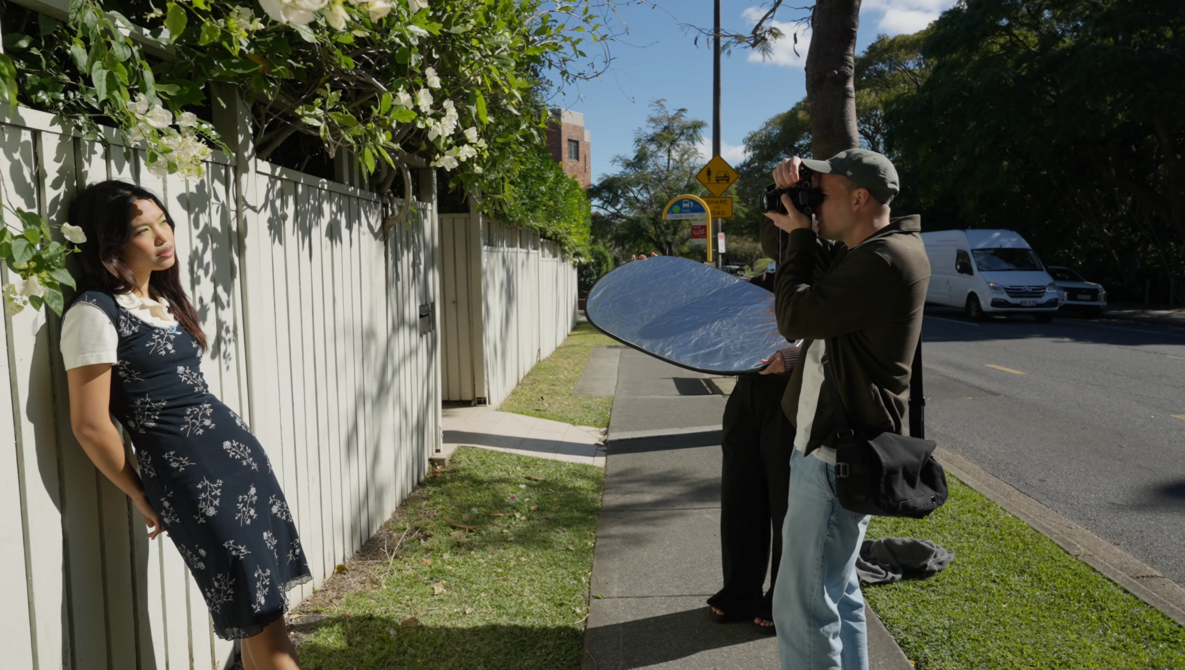
Photographers seeking to elevate their portrait work can benefit from practical adjustments that foster a more lived-in feel in their images. A recent video by photographer Lally outlines seven essential habits that can significantly enhance the quality of portrait photography beyond the common advice of avoiding limb cropping.
Key Techniques for Authentic Portraits
One of the main challenges photographers face is the tendency for shoots to appear overly staged. Lally emphasizes the importance of capturing “in-between” moments, treating them as legitimate shots rather than mere fillers. By keeping a small camera ready and switched on, photographers can seize spontaneous moments when subjects adjust their clothing, glance away, or shift positions. This approach encourages photographers to focus more on the subject’s natural behavior rather than strictly adhering to a predetermined plan.
Another common habit that Lally critiques is the inclination to exhaust every angle of a picturesque location. Instead, he advocates for incorporating engaging activities into the shoot, allowing subjects to interact in ways that feel more authentic. Simple actions, such as walking through a market, kicking a ball, or exploring a park, can lead to more genuine expressions and postures that cannot be easily orchestrated.
Innovative Approaches to Props and Composition
In discussing the use of props, Lally encourages photographers to move beyond conventional choices readily available online. He suggests that while props do not necessarily need a backstory, introducing unexpected objects can yield unique and spontaneous photographs. This shift in perspective invites creativity and exploration in the photographic process.
Furthermore, Lally highlights the significance of composition, noting that the most impactful frames may not always center on the subject’s face. By remaining attentive to the interplay of shapes, fabrics, and colors during the shoot, photographers can capture more dynamic and visually appealing images.
For those who find it challenging to articulate poses, Lally offers a practical planning tip. Instead of relying on a single mood board, he recommends creating multiple boards with specific references, including one dedicated solely to poses. This method allows photographers to present a single image and adjust the subject’s pose without transforming them into a mere replica of the reference.
Another useful technique involves switching the camera to black and white mode while still capturing raw files. This strategy enables photographers to assess contrast without the distraction of color, fostering a greater focus on the composition during the shoot.
Lastly, Lally introduces an innovative approach by suggesting the use of alternative cameras, such as a Polaroid, disposable camera, or even a VHS camera. These tools can alter the texture of the shoot, encouraging a fresh perspective and capturing moments in unique ways.
For photographers looking to refine their craft, the video from Lally offers a wealth of practical advice that can help transform their portrait photography. By embracing spontaneity and exploring new techniques, photographers can create more compelling and authentic images that resonate with viewers.
Alex Cooke, a Cleveland-based photographer, shares insights from Lally and has extensive experience in both photography and meteorology. His passion for the craft extends to teaching music and spending time with his horses and rescue dogs.