
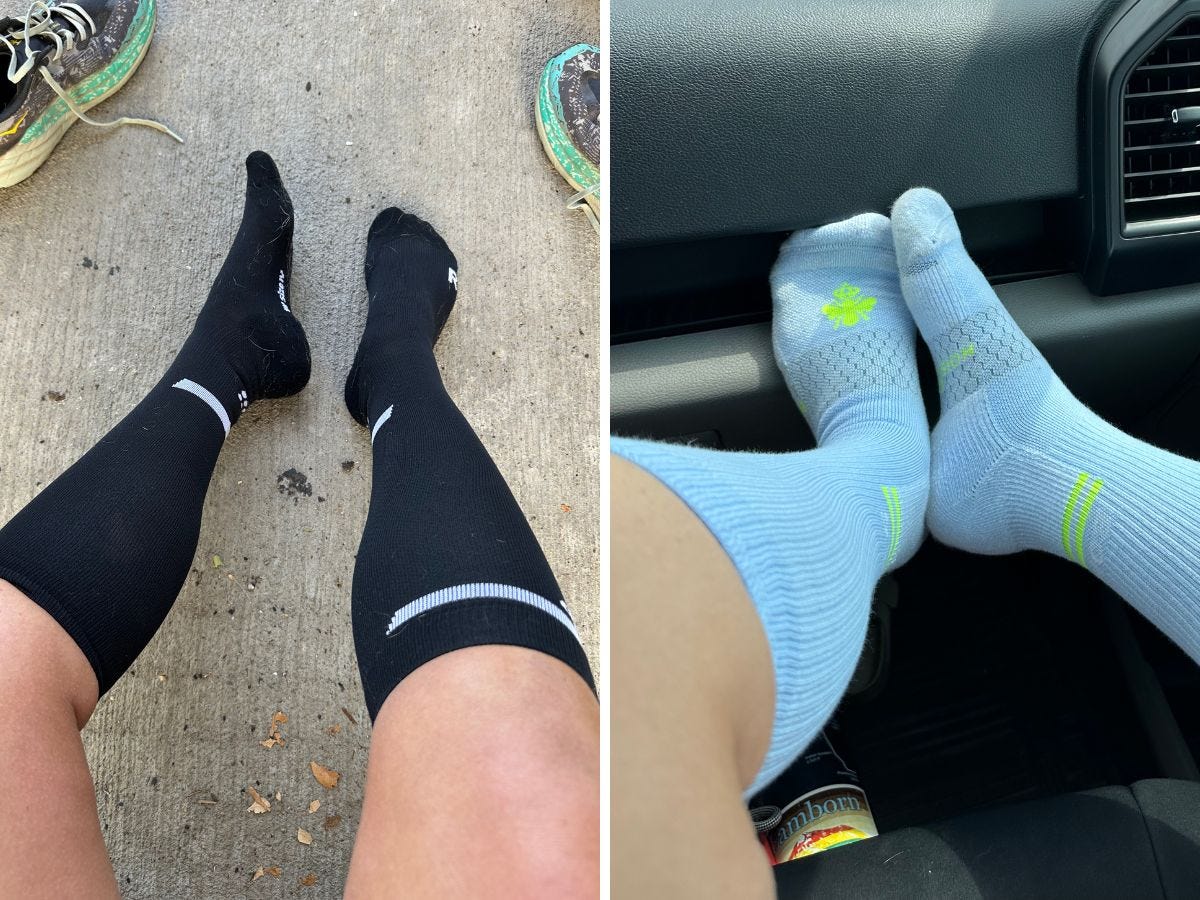
Compression socks have gained attention for their ability to enhance circulation and provide relief for various leg ailments. A recent examination of over a dozen compression sock brands highlighted the effectiveness and comfort of several top choices, particularly for those engaged in running, travel, or jobs that require long hours of standing.
According to Dr. Hugh Pabarue, a double-board-certified physician with Metro Vein Centers in Michigan, compression stockings encourage healthy blood flow in the legs. “Compression socks can help anyone with tired, achy legs, like nurses and service workers, or those with medical conditions that cause swollen legs,” he stated. This is especially pertinent for pregnant individuals, as circulation can be significantly challenged.
In addition, physical therapist Olivia Searle from MovementX in Virginia emphasized that compression socks are beneficial for athletes. They can improve performance during exercise and reduce muscle soreness during recovery. Searle noted that wearing compression socks during prolonged immobility, such as long flights or post-surgery, can also enhance circulation and reduce swelling.
Following extensive testing of compression socks with a compression range of 15-30 mmHg, the following selections emerged as the best options available:
Top Picks for Compression Socks
– **Best Overall**: The **CEP Progressive+ Compression Run Socks 4.0** stand out for their comfort and effectiveness. Designed for both runners and individuals seeking relief from leg discomfort, they offer lasting support and breathability.
– **Best Budget Option**: The **SB Sox Lite Compression Socks** provide a reliable choice without breaking the bank. Despite their lower price point, they maintain a snug fit and durability, offering 15-20 mmHg of graduated compression.
– **Best for Travel**: The **Wellow Aerolite+** socks are designed with a soft, breathable fabric, making them ideal for long journeys. Though they lack graduated compression, their comfort and low-profile appearance make them a travel favorite.
– **Best for Pregnancy**: The **Bombas Performance Compression Socks** feature 20-30 mmHg graduated compression, tailored to support pregnant individuals, particularly during the third trimester.
– **Best for Large Calves**: **Wellow Wide Calf** socks cater to those who struggle with tighter options, offering three sizes to accommodate a broader range of calf sizes.
– **Best for Running**: The **Swiftwick Aspire Twelve** socks are engineered to relieve muscle soreness and prevent shin splints, making them an excellent choice for runners seeking performance enhancement.
– **Best for Post-Workout**: The **Zensah Tech+ Compression Socks** are noted for aiding recovery post-exercise, reducing muscle soreness effectively.
– **Best Thigh-High Sleeve**: The **Zensah Full Leg Compression Sleeve** offers targeted support for quads and hamstrings, though it does not cover the foot.
– **Best Circulation Support**: The **Sockwell Elevation Graduated Compression Socks** are aimed at individuals with chronic health issues impacting circulation.
– **Best for Standing All Day**: The **Sockwell Circulator Graduated Compression Socks** provide comfort and support for those on their feet throughout the day.
– **Best Patterned Option**: The **Vim & Vigr Graduated Compression Socks** are stylish while still delivering effective compression, making them a fashionable choice for both men and women.
Understanding Compression Socks
Compression socks work by applying pressure to the legs, facilitating blood flow and minimizing the risk of swelling. This is particularly beneficial for individuals who sit or stand for extended periods. The recommended compression level for effective circulation ranges from 20-30 mmHg, according to Dr. Pabarue.
For athletes, the merits of wearing compression socks during workouts are still being evaluated, but some studies indicate that they may enhance performance and recovery. The Open Access Journal of Sports Medicine discussed findings suggesting that compression garments can improve endurance and reduce perceived muscle soreness.
Individuals with specific health concerns, such as chronic venous insufficiency or those recovering from surgery, should consult with a healthcare provider to determine the best compression options for their needs. While compression socks offer numerous benefits, they may not be suitable for everyone, particularly those with peripheral arterial disease (PAD).
In conclusion, the right compression socks can significantly enhance comfort and circulation for various individuals, from athletes to those with specific medical needs. Investing in quality compression socks is a practical choice for anyone looking to improve their leg health.